
Plants
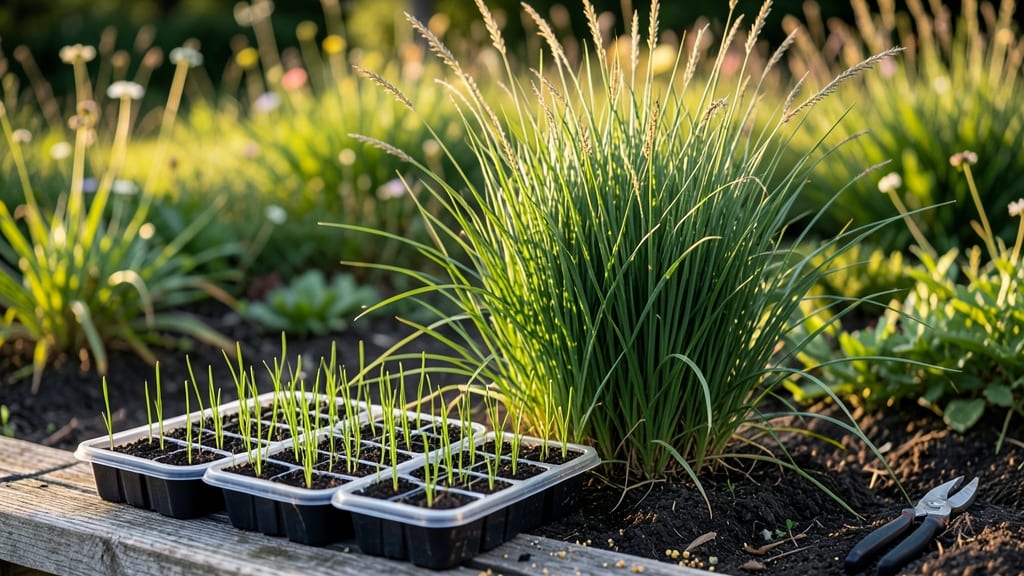
Planting fescue grass in Georgia between late summer and early fall ensures deep roots before winter 🌱 — timing that makes all the difference in a lawn that thrives.
Georgia’s humid subtropical climate demands precision when planting fescue grass—plant too early or late, and your lawn’s deep root system may struggle to establish, leaving it vulnerable to heat stress or winter dieback.
The 4-6 week window before the first frost is critical, but regional microclimates in zones 7a-9a mean Piedmont’s schedule differs from the Coastal Plain’s.
Why does this matter? Fescue’s resilience comes from its ability to develop strong roots in cooler soil, which happens naturally when planted in August or September. Miss that window, and you risk shallow roots that can’t handle Georgia’s summer heat or winter chill.
Here’s what you’ll learn: the exact planting months for your zone, how to prep soil for optimal moisture retention, and how to adjust for late summer heat or early fall rains—so your fescue takes hold without guesswork.
Best planting months for fescue grass in Georgia’s climate zones
Georgia’s USDA zones 7a-9a create a unique challenge for fescue grass growers—too early, and summer heat zaps seedling energy; too late, and winter dormancy stunts root growth. The ideal window hinges on soil temperatures between 60-75°F and avoiding Georgia’s brutal 90°F+ afternoons that bake seeds into dormancy.
For most of Georgia, late August through mid-October offers the perfect balance—cooling temperatures, increased rainfall, and 6-8 weeks before first frost (typically November 15 in Zone 8b, October 31 in Zone 9a). This timing lets fescue establish 3-4 inches of roots before winter slows growth.
Here’s how Georgia’s three distinct regions (Coastal Plain, Piedmont, Mountains) shift these windows slightly—plus the one critical exception that could ruin your lawn if ignored.
Georgia Fescue Planting Timeline by Region
| Region | Primary Window | Secondary Window | Soil Temp Threshold | Key Risk |
|---|---|---|---|---|
| Coastal Plain (Zone 8b) | Late Aug - Early Oct | Mid-Sept - Late Oct | 65-72°F | Hurricane delays, fungal pressure |
| Piedmont (Zone 7b-8a) | Early Sept - Mid-Oct | Late Aug - Early Sept | 60-68°F | Late summer heat stress |
| Mountains (Zone 6b-7a) | Mid-Sept - Late Oct | Early Sept - Mid-Sept | 58-65°F | Early frost risk |
*Primary window = optimal success; Secondary = possible but riskier
Notice how the Coastal Plain pushes planting 2 weeks earlier than the Mountains? That’s because humidity extends the growing season—but it also brings fungal threats like brown patch disease. In Zone 9a areas (e.g., Savannah, Brunswick), aim for September 1-October 15 to avoid 95°F+ soil temps that fry seeds.
For late summer planting (June-July), only attempt this in northern Georgia (Zone 7a) where cooler mountain air lingers. Use shade cloth (30-50%) and daily watering to protect seedlings from intense afternoon sun. This method works for tall fescue blends but struggles with fine fescue varieties.
The one exception you cannot ignore: spring planting. Fescue planted in March-April faces three major risks—crabgrass competition, heat stress, and shallow root systems that fail when summer drought hits. If you must plant in spring, use pre-emergent herbicides in February and overseed in September.
Pro tip: Test your soil’s moisture retention before planting. Georgia’s clay-heavy soils (common in Piedmont) need compost amendment to prevent waterlogging, while sandy soils (Coastal Plain) require hydromulch to retain moisture. Both extremes can double your failure rate if ignored.
Remember: Fescue’s deep root system (up to 12 inches) is its superpower—but it needs 60 days of ideal conditions to develop. Plant outside these windows, and you’ll end up with thin, weak grass that browns by June when summer heat returns.
For Zone 8b/9a gardeners, mark your calendar for September 15—this is the sweet spot where soil temps drop to 70°F, rainfall increases, and daylength shortens, triggering fescue’s natural growth cycle. Miss this window, and you’ll be fighting two seasons instead of one.
How Georgia’s soil temperature and rainfall affect fescue establishment
Fescue grass thrives when planted in Georgia’s 60–75°F soil temperatures, creating ideal conditions for deep root development. Outside this range, seeds may struggle to germinate or establish properly, leaving your lawn vulnerable to heat stress or winter dieback.
Coastal areas like Savannah experience more humidity, while inland regions like Athens face drought risks—both require adjustments to planting schedules.
Georgia’s humid subtropical climate means rainfall varies dramatically by region. Coastal zones receive 50–60 inches annually, while northern areas like Dalton average 45–55 inches. Too much moisture can cause fungal issues, while drought-prone summers (June–August) demand supplemental irrigation to keep soil consistently moist during establishment.
Soil temperature is the most critical factor. Use a soil thermometer to check depths of 2–4 inches—ideal planting occurs when temps stabilize between 60–75°F. In Georgia, this typically aligns with late August through early October, but coastal areas may extend into November due to milder winters.
| Factor | Optimal Range | Georgia Adjustments |
|---|---|---|
| Soil Temperature | 60–75°F | Coastal: Extend to 65°F; Inland: Plant by 70°F |
| Rainfall | 1–1.5 inches/week | Coastal: Reduce irrigation; Inland: Add drip lines |
| Humidity | 40–60% | Coastal: Use shade cloth; Inland: Aerate soil |
| Planting Window | Late Aug–Oct | Coastal: Nov possible; Mountains: Start by Sept |
Georgia’s drought-prone summers (June–August) can dry out soil quickly, so supplemental watering is essential. Aim for 1 inch of water weekly, applied deeply in the morning to reduce evaporation. In humid coastal zones, reduce irrigation to prevent fungal diseases like brown patch, which thrives in wet conditions.
Adjust your planting schedule based on microclimates. Coastal areas like Brunswick benefit from later plantings (October–November) due to milder winters, while inland regions like Rome should plant by mid-September to avoid summer heat stress. Always test soil moisture—if the top 2 inches feel dry, water immediately after planting.
For best results, combine soil temperature checks with rainfall forecasts. Use a weather app with soil moisture alerts to time plantings. In drought years, prioritize shade-tolerant fescue blends to reduce water needs during establishment.