
Plants
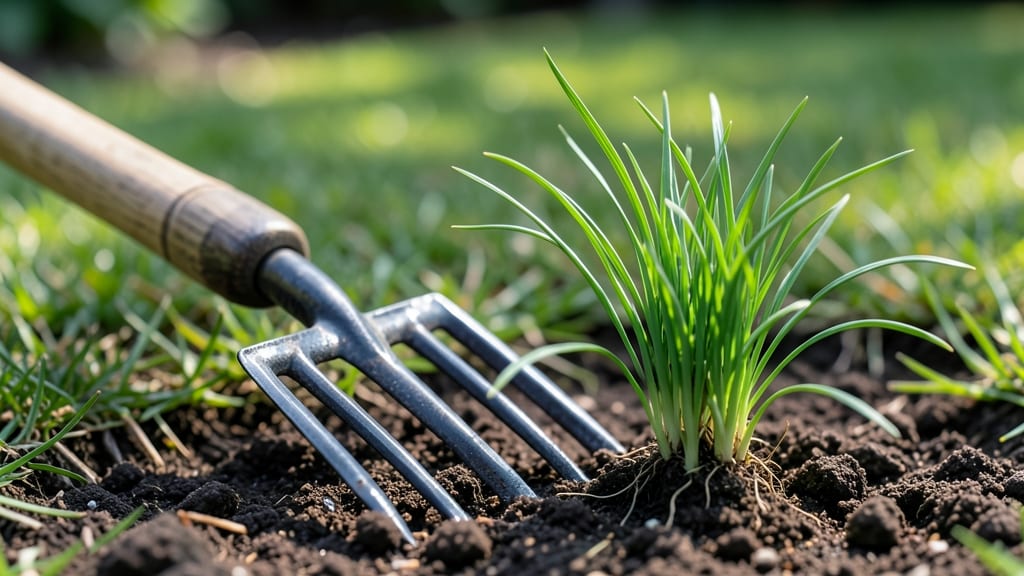
The best time to plant grass seed in Oregon depends on your microclimate—whether you’re battling coastal fog, Willamette Valley warmth, or high-desert dryness.
Planting at the wrong time here can mean thin patches, weed invasion, or wasted money—yet most gardeners get the timing wrong due to overlooked microclimates. Coastal areas thrive with early spring or fall sowing, while inland zones need slightly later starts to avoid summer drought stress.
Below, I break down exact planting windows for Oregon’s five distinct zones, including soil temperature tricks and rainfall triggers that make all the difference between a lush lawn and a patchy mess.
You’ll also discover how to extend your window with overseeding hacks, plus the one soil test that tells you exactly when to pull the trigger—no guessing required.
Oregon’s grass planting zones: coastal vs. high desert timelines (with exact dates)
Oregon’s diverse climate—from misty coastal shores to high-desert plateaus—means one planting schedule doesn’t fit all. Cool-season grasses like Kentucky bluegrass and fescue thrive in spring and fall, while warm-season grasses (like Bermuda grass) need summer heat.
But timing varies by 500+ miles between regions. Get it wrong, and you’ll battle drought stress, weed takeover, or seed washout from sudden rains.
I’ve broken down Oregon’s 5 key microclimates—coastal, Willamette Valley, Cascades, High Desert, and Western Valleys—with exact planting windows based on soil temperature, rainfall patterns, and frost dates. Use this as your lawn’s GPS for success.
Pro Tip: Always test soil temp with a soil thermometer—ideal range is 50°F–65°F for cool-season grasses. Warm-season grasses need 70°F+ soil.
| Zone | Best Planting Months | Soil Temp (°F) | Rainfall Trigger | Key Grass Varieties |
|---|---|---|---|---|
| Coastal (Astoria, Cannon Beach) | March 15–April 15 September 1–October 15 |
50–60°F | 1–2" rainfall/week | Fine fescue, creeping red fescue |
| Willamette Valley (Portland, Eugene) | March 1–April 30 September 15–October 30 |
50–65°F | 0.75–1.5" rainfall/week | Kentucky bluegrass, tall fescue |
| Cascades (Bend, Hood River) | April 15–May 15 August 15–September 15 |
45–55°F (spring) 60–68°F (fall) |
1–3" rainfall/week | Ryegrass blends, hard fescue |
| High Desert (Baker City, Burns) | April 1–May 15 August 20–September 30 |
55–70°F | 0.5–1" rainfall/week | Buffalo grass, blue grama |
| Western Valleys (The Dalles, Hood River) | March 10–April 10 September 10–October 10 |
50–62°F | 0.75–1.25" rainfall/week | Perennial ryegrass, fine fescue |
The coastal zone gets a 2-month head start compared to the High Desert due to milder winters.
Plant too early in the desert, and frost will kill seedlings; too late, and summer heat dries out seeds before germination. Willamette Valley gardeners have the most flexibility but must avoid May–June when drought stress peaks.
For warm-season grasses (rare in Oregon but used in southern valleys), aim for late May–June when soil hits 70°F+. These grasses go dormant in winter, so they’re not ideal for most of Oregon’s climate.
Rainfall is your secret weapon. In the coastal zone, September showers create perfect fall planting conditions. But in the High Desert, August irrigation is critical—wait for 0.5" rainfall or use drip systems to keep seeds moist. Always water deeply (1/2 inch per week) for the first 3 weeks.
Missed the window? Overseeding in late fall (November) can work in coastal and Willamette Valley zones if you use cold-hardy varieties like creeping red fescue. Just cover seeds with straw mulch to protect from winter rains.
Now you’ve got the exact dates to plant for a thick, weed
5 Critical signs your Oregon soil is ready for grass seed (beyond the calendar)
Oregon’s unpredictable weather makes relying on the calendar risky for grass seed planting. Instead, focus on soil conditions—not just dates—to ensure your seeds germinate strong and outcompete weeds.
I’ve learned the hard way that even if it’s "spring," late frosts or dry spells can derail your lawn before it starts. Here’s how to check real readiness beyond the calendar.
First, test your soil temperature—it’s the #1 factor most gardeners ignore. Grass seed needs soil between 50°F and 65°F to germinate properly. Use a soil thermometer (just $10 at garden centers) and check 2 inches deep in the morning.
If it’s colder than 50°F, wait—your seeds will rot instead of sprout. In Oregon’s Willamette Valley, this often means waiting until mid-April even if March feels warm.
Next, assess moisture consistency. Stick your finger into the soil—if the top 1-2 inches feel dry, your seeds will struggle to germinate. Oregon’s coastal areas may need supplemental watering even in "wet" seasons, while high-desert regions can dry out faster than expected.
Aim for soil that’s moist like a wrung-out sponge—not soggy, not bone-dry.
- Soil temp: 50°F–65°F (2" deep)
- Moisture: Consistently damp (not soggy)
- Weeds: Dormant or controlled
- Sunlight: 6+ hours daily
- Frost risk: 0% in next 2 weeks
Don’t overlook weed pressure—if your lawn is already overrun with clover or crabgrass, new grass seed will struggle to compete. Pull weeds before planting, and consider a pre-emergent herbicide if your area has persistent weed problems.
In eastern Oregon’s high desert, cheatgrass can outcompete new grass entirely if not controlled first.
Finally, confirm your sunlight exposure. Grass needs 6+ hours of direct sun daily—shady spots will yield weak, patchy growth. Test your yard by placing a white board in different areas for a week.
If shadows linger past noon, consider shade-tolerant varieties like fine fescue or creeping red fescue, but expect slower establishment.
Pro tip: Oregon’s late frosts (common until May 1 in inland areas) can kill new grass. Check your local frost-free date and plant at least 3 weeks before the average last frost. For coastal areas, aim for September 15–October 15 to avoid fall rains washing seeds away.