
Planting
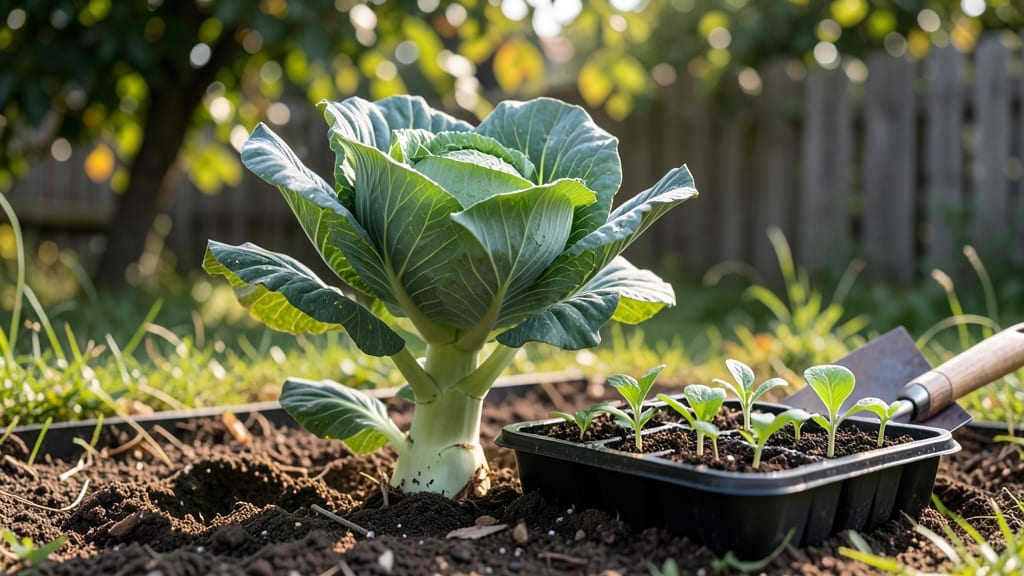
To plant a vegetable garden in Ontario at the right time means timing your seeds and seedlings with the last spring frost—because getting it wrong can turn your 🥬 dreams into a sad, wilted pile of regret.
Ontario’s frost dates are famously finicky, swinging from early May in London to mid-May in Toronto, and those extra days can make the difference between a thriving tomato plant and one that freezes before it even thinks about flowering.
Even experienced gardeners get tripped up by microclimates—like the urban heat islands that trick you into planting too early, or the chilly pockets that keep soil cold long after the calendar says spring.
You don’t need a PhD in meteorology to nail this. The key is knowing your zone (5a–6b), tracking soil temperature (peas need 50°F, beans 60°F), and using the 10-day rule for warm-season crops like tomatoes and peppers.
Miss these deadlines, and you’ll either be waiting all summer for a harvest or watching your plants bolt before they’re ready.
Below, I’ll break down the exact planting windows for Ontario’s most popular vegetables—spring and fall—plus how to adjust for those sneaky microclimates, erratic weather, and the one trick that buys you an extra 2 weeks of growing time when frost sneaks back.
Ontario’s planting zones & frost dates: exact timelines for cold-hardy vs. warm-season vegetables
Ontario’s planting zones range from Zone 4a in northern regions like Sudbury to Zone 6b in the Niagara Peninsula, creating dramatic differences in frost dates.
Understanding these zones is critical because planting tomatoes or peppers too early in Zone 4b (Ottawa) can mean frost damage, while waiting too long in Zone 5a (Niagara) shortens the growing season. The key is balancing last frost dates with your crop’s heat requirements.
For cold-hardy vegetables like spinach, peas, and kale, you can often start seeds 4-6 weeks before your last frost date. These resilient crops tolerate light frosts and can even thrive in cooler temperatures.
Meanwhile, warm-season vegetables such as tomatoes, peppers, and cucumbers need to wait until 10-14 days after the last frost, ensuring soil temperatures stay above 55°F (13°C).
Here’s how Ontario’s zones break down by region and their average last frost dates—use these as your baseline, but always check local 10-day forecasts before planting:
| Zone | Region | Last Frost (Avg) | Cold-Hardy Crops (Direct Sow) | Warm-Season Crops (After Frost) |
|---|---|---|---|---|
| 4a | Sudbury, Timmins | May 20 | Spinach, Peas, Kale (Apr 15) | Tomatoes, Peppers (Jun 10) |
| 4b | Ottawa, Peterborough | May 10 | Lettuce, Radishes (Apr 1) | Tomatoes, Cucumbers (May 25) |
| 5a | Toronto, London | May 5 | Carrots, Beets (Mar 20) | Peppers, Eggplant (May 15) |
| 5b | Hamilton, Guelph | April 25 | Broccoli, Cabbage (Mar 1) | Tomatoes, Basil (May 5) |
| 6a/6b | Niagara, Windsor | April 15 | Onions, Leeks (Feb 15) | Peppers, Okra (Apr 25) |
If you’re planting warm-season crops, follow the 10-day rule: Wait 10-14 days after the last frost date to ensure no surprise late frosts zap your seedlings.
For example, in Zone 5a (Toronto), even if frost-free by May 5, hold off on planting tomatoes until May 15-20 to be safe. Meanwhile, cold-hardy crops like spinach or peas can often go in 4-6 weeks before your last frost—sometimes as early as late March in southern Ontario.
For fall planting, aim to sow cool-season crops like kale, spinach, and radishes 8-10 weeks before your first frost (typically mid-October in most zones). This gives them time to mature before cold weather sets in.
In Zone 6b (Niagara), you might even squeeze in a second planting of bush beans or lettuce as late as July 1
How to adjust planting dates for Ontario’s unpredictable weather: using soil temperature & moon phases
Ontario’s spring weather can swing from sub-zero frost to 70°F heatwaves in weeks, leaving gardeners scrambling to adjust planting timelines. While frost dates offer a starting point, soil temperature and lunar cycles hold the real keys to success.
For example, peas thrive at 50°F soil but may rot if planted in cold, damp ground—even if frost is past. Meanwhile, the waxing gibbous moon boosts root growth, making it the ideal phase for transplanting seedlings.
Don’t rely solely on calendar dates. The Ontario Ministry of Agriculture recommends testing soil temperature with a soil thermometer (insert 2 inches deep) before planting warm-season crops like beans or cucumbers. Aim for 60°F or warmer—any cooler, and seeds may fail to germinate.
For cool-season crops such as kale or radishes, soil can be as low as 40°F, but they’ll grow slower in chilly conditions. Pair this with moon phase tracking to fine-tune your schedule.
- 🌡️ Soil warmth: 50°F+ for peas, 60°F+ for beans—test with a thermometer 2" deep.
- 🌙 Moon phase: Plant root crops (carrots, beets) during waxing moon; leafy greens (spinach, lettuce) during waning moon.
- 🌱 Sprout test: Bury seeds in a paper towel overnight—if they sprout, soil’s ready for planting.
Extend your growing season with row covers or cold frames to shield young plants from late frosts. For instance, a floating row cover can raise soil temps by 3–8°F, allowing you to plant spinach or peas 2–3 weeks earlier in Zone 5.
Pair this with succession planting: Sow lettuce every 2 weeks from May to July for continuous harvests. Even in unpredictable years, these strategies help you outsmart Ontario’s weather and avoid wasted seeds or stunted growth.
Moon phases aren’t just folklore—they influence germination rates and plant vigor. For example, seeds planted during the waxing gibbous phase (just before full moon) often germinate 20% faster than those planted during the waning crescent. Track phases using a lunar calendar or app like Farmers’ Almanac.
Pair this with soil prep: Loosen soil to 6 inches deep and mix in compost 1–2 weeks before planting to improve warmth retention and drainage.
If frost threatens after planting, act fast. Use black plastic mulch to warm soil by 5–10°F or cloche tunnels to protect seedlings. For late-season crops like kale or Brussels sprouts, plant in August for fall harvests—these thrive in cooler weather.
Always monitor 7-day forecasts and adjust timelines accordingly. With these tweaks, you’ll turn Ontario’s weather quirks into advantages and enjoy a bountiful harvest.
Pro tip: Keep a planting journal to track what works in your microclimate. Note soil temps, moon phases, and harvest dates each year. Over time, you’ll refine your schedule to match your garden’s unique conditions—whether you’re in Toronto’s urban heat island or a rural Zone 4b area.
Happy gardening! 🌱