
Planting
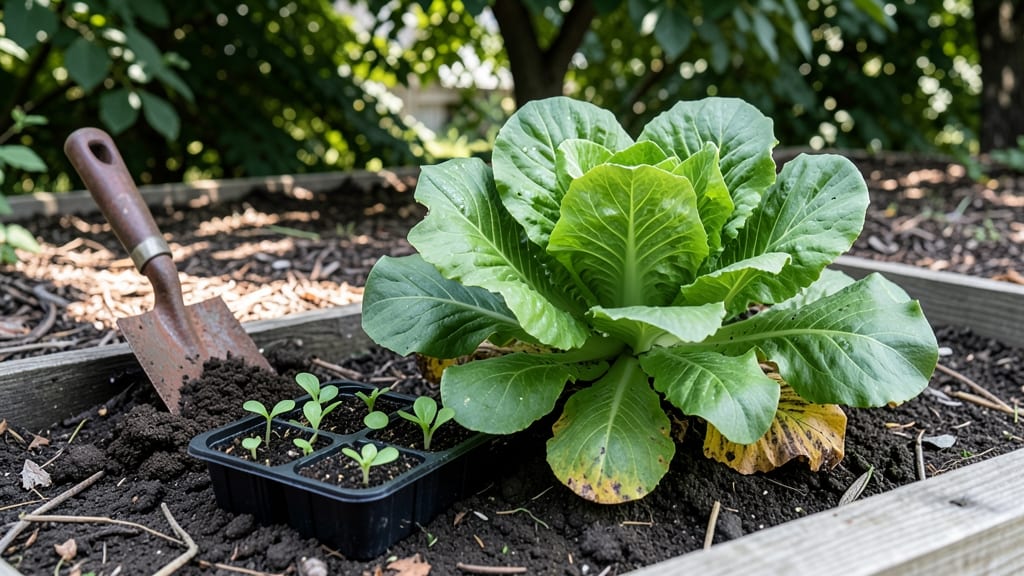
Planting a vegetable garden in Seattle means timing your seeds and transplants to outsmart the city’s wet springs and unpredictable frosts—starting cool-season crops like lettuce in early February and warm-season tomatoes no earlier than late May.
Seattle’s microclimates throw a wrench into the plan: coastal areas like West Seattle can stay chilly weeks after the Eastside’s first warm days. Get this wrong, and you’ll watch your $20 tomato starts wilt in a late frost or your spinach bolt into flower before you’ve harvested a single leaf.
This guide cuts through the guesswork with month-by-month deadlines, soil prep hacks for Seattle’s clay-heavy dirt, and when to break out the row covers to buy extra weeks of growing. Whether you’re a first-time gardener or a veteran with raised beds, these deadlines keep your harvests coming—rain or shine.
You’ll learn which crops to start indoors by January, how to spot false springs, and why planting garlic in October is non-negotiable. Let’s get those seeds in the ground the right way.
Seattle’s planting zones explained: when to start seeds vs. transplants by microclimate
Seattle’s USDA Zones 7b-8a create a unique gardening puzzle—where coastal areas like Bainbridge Island can experience 5-10°F colder nights than the Eastside’s dry heat sinks. These microclimates shift planting windows by 2-4 weeks, making the difference between thriving tomatoes and frost-nipped seedlings.
I’ve gardened in both zones and learned the hard way: timing isn’t just about averages—it’s about local frost pockets and soil warming trends.
The average last frost date hovers around April 15-30 for most of Seattle, but Puget Sound’s marine influence can delay warming by 2 weeks in sheltered valleys. Meanwhile, areas like Kenmore or Redmond often see 10-14 days earlier soil readiness.
For transplants like tomatoes, this means waiting until May 15 on the coast vs. May 1 inland—a critical distinction for heat-loving crops.
Here’s the core rule I follow: start cool-season crops (lettuce, peas, spinach) 6-8 weeks before last frost, while warm-season plants (peppers, eggplants) need 8-12 weeks of warmth before transplanting.
Seattle’s short growing season (about 180 frost-free days) demands precision—especially for long-maturing crops like cabbage (90 days) or tomatoes (75-85 days).
🌱 Key Takeaway: Coastal Seattle gardens should plan 10% later than inland areas for both seed-starting indoors and transplanting outdoors. The Eastside’s faster soil warming lets you push second crops of beans or cucumbers in late July, while coastal gardeners must harvest early to avoid fall rains.
| Crop | Coastal Start Indoors | Inland Start Indoors | Transplant Window | Notes |
|---|---|---|---|---|
| Lettuce | March 15 | March 1 | April 15-May 1 | Direct sow or transplant |
| Peas | March 1 | February 20 | April 1-May 10 | Tolerates light frost |
| Tomatoes | April 1 | March 15 | May 15-June 1 | Use row covers for early starts |
| Peppers | March 1 | February 15 | May 20-June 10 | Needs warm soil (>60°F) |
| Cucumbers | April 15 | April 1 | May 10-June 1 | Train on trellis |
| Kale | March 15 | March 1 | April 1-May 15 | Sweetens after frost |
| Carrots | March 10 | February 28 | April 1-May 10 | Sow directly |
| Eggplant | March 1 | February 15 | May 20-June 1 | Slow to germinate |
| Spinach | February 20 | February 1 | March 15-April 15 | Bolts in heat |
Green Be
The Seattle gardener’s 3-Phase planting calendar: what to sow each month for year-round harvestsSeattle’s mild but unpredictable climate rewards gardeners who plan ahead—think year-round harvests instead of summer-only bounty. The key? A 3-phase planting strategy that accounts for Seattle’s cool springs, warm summers, and surprisingly productive winters. This calendar aligns your planting with Seattle’s microclimates, from Puget Sound’s chill to the Eastside’s dry heat, ensuring your garden thrives when others fail. Phase 1 focuses on cool-season crops (like kale and peas) that love Seattle’s mild winters, while Phase 2 targets heat-loving plants (tomatoes, peppers) that need summer’s warmth. Phase 3 is all about succession planting—keeping your harvests rolling by staggering sowings. Miss these windows, and you’ll end up with bitter greens or stunted tomatoes. Let’s dive into the month-by-month deadlines that’ll turn your garden into a 12-month feast. 📅 Seattle’s 3-Phase Planting Calendar
💡 Pro Tip: Seattle’s last frost varies—coastal areas can be 2-3 weeks later than the Eastside.
Don’t let Seattle’s wet springs or cool summers derail your garden. The secret? Succession planting—sowing small batches every 2-3 weeks for crops like lettuce or beans ensures you’re always harvesting. For example, radishes mature in just 30 days, so sow a new row every week from March to September. This tactic works wonders for bush beans too—plant them in June, July, and August for a staggered harvest through fall. Seattle’s fall and winter are often overlooked, but they’re prime time for hardy greens like kale, spinach, and Swiss chard. These crops sweeten after frost, making them perfect for November and December harvests. Garlic is another don’t-miss crop—plant cloves in October for harvests the following July. Meanwhile, overwintering onions sown in late summer produce scallions by spring, giving you an early green harvest. For warm-season crops like tomatoes and peppers, timing is everything. Transplant them after the last frost (usually mid-May), but don’t wait too long—Seattle’s summers are short and cool. Use black plastic mulch or row covers to warm the soil and extend the season. Succession plant basil every 3 weeks from June to August to keep your pesto supply flowing. And if your tomatoes struggle in the cool summers, try cherry varieties like ‘Sweet Million’—they ripen faster in Seattle’s climate. Finally, don’t underestimate microclimates. A south-facing wall can add 10°F of warmth, letting you plant peppers or eggplants a week earlier. Conversely, low-lying areas may frost later—use frost cloth to protect tender plants. By aligning your planting with Seattle’s unique rhythms, you’ll enjoy harvests year-round, not just a single summer feast. |