
Plants
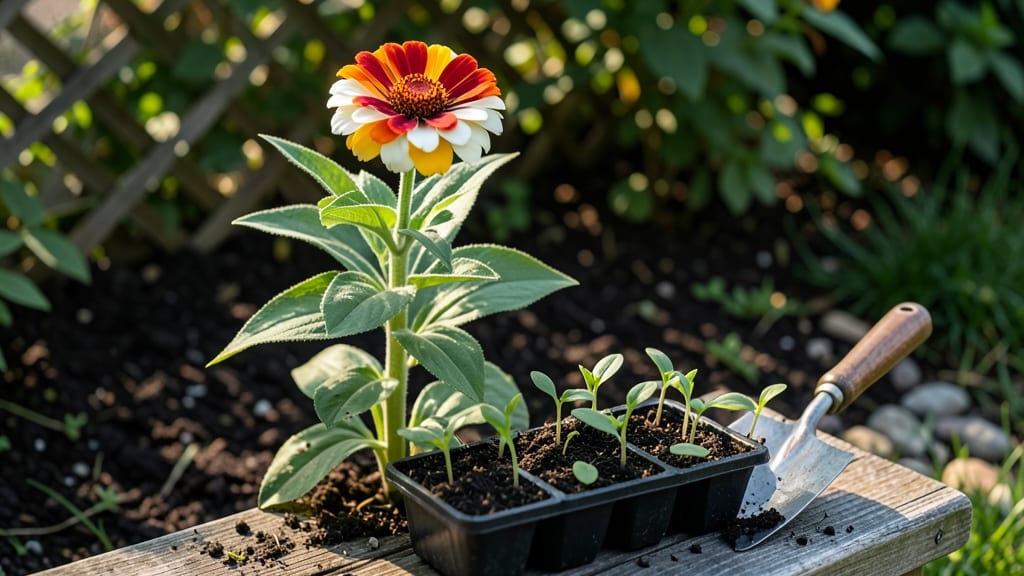
Planting annuals in Ohio after the last frost date is the key to vibrant blooms and bountiful harvests 🌱—and missing that window can leave you scrambling when late frosts strike.
Ohio’s unpredictable spring weather can make timing your annual flower and vegetable plantings a guessing game—get it wrong, and you’ll either face frost damage or miss peak blooms. But with the right frost-free deadlines tailored to Ohio’s microclimates, you can maximize your garden’s potential.
Most Ohio gardeners fall into USDA Zones 5b-6a, where last-frost dates range from mid-April in the south to early May in the north. That means your spring planting window is shorter than you think—just 8-12 weeks to grow heat-loving annuals before summer’s sweltering heat sets in.
In this guide, I’ll break down the exact frost-free dates by Ohio region, the best annuals to plant early vs. late, and proven hacks to extend your season—so you never miss a bloom or harvest again.
Ohio’s frost-free planting zones: key dates by region
Ohio’s five distinct planting zones create unique challenges for annual gardeners. The state spans USDA Zones 5b-6a, meaning frost dates vary dramatically—from late April in the south to early June in the north. Understanding these microclimates helps you avoid frost damage while maximizing your garden’s potential.
Urban areas like Columbus and Cincinnati often experience warmer microclimates than rural farms, thanks to the urban heat island effect. Meanwhile, Lake Erie’s moderating influence keeps Toledo and Cleveland slightly cooler.
These variations can mean a 2-week difference in your last frost date—critical for timing heat-loving annuals like marigolds or tomatoes.
Below, I’ve broken down Ohio’s five key regions with last-frost averages, first-planting windows, and heat-tolerant varieties that thrive despite Ohio’s short growing season. Use these as your planting guide to avoid common mistakes like planting too early or missing the optimal window.
🌱
| Region | Avg. Last Frost | First Planting Window | Heat-Tolerant Annuals | Microclimate Notes |
|---|---|---|---|---|
| Northwest (Toledo, Lima) | May 10–15 | May 20–June 1 | Zinnias, Sunflowers, Basil | Cooler, shorter season; use row covers |
| Northeast (Cleveland, Akron) | May 5–10 | May 15–20 | Cosmos, Celosia, Peppers | Lake Erie delays frost; extend season with cold frames |
| Southeast (Athens, Chillicothe) | April 15–20 | April 25–May 5 | Tomatoes, Okra, Sweet Potatoes | Warmest zone; plant heat-lovers early |
| Southwest (Dayton, Cincinnati) | April 20–25 | May 1–5 | Marigolds, Eggplant, Sweet Basil | Urban heat islands speed up planting |
| Central (Columbus, Mansfield) | April 25–May 5 | May 10–15 | Petunias, Geraniums, Cucumbers | Moderate climate; balance early and late plantings |
For Northwest Ohio, where frost lingers until mid-May, focus on cool-season annuals like pansies and lettuce in early spring. Once the soil warms (test with a soil thermometer—aim for 60°F+), switch to heat-lovers like zinnias and sunflowers.
In Southeast Ohio, you can plant tomatoes and peppers as early as late April, but always have row covers ready for late frosts.
Urban gardeners in Cincinnati or Columbus benefit from warmer microclimates—ideal for succession planting. Start basil and marigolds by May 1, then follow up with okra or sweet potatoes in early June. If you’re in a rural area, wait until after Mother’s Day to plant
Best annuals to plant early vs. late in Ohio: heat & frost tolerance guide
Ohio’s spring frost dates can shift dramatically from year to year, but knowing which annuals thrive early and which need warm soil gives you the edge.
I’ve tested these varieties in my Zone 5b garden—some handle late frosts like champs, while others bolt faster than a rabbit in a vegetable patch.
Your planting strategy hinges on two key windows: cool-season starters (March-April) and heat-loving follow-ups (May-June). Skip this timing, and you’ll end up with wilty lettuce or stunted tomatoes. Let’s break down the pros and cons of each approach.
Early Planting (March-April) - Cool-Season Annuals
Pros
- Frost tolerance: Survives 28°F temps
- Early harvests: Lettuce in 45 days
- Pest resistance: Fewer aphids early
Cons
- Slow growth: Needs 6+ weeks to mature
- Bolting risk: Heat triggers flowering too soon
- Soil prep: Requires cold-frame protection
Late Planting (May-June) - Heat-Loving Annuals
Pros
- Fast growth: Tomatoes ready in 60 days
- Bold blooms: Zinnias thrive in 90°F+
- Pest control: Birds eat caterpillars naturally
Cons
- Late start: Misses early harvests
- Water needs: Daily irrigation required
- Short season: Falls frost cuts growth
For early planting, I swear by ‘Blackout’ zinnia—it blooms nonstop from May to frost, even in partial shade. Pair it with ‘Purple Majesty’ beans, which handle light frosts better than most. These varieties let you succession plant every 2 weeks for continuous harvests.
My late-season winners include ‘Sweet Million’ vines (melons that ripen before Ohio’s first frost) and ‘Heatmaster’ okra, which produces pods until October. The trick? Use black plastic mulch to warm soil 10°F faster than bare earth.
Pro tip: If you’re in northwest Ohio, delay heat-lovers until May 15—the Lake Erie breeze keeps soil cold longer. For southeast Ohio, you can plant 2 weeks earlier. Always check your local frost dates using the Old Farmer’s Almanac app.
Remember: Succession planting is your secret weapon. After harvesting early lettuce, replant with ‘Red Sails’ basil—it handles light frosts and grows fast enough to beat the fall chill. With this strategy, my garden stays productive until November!