
Plants
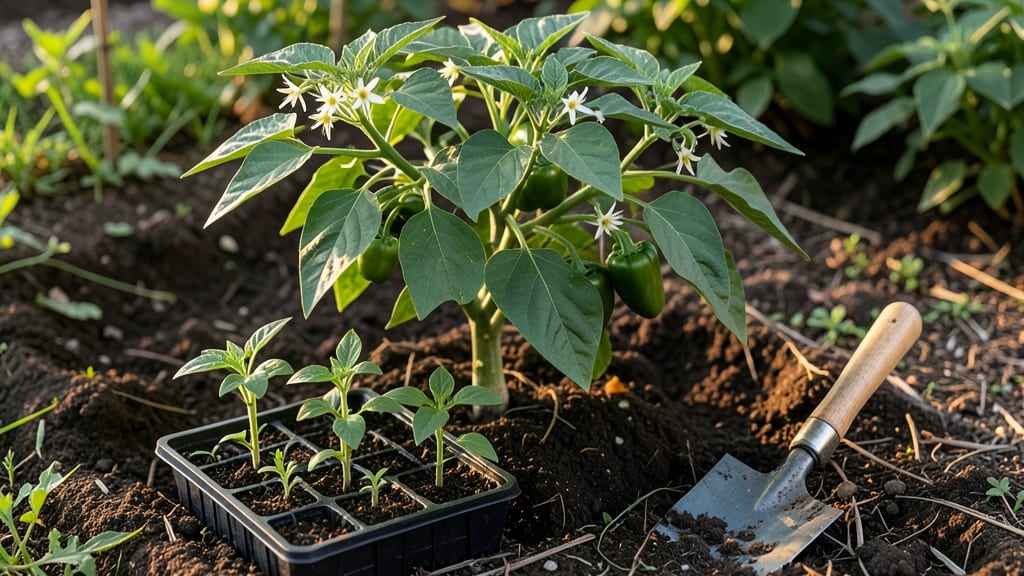
Planting bell peppers in Missouri after the last frost date — typically mid-April to mid-May — is the key to unlocking a bumper crop of sweet, juicy peppers.
Missouri gardeners know timing is everything—plant too early, and frost will ruin your crop; too late, and summer heat cuts yields short. Mastering the perfect planting window in USDA Zones 5-6 ensures juicy, high-yield peppers all season long.
This isn’t just about avoiding frost; soil temperature matters just as much. Bell peppers 🌶️ thrive when the ground reaches at least 60°F, which usually aligns with late April in northern Missouri and early April in the southern half.
Below, I break down the exact planting windows for your zone, how to prep your soil for maximum growth, and the best varieties to beat Missouri’s short season.
Missouri bell pepper planting calendar: exact dates by USDA Zone 5-6
Missouri's USDA Zones 5-6 create unique challenges for growing bell peppers—too early, and frost zaps seedlings; too late, and summer heat stunts production. The key is planting when soil temperatures hit 60°F+ and all frost risk has passed.
In Zone 5, this typically means waiting until mid-to-late May, while Zone 6 gardeners can start as early as mid-April in protected beds.
For maximum yields, I recommend using both transplants (started indoors 8-10 weeks before last frost) and direct sowing (after soil warms). Transplants give you a 2-3 week head start over seeds, which is critical in Missouri's short growing season.
Let's break down the exact planting windows for each zone to help you time your crop perfectly.
| Zone | Last Frost Date | Soil Temp Threshold | Transplant Window | Direct Sow Window | Harvest Ready By |
|---|---|---|---|---|---|
| Zone 5b | April 15 | 60°F+ | May 1-15 | May 20-June 5 | July 15-August 15 |
| Zone 6a | April 1 | 60°F+ | April 15-May 1 | April 30-May 15 | June 20-July 30 |
| Zone 6b | March 25 | 60°F+ | April 10-April 30 | April 15-May 1 | June 15-July 20 |
In Zone 5b, where frost lingers longer, I always recommend starting transplants indoors by March 15 to give them enough time to mature before the May 1-15 transplant window.
For direct sowing, wait until May 20 when soil temperatures consistently stay above 60°F. This later timing helps avoid blossom end rot, a common issue when peppers grow too quickly in cool soil.
Zone 6 gardeners have more flexibility. In Zone 6a, you can transplant as early as April 15 if you use frost cloth or a mini greenhouse.
For direct sowing, aim for April 30-May 15 when nighttime temperatures stay above 50°F. In Zone 6b, the earliest zone, you can even direct sow as soon as April 15 in protected microclimates like near south-facing walls.
One mistake I see often is planting too early without protection.
Bell peppers are tender perennials that won't tolerate temperatures below 50°F. Even if your last frost date has passed, nighttime temperatures in early spring can still drop into the 30s. Always check the 7-day forecast before planting, and have row covers ready for unexpected cold snaps.
For extended harvests, I plant a second crop in late June using heat-tolerant varieties like 'Carolina Wonder' or 'Jupiter'. These peppers mature in 60-70 days, giving you a late-summer harvest just as other varieties start to decline.
Just be prepared to provide extra shade cloth during Missouri's brutal July heat to prevent sunscald on the fruits.
Before planting, I always test my soil pH (aim for 6.0-6.8) and add compost to improve drainage. Bell peppers hate soggy roots, so raised beds or mounds work wonders in Missouri's heavy clay soils.
Mix in a balanced fertilizer (10-10-10) at planting time, then side-dress with compost tea every 4-6 weeks during the growing season.
Remember that Missouri's humidity levels can create perfect conditions for pepper diseases like bacterial spot. To prevent issues, I water at the base of plants in the morning and avoid overhead sprinkling.
Mulching with straw or shredded leaves helps maintain even moisture and keeps fruits off the damp soil, reducing rot risks.
By following these zone-specific timelines and soil preparation tips, you'll be well on your way to growing bountiful bell peppers in Missouri. The key is patience—rushing the planting process often leads to disappointing yields, while careful timing rewards you with juicy, flavorful peppers all summer long. 🌱
How to extend Missouri’s bell pepper growing season for bigger harvests
Missouri’s short growing season can feel like a race against time for bell pepper lovers. With the right techniques, you can extend your harvest window by weeks—even months—while protecting your plants from late frosts and early chills.
The key lies in season-extending tools and smart planting strategies tailored to Missouri’s USDA Zones 5b-6b climate.
Start by choosing heat-tolerant varieties like ‘Carolina Wonder’ or ‘Jupiter’, which thrive in Missouri’s summer heat. Pair these with seasonal extensions—whether it’s a simple row cover or a more robust cold frame.
Each method has trade-offs, so let’s break down what works best for your garden’s size and budget.
🌱 Season-Extension Methods for Bell Peppers in Missouri
✅ Extends season by 4-6 weeks
✅ Protects from light frosts (28°F)
❌ Requires daily monitoring to avoid overheating
✅ Lightweight and easy to install
✅ Protects from 32°F frosts
❌ Reduces sunlight by 20-30%
✅ Warms soil 2-3 weeks faster than ground
✅ Improves drainage and root health
❌ Higher initial cost for materials
For early planting, use a cold frame to start seeds indoors as early as mid-March. These portable glass or plastic boxes trap heat during the day and insulate at night, letting you transplant seedlings 2-3 weeks before the traditional April 15 deadline.
Just remember to ventilate on warm days to prevent overheating—bell peppers wilt quickly in temperatures above 90°F.
If you’re aiming for a fall harvest, opt for row covers or low tunnels to shield plants from early October frosts. These breathable fabrics allow sunlight and water to pass through while blocking chilly winds.
For a longer extension, combine row covers with black plastic mulch—this dark barrier warms the soil by 5-10°F, giving peppers a head start in cooler months.
Don’t overlook raised beds as a game-changer. Filled with compost-rich soil, they warm up faster in spring and stay warmer longer in fall. Plant your peppers in early May and use a floating row cover to push harvests into late October.
Just be sure to remove covers during pollination (peppers need bees!) and reapply when nights dip below 50°F.
Pro tip: Pair your season extensions with heat-tolerant varieties like ‘Aristotle’ or ‘NuMex Heritage’. These varieties handle Missouri’s 90°F+ summers without blossom drop, ensuring a steady supply of peppers even when the mercury rises.
With the right combo of tools and varieties, you’ll turn Missouri’s short season into a pepper lover’s paradise 🌶️.