
Plants
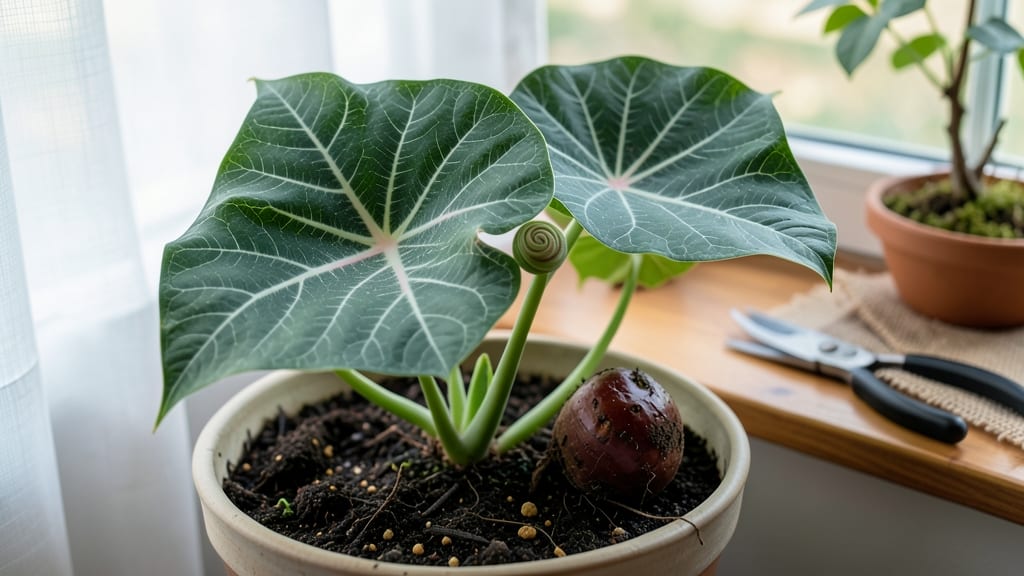
Planting caladium bulbs in Alabama after your last frost date ensures vibrant summer foliage that thrives in the heat 🌿 — and getting the timing right means the difference between showstopping leaves and sad, wilted tubers.
Alabama’s humid summers bring stunning caladium foliage, but planting too early or late can mean wilted dreams before the heat even arrives. Timing these tropical tubers perfectly ensures vibrant, long-lasting leaves that thrive in your garden’s peak growing season.
Most gardeners in USDA zones 7b-8b should wait until mid-March to early April, when soil temperatures hit 60-65°F and frost risk has passed. North Alabama may need to hold off a week longer than the southern part of the state, where warmer microclimates allow earlier planting.
Below, I break down the exact frost-free deadlines, soil prep tips, and how to stretch your caladium season with staggered planting for maximum summer color.
Alabama’s frost-free deadlines for planting caladium bulbs
Caladium bulbs thrive in Alabama’s humid heat, but their tropical nature demands precise timing. Planting too early risks frost damage, while late planting may leave you with wilted foliage before summer’s peak.
The key is waiting for soil temperatures to consistently reach 60-65°F—a threshold that varies by region.
Alabama spans USDA zones 7b-8b, creating distinct planting windows. Northern Alabama (zones 7b) has later frost dates, while Southern Alabama (zones 8a-8b) enjoys earlier warm-up periods. Understanding these microclimates ensures your caladiums burst into vibrant color right when you need them.
Here’s the exact planting timeline for both regions, including soil temperature cues and last frost averages:
For Northern Alabama (zones 7b), wait until mid-April to plant, as frost can linger until April 5 in some areas. Use a soil thermometer to confirm temperatures stay above 60°F for 3–5 days—this signals it’s safe to plant.
In Central Alabama (zone 8a), you can start as early as late March, but hold off if nights dip below 50°F. The Mobile and Gulf Coast regions (zone 8b) offer the earliest windows, with March 1–20 being ideal for tropical varieties like ‘White Queen’ or ‘Flamingo Pink’.
Pro tip: Use black plastic mulch to warm soil faster in cooler zones. Lay it down 2–3 weeks before planting to accelerate soil temperature rise. This trick works wonders in North Alabama, where late frosts can delay planting by weeks.
Always plant 4–6 inches deep and space bulbs 6–12 inches apart for optimal airflow. In containers, use a well-draining mix with perlite to prevent rot—a common issue in Alabama’s humid summers.
Remember: Caladiums are heat-loving showstoppers. Planting them at the right time ensures they’ll dominate your garden from June through October, when their striking foliage steals the show.
🌿
How to time caladium planting for maximum summer color
Alabama’s summer heat transforms caladiums into showstopping foliage, but their tropical roots need precise timing to thrive. Planting too early risks frost damage, while waiting too long means missing the peak growing window.
The key is staggered planting—a simple strategy that extends your vibrant display from early summer through fall.
For urban gardeners, container planting offers flexibility, but soil temperature and drainage become critical. In Alabama’s humid climate, poor air circulation can lead to fungal issues, while intense afternoon sun can scorch delicate leaves.
Mastering these timing and care tricks ensures your caladiums stay lush and healthy through Alabama’s longest, hottest months.
- 🌱 Start planting March 15-30 in North Alabama (USDA 7b) after last frost risk passes. Aim for soil temps of 65°F+—use a soil thermometer to confirm.
- 📅 Extend blooms by planting in stages: First batch in late March, second in early April. This creates a 6-week display instead of a single peak.
- 🏡 Urban containers need extra warmth: Use black pots to absorb heat or nest containers in mulch. Add perlite to soil to prevent waterlogging.
- ☀️ Protect from afternoon sun: Plant near east-facing walls or under 30% shade cloth to prevent leaf burn in Alabama’s intense summer rays.
- 💧 Water deeply but infrequently: Soak containers weekly (daily in heatwaves) but avoid soggy soil—caladiums rot in standing water.
- 🌿 Fertilize lightly in spring only: Use 5-10-10 balanced fertilizer when leaves emerge, then stop feeding after June to prevent fungal issues.
After planting, monitor for heat stress—drooping leaves signal it’s time to move containers to shadier spots. In Alabama’s humidity, fungal diseases like leaf spot are common, so space plants 12 inches apart for airflow and remove yellowed leaves promptly.
Mulch with pine straw to retain moisture while preventing soil-borne pathogens.
For container gardeners, choose self-watering pots to maintain consistent moisture without overwatering. Elevate containers on pot feet to improve drainage—a critical fix for Alabama’s heavy summer rains. Remember, caladiums are tropical tubers, so they’ll reward precise care with foliage that rivals any summer flower.
By following these timing and care adjustments, your caladiums will thrive through Alabama’s 215 frost-free days, turning your garden into a living art gallery from June through October. The secret? Plant early, stagger batches, and protect from extremes—your summer color show is just weeks away!