
Plants
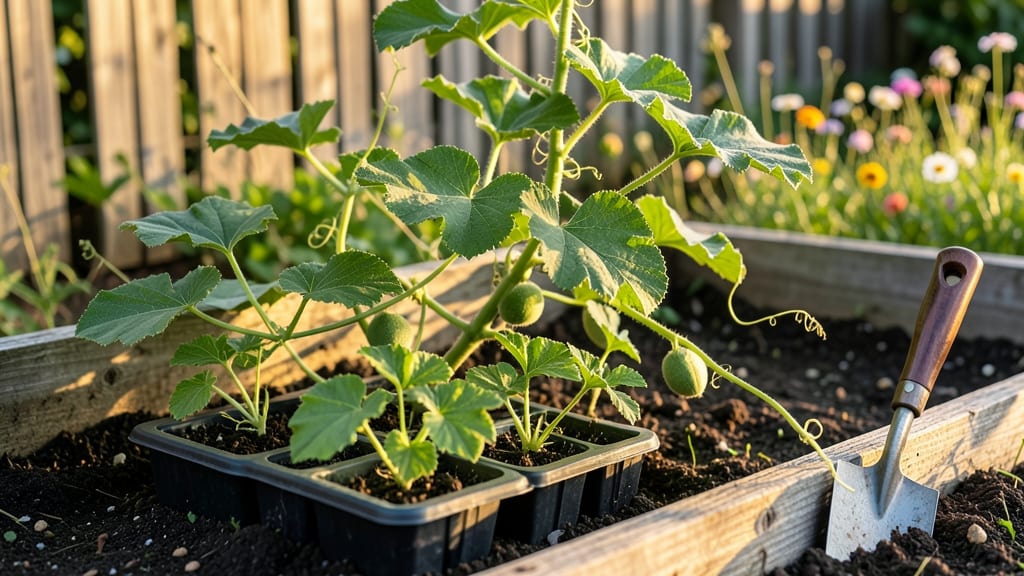
Planting cantaloupe in Missouri works best when soil temperatures hit 75°F — a window that shifts yearly with spring’s whims.
Missouri’s unpredictable spring weather can leave gardeners guessing about the perfect time to plant cantaloupe—but getting the timing right means the difference between a bountiful harvest and wasted seeds. The key lies in soil warmth, not just calendar dates, and knowing these triggers will help you grow sweeter melons faster.
Most Missouri gardeners in USDA Zones 5-7 should wait until late May or early June, when frost risk fades and the ground stays reliably warm. But if you’re in southern Missouri, you might start as early as mid-April, while northern regions often need to wait until June.
Below, I’ll break down exactly how to test soil warmth, adjust for your specific Missouri region, and use row covers to extend your growing season for a longer harvest.
Ideal soil temperature and Missouri planting zones for cantaloupe success
Cantaloupe thrives when soil temperatures reach 75-90°F—this warmth triggers fast germination and strong vine growth. Missouri’s USDA zones 5-7 mean your planting window varies by region, but soil temperature is the real game-changer.
Unlike cool-season crops, cantaloupe won’t germinate well in chilly soil, so waiting for warmth pays off with sweeter, more productive vines.
Most Missouri gardeners aim to plant cantaloupe after the last frost date, but this isn’t enough—you must also verify soil warmth. A simple soil thermometer (just $10 at garden centers) will tell you when conditions are perfect.
For example, in St. Louis (Zone 6a), soil often hits 75°F by mid-May, while Kansas City (Zone 6b) may need to wait until late May or early June.
Here’s the critical rule: Never plant cantaloupe in cold soil, even if calendar dates suggest it’s time. Seeds rot or fail to sprout below 70°F. The best approach?
Use black plastic mulch 1-2 weeks before planting to warm the soil faster—a trick I’ve used to extend my Missouri growing season by 3 weeks.
Missouri’s Zone 5-7 climate creates microclimates where cantaloupe can thrive if you time it right. In northern Missouri (Zone 5), aim for late May planting after soil warms, while southern Missouri (Zone 7) may allow earlier starts in April.
The key is consistency: cantaloupe needs 60-90 days of warmth to mature, so late plantings risk harvests cut short by fall frosts.
To test soil temperature accurately, bury your thermometer 2 inches deep—this mimics seed depth. Check readings in the morning; soil cools overnight but warms quickly with sunlight. Pro tip: Dark, loose soil heats faster than clay or compacted earth.
If your soil is slow to warm, try planting on south-facing slopes or raised beds for a 5-7°F advantage.
For gardeners in St. Louis or Kansas City, where nights can still dip below 50°F in May, use row covers or cold frames to protect young plants.
These tools add 3-5°F to soil temperature, accelerating growth. I’ve seen cantaloupe seeds sprout in just 3 days with this method, compared to 10+ days in unprotected beds.
One common mistake? Planting cantaloupe too early based on air temperature alone. The rule of thumb: Soil must stay above 60°F at night for consistent germination. If you’re unsure, wait until three consecutive days above 75°F—this ensures your cantaloupe gets off to a strong start.
Missouri’s summer heat is actually ideal for cantaloupe, but timing matters. Planting in early June gives vines time to establish before the dog days of July. For a second crop, try late July plantings—these often produce smaller but sweeter melons before frost.
Just remember: cantaloupe needs full sun (6+ hours daily) and well-draining soil to prevent rot.
If you’re growing cantaloupe in containers, soil warms faster, so you can plant 1-2 weeks earlier than in-ground. Use 5-gallon pots with drainage holes and fill with a mix of potting soil and compost.
Container-grown cantaloupe may need daily watering during Missouri’s dry summers, but the trade-off is earlier harvests and fewer pests.
For maximum success, pair your planting with compost enrichment—cantaloupe is a heavy feeder. Work in 2-3 inches of compost before planting to boost soil fertility. I’ve found that cantaloupe vines in amended soil produce 20% more fruit and recover faster from heat stress.
Mulch with straw after planting to retain moisture and regulate soil temperature.
5 Signs your Missouri soil is ready for cantaloupe planting (and 3 common mistakes)
Cantaloupes are heat-loving plants that won’t thrive in Missouri’s cool springs. Waiting for the right cues ensures strong germination and faster fruit production. The key is monitoring soil warmth, not just checking the calendar.
I’ve learned from years of trial-and-error that planting too early leads to weak seedlings, while waiting too long can shorten the growing season.
Missouri’s USDA zones 5-7 mean frost dates vary dramatically—from late April in southern regions to early June in northern areas. Cantaloupes need at least 75°F soil to germinate properly, and they’ll bolt (flower prematurely) if stressed by cold.
I’ve seen cantaloupe seeds rot in 50°F soil, no matter how much I watered them.
- Soil temperature reaches 75°F+ – Use a soil thermometer to check depth (2-3 inches). Cantaloupes won’t germinate below this threshold.
- Dark brown or black soil – Warm soil appears darker. If it’s still grayish, it’s too cold. Press your hand into the soil—if it feels warm to the touch, it’s ready.
- Weeds are actively growing – Fast-growing weeds like lambsquarters indicate warm soil. Cantaloupes thrive in this same warmth.
- Last frost date has passed – Check your local Missouri frost map. Southern Missouri can plant by late April, while northern areas wait until mid-May.
- Morning soil stays damp – Warm soil retains moisture better. If it dries out quickly, it’s not ready—wait for consistent moisture retention.
Three common mistakes Missouri gardeners make when planting cantaloupes are planting too early, ignoring soil temperature, and overlooking frost dates. I once planted cantaloupe seeds in early April in St. Louis, only to have them rot in the cold, damp soil.
Even with row covers, they struggled until the soil warmed naturally in May.
Another mistake is skipping soil prep. Cantaloupes need well-draining, fertile soil with a pH of 6.0-6.8. I recommend amending your garden bed with compost or aged manure at least 2 weeks before planting. This gives beneficial microbes time to colonize the soil, which helps roots establish faster.
If you’re in doubt, use black plastic mulch to warm the soil 2-3 weeks earlier. I’ve seen this method raise soil temperatures by 10-15°F in just a few days.
Just remember to remove the mulch once seeds germinate to prevent overheating. For Missouri’s variable climate, timing is everything—don’t rush it! 🌿