
Plants
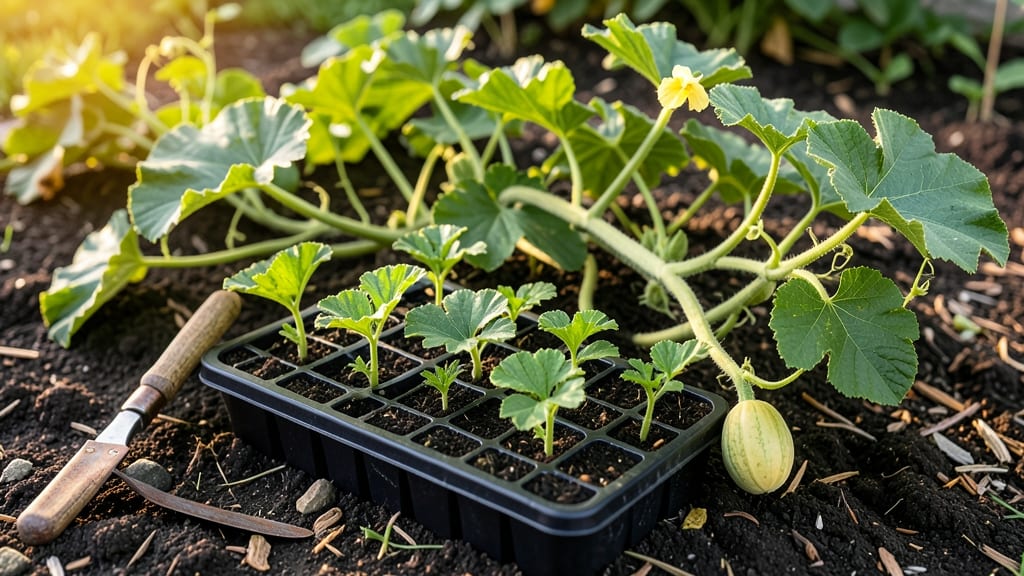
Plant cantaloupe in North Texas after your last frost date—typically mid-March to late April—when soil temperatures hit at least 70°F for consistent germination.
North Texas gardeners know timing is everything—plant cantaloupe too early and frost will wipe out your crop, but too late and the brutal summer heat can stifle growth. The 30-day window between frost-free and sweltering temps is your sweet spot for sweet melons.
This guide breaks down the exact planting dates for your region, the heat-tolerant varieties that thrive in Zone 8a, and how to prep soil to keep roots cool while vines stretch toward the sun.
By the end, you’ll know when to start seeds indoors, how to spot the first signs of stress, and which companion plants keep pests away—so you can go from seed to harvest with confidence.
North Texas cantaloupe planting dates: avoiding frost & heat risks
North Texas gardeners face a delicate balance when planting cantaloupes—spring frosts can kill young seedlings, while summer heat stress can stunt growth if planted too late. The key is understanding your last frost dates and soil temperature thresholds.
In most of North Texas (USDA Zones 8a-8b), the average last frost date falls between March 15 and April 15, but local microclimates can shift these windows by weeks.
For example, Dallas and Fort Worth typically see their last frost around March 25, while Waco and Lubbock often wait until April 10-20.
These dates aren’t set in stone—historical weather data shows a 10-14 day variance year to year, so always check local forecasts or use a frost-free date calculator like the one from the National Weather Service.
Cantaloupes thrive when soil temperatures reach at least 70°F, which usually aligns with late April to early May in North Texas. Planting too soon means risking cold soil shock, while waiting too long may push your harvest into August’s scorching heat, when melons struggle to mature.
The sweet spot? Aim for mid-April in Dallas and early May in Lubbock to balance these risks.
To extend your planting window, consider using black plastic mulch or row covers to warm the soil faster. These methods can shave off 10-14 days of waiting time by trapping heat. However, remove covers once flowers appear to prevent overheating and ensure pollination.
Another trick? Plant heat-tolerant varieties like 'Athena' or 'Hale’s Best', which handle North Texas summers better than standard types.
Watch for heat stress signs like yellowing leaves or blossom drop if you plant too late. Cantaloupes need consistent moisture during fruit development—aim for 1-2 inches of water per week—but avoid overhead watering in peak heat to prevent sunscald on melons.
Drip irrigation or soaker hoses work best for North Texas’ unpredictable summer rains.
For a second planting, try late June in cooler microclimates (e.g., hill country), but expect smaller yields due to shorter daylight hours in late summer. Always prioritize soil health—amend clay-heavy soils with compost to improve drainage, as cantaloupes hate soggy roots.
Test your soil’s pH (ideal: 6.0-6.8) and add lime if needed before planting.
Pro tip: Use a soil thermometer to confirm temperatures before planting. If your soil is below 65°F, delay until conditions improve—cantaloupe seeds won’t germinate in cold soil. Patience here pays off with healthier vines and sweeter melons.
Remember, North Texas’ variable weather means flexibility is key. If an early frost threatens in April, protect seedlings with frost cloth or move pots indoors temporarily. Conversely, if a heatwave hits early, provide afternoon shade with shade cloth until plants acclimate.
Timing your cantaloupe planting isn’t just about dates—it’s about reading your local climate like a pro.
With the right window, you’ll enjoy homegrown cantaloupes from July through September, beating the rush to grocery store melons. Happy planting—and may your vines spread far and wide! 🍈
Best cantaloupe varieties for North Texas heat & soil conditions
North Texas summers bring intense heat and variable soil types, from sandy loam to heavy clay. Not all cantaloupe varieties handle these conditions well, but the right choices—like 'Athena' and 'Hale’s Best'—thrive even when temperatures soar past 100°F.
These heat-tolerant varieties resist bolting and produce sweet, flavorful fruit despite the challenges.
For clay-heavy soils, focus on varieties with strong root systems like 'Ambrosia', which handles poor drainage better than others. If your soil is sandy and dry, opt for 'Caravelle', a drought-resistant French heirloom that delivers consistent yields.
The key is matching the variety to your specific soil type and microclimate.
Soil preparation is just as critical as variety selection. North Texas soils often lack organic matter, so I always amend with compost or well-rotted manure before planting. Aim for a pH between 6.0 and 6.8, and mix in sand or perlite if your soil is too dense. This creates the ideal loose, well-draining environment cantaloupes crave.
🌱 Top Cantaloupe Varieties for North Texas
- 'Athena' – Heat-tolerant, disease-resistant, and ready in 75 days. Perfect for sandy soils.
- 'Hale’s Best' – Classic 80-day variety with thick rinds for clay soils and hot climates.
- 'Ambrosia' – Drought-resistant and thrives in heavy clay. Sweet, aromatic fruit in 85 days.
- 'Caravelle' – French heirloom with excellent heat tolerance and disease resistance. Ideal for sandy loam.
- 'Minnesota Midget' – Compact 60-day variety for small gardens or container growing.
Companion planting can boost yields and deter pests in North Texas gardens. Pair cantaloupes with bush beans or radishes to improve soil structure and repel nematodes. Avoid planting near potatoes or pumpkins, as they compete for nutrients and attract similar pests.
I also recommend interplanting with marigolds to naturally suppress fungal diseases like powdery mildew.
Once planted, mulch heavily with straw or black plastic to retain moisture and regulate soil temperature. In North Texas’ 100°F+ heat, mulch reduces water evaporation by up to 50%, keeping roots cool and vines productive. Just be sure to leave space around the fruit stems to prevent rot.
With the right variety, soil prep, and companion plants, you’ll enjoy homegrown cantaloupes from July through September—even in the harshest North Texas summers. The secret? Start with heat-tolerant seeds and give them the ideal growing conditions from day one. 🌿