
Plants
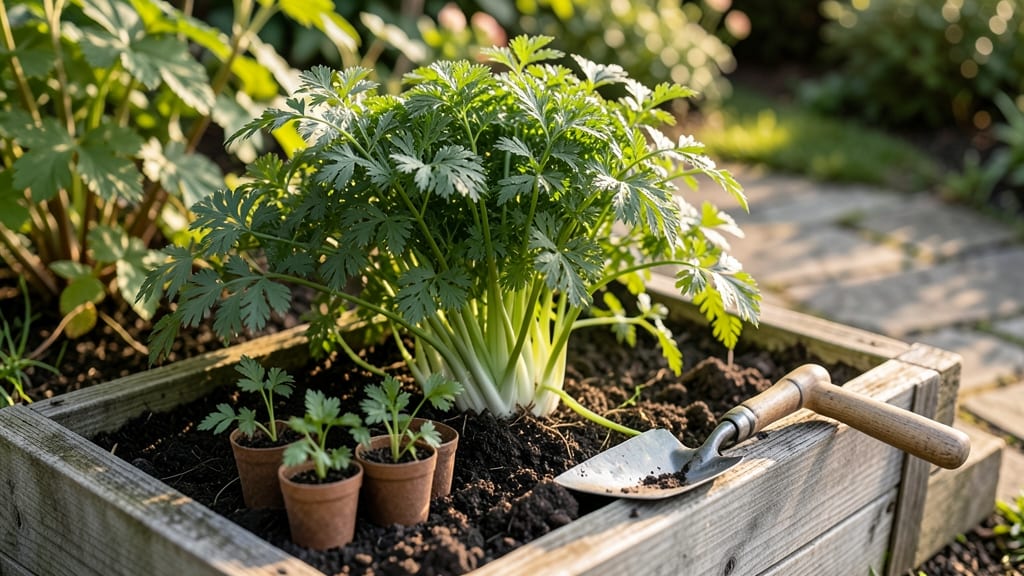
To plant celery in Louisiana, aim for late February to early March or August to early September — timing that dodges the worst heat while letting the stalks mature before winter chills set in.
Louisiana’s sweltering summers and humid climate can turn celery plants into a gardener’s nightmare—unless you time your planting just right. I’ve watched thick, flavorful stalks bolt into seed within days when planted too early, and seen them wilt under August’s heat if started too late.
Celery thrives in Louisiana’s 8a-9b zones when given the right window: spring’s mild temperatures and fall’s cooler air create ideal conditions. The key is beating the heat without sacrificing growth time—something I’ve perfected after years of trial and error.
In this guide, I’ll break down the exact months to plant for bold stalk growth, how to avoid bolting in the heat, and whether fall or spring yields better results in your backyard.
Best planting months for celery in Louisiana’s climate zones
Louisiana’s humid heat and long growing seasons create unique challenges for celery cultivation. Unlike northern climates, we can’t rely on a single planting window—success hinges on strategic timing to avoid bolting and heat stress.
The key is planting during cooler transitions: either late winter for spring harvests or early fall for winter crops.
Celery thrives in Louisiana’s USDA zones 8a-9b when given the right conditions. The ideal planting windows are late February to early March for spring and mid-August to early September for fall. These periods align with soil temperature shifts and humidity patterns that prevent premature flowering while maximizing stalk development.
| Planting Window | Zone 8a (North LA) | Zone 8b (Central LA) | Zone 9a (South LA) | Zone 9b (Southeast LA) |
|---|---|---|---|---|
| Spring Planting | Late Feb - Early Mar | Late Feb - Early Mar | Late Feb - Mid Mar | Mid Feb - Early Mar |
| Fall Planting | Mid-Aug - Early Sep | Mid-Aug - Early Sep | Late Aug - Mid Sep | Late Aug - Early Sep |
| Soil Prep Month | January | January | January | January |
| Harvest Window | May - June | May - June | April - May | April - May |
| Key Challenge | Late frost risk | Heat stress | Humidity buildup | Pest pressure |
| Success Tip | Use row covers | Shade cloth 30% | Raise beds | Succession plant |
For spring planting, aim to sow seeds 8-10 weeks before your last frost date—typically late February in northern Louisiana (Zone 8a) and mid-February in warmer southern regions (Zone 9b). This timing ensures seedlings establish roots before soil temperatures exceed 75°F, which triggers bolting.
In my Zone 8b garden, I’ve found that starting seeds indoors in January gives them a head start against Louisiana’s rapid warming.
Fall planting offers a second chance for Louisiana gardeners. The ideal window is mid-August to early September, allowing celery to mature before winter temperatures drop.
In Zone 9a and 9b, you can push this slightly later—up to mid-SeptemberOctober 1st, as days shorten and bolting risk increases. My fall crops consistently yield thicker stalks because cooler nights slow growth just enough to prevent bitterness.
Soil preparation is non-negotiable in Louisiana’s heavy, clay-rich soils. Test your soil 2-3 weeks before planting—celery thrives in
How to avoid celery bolting in Louisiana’s heat: proven timing strategies
Celery thrives in cooler temperatures but struggles with Louisiana’s intense summer heat, often bolting (prematurely flowering) when stressed. The key to avoiding this is strategic timing combined with shade management and consistent moisture.
In my experience, fall planting (August-September) is far more reliable than spring, as it allows celery to mature before the worst heat arrives.
Bolting occurs when celery senses heat stress or drought, triggering a survival response. To prevent this, I focus on three critical strategies: planting in cooler months, using shade cloth, and maintaining even soil moisture.
These tactics have helped me grow crisp, bolt-free celery even in Louisiana’s humid climate.
Sowing celery seeds in February or early March risks exposure to Louisiana’s unpredictable heat spikes by April. Even a single day above 85°F can trigger bolting. Instead, opt for late March or August plantings to align with cooler periods.
🌱 Pro Tip: Test soil temperature—celery bolts when roots exceed 75°F.
For spring plantings, I start seeds indoors 8-10 weeks before the last frost (mid-February) and transplant outdoors after March 15, when soil temperatures stabilize. This gives seedlings a head start before summer heat arrives.
In fall, I sow seeds directly in early August, ensuring harvest occurs before the first frost in December.
Shade cloth is my secret weapon against bolting. A 30-50% shade cloth reduces soil temperature by 10-15°F and blocks excessive sunlight. I drape it over celery beds during peak afternoon heat (12 PM–4 PM), removing it on cloudy days to allow light penetration.
This mimics the cooler conditions celery prefers.
Consistent moisture is equally critical. Celery roots need 1-2 inches of water weekly, but Louisiana’s humidity means drip irrigation or soaker hoses work best—avoid overhead watering, which can promote fungal diseases.
I mulch with 2-3 inches of straw to retain moisture and keep roots cool. Never let the soil dry out, even slightly.
Succession planting is another game-changer. Instead of one large planting, I sow small batches every 2-3 weeks from August to September. This ensures a steady harvest before winter sets in and prevents bolting by staggering plant maturity.
For example, my first batch in early August matures in October, while the last batch in late September harvests in November.
Finally, choose bolt-resistant varieties like ‘Utah’ or ‘Tall Utah’—they tolerate heat slightly better than standard types. Pair this with well-draining soil (amend with compost) and a northern exposure to delay heat exposure. With these strategies, you’ll enjoy crisp, homegrown celery even in Louisiana’s challenging climate. 🥬