
Plants
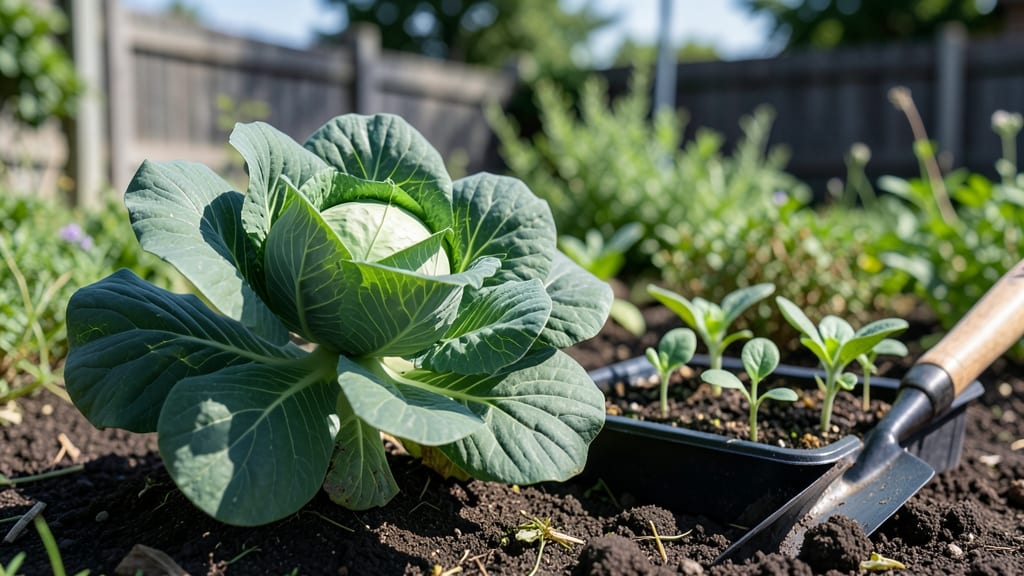
Planting fall crops in Zone 7 means timing your 4-6 week window to beat the frost—typically between mid-August and mid-September for a harvest before winter sets in.
Missed your spring planting window? Don’t worry—Zone 7’s fall season offers a second chance to grow thriving 🌾 vegetables, herbs, and flowers before the first frost. Timing is everything, and getting it right means the difference between a bountiful harvest and wasted effort.
This isn’t just about throwing seeds in the ground and hoping for the best. The key is knowing your last frost date—usually around October 15 in Zone 7—and working backward to choose crops that mature before the cold arrives.
Below, I’ll walk you through the 8-week pre-frost schedule that ensures your fall garden thrives, from fast-growing radishes to heartier broccoli, plus how to stretch your harvest even longer with simple tricks.
Zone 7 fall planting schedule: 8-Week pre-frost timeline for maximum yield
Zone 7 gardeners have a golden 8-week window before the first frost to plant cool-season crops. Understanding this timeline ensures you maximize your harvest before winter sets in. The key is knowing which crops thrive with 45-60 days to maturity and which can handle lighter frosts for extended harvests.
First, mark your calendar for October 15, the average first frost date in Zone 7. Count backward 8 weeks to determine your final planting deadline—typically around August 15. This schedule accounts for soil temperatures dropping below 50°F, which slows germination and growth.
Fast-growing crops like radishes (25-30 days) and spinach (30-40 days) can be planted as late as September 15, while slower varieties like broccoli (60-90 days) and carrots (70-80 days) need to be in the ground by mid-August.
Here’s your week-by-week planting roadmap to ensure a steady supply of fresh produce before winter:
| Week | Action | Crops to Plant | Soil Temp | Notes |
|---|---|---|---|---|
| Week 1 (Aug 1-7) | Prepare soil | Broccoli, cabbage, Brussels sprouts | 60-70°F | Add compost; test pH (6.0-7.0) |
| Week 2 (Aug 8-14) | Direct sow | Carrots, beets, peas, lettuce | 55-65°F | Thin seedlings; mulch beds |
| Week 3 (Aug 15-21) | Transplant | Kale, collards, Swiss chard | 50-60°F | Water deeply after transplanting |
| Week 4 (Aug 22-28) | Succession plant | Radishes, spinach, arugula | 45-55°F | Plant every 2 weeks for continuous harvest |
| Week 5 (Aug 29-Sep 4) | Direct sow | Turnips, mustard greens | 40-50°F | Use row covers for faster growth |
| Week 6 (Sep 5-11) | Harvest early crops | Radishes, lettuce, peas | 35-45°F | Protect with row covers if frost threatens |
| Week 7 (Sep 12-18) | Final sowing | Spinach, kale, garlic |
Best fall crops for Zone 7 by growth speed: fast vs. slow varieties explainedFall gardening in Zone 7 is all about balancing speed and frost tolerance. Fast-growing crops like radishes and spinach mature in just 30-45 days, while slower varieties such as broccoli and carrots need 60-90 days to reach harvest. The key is planting 4-6 weeks before your first frost—typically mid-August to early September in Zone 7—to ensure a successful harvest before winter sets in. For quick harvests, prioritize leafy greens and root vegetables like baby lettuce or turnips. These thrive in cooler weather and can be harvested multiple times. Meanwhile, slow growers like cabbage or onions need more time but reward you with heartier yields. Understanding these differences helps you plan your garden for maximum efficiency and flavor. 🌱 PROS-CONS BOX: FAST VS. SLOW FALL CROPS ⚡ FAST GROWERS (30-45 DAYS)
🐢 SLOW GROWERS (60-90 DAYS)
TIP: Plant fast crops first (late summer), then slow growers (early fall) for staggered harvests!
When choosing fast crops, focus on cool-season varieties that thrive in 50-60°F soil. Radishes and turnips are perfect for beginners because they’re forgiving and fast. In contrast, slow growers like broccoli or cauliflower need warmer soil to germinate but can handle light frosts once established. Start these 6-8 weeks before frost for best results. Yield potential varies too. Fast crops often produce smaller but abundant harvests, while slow growers deliver larger, more substantial yields. For example, a 10-foot row of radishes might give you 2-3 pounds in a month, whereas broccoli could yield 12-15 heads over 3 months. Balance your garden by mixing both types for continuous harvests. Frost tolerance is another critical factor. Leafy greens like kale and spinach actually sweeten with a light frost, while root crops like carrots and beets should be harvested before hard freezes. Use row covers or cold frames to extend the season for slower varieties. This way, you can enjoy fresh homegrown veggies well into winter! Pro tip: Succession plant fast crops every 2 weeks to ensure a steady supply. For slow growers, start seeds indoors 4-6 weeks before transplanting outdoors. This strategy maximizes your Zone 7 fall garden’s potential and minimizes wasted space or effort. |