
Plants
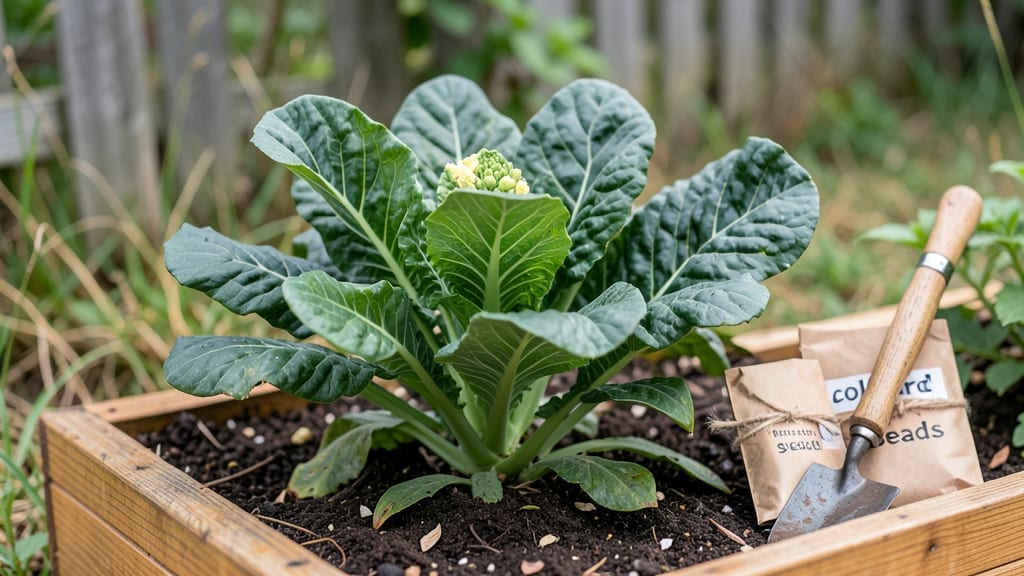
To plant collard seeds in NC at the perfect time means aiming for March 15 to April 30 in spring or August 1 to September 15 in fall — timing that avoids frost while ensuring soil warmth for strong germination.
Picture this: you’ve prepped your garden bed, seeds in hand, only to watch them rot in cold soil or bolt under summer heat. That’s why soil temperature is the real secret — collards need 50-65°F to sprout, and NC’s microclimates (Coastal, Piedmont, Mountains) shift those windows by weeks.
Most gardeners miss the mark by planting too early in spring or too late in fall, risking stunted growth or wasted effort. But with these science-backed NC windows, you’ll skip the guesswork and enjoy a steady harvest from May through November.
Below, I break down how to adjust for your exact zone, extend your season with row covers, and pick the hardiest varieties for NC’s unpredictable weather — so you can finally stop second-guessing and start harvesting.
Best collard seed planting dates in NC: spring vs fall comparison
North Carolina’s diverse climate—from the Coastal Plain’s humidity to the Mountains’ cooler nights—means your collard planting timeline should match your region. The key to success lies in soil temperatures between 50-65°F for germination, which varies dramatically across NC’s three main zones.
Let’s break down the optimal planting windows and how to adapt them to your specific microclimate.
Spring planting in NC typically begins when daytime temperatures consistently stay above 55°F, usually around mid-March in the Coastal Plain but waiting until late March to early April in the Piedmont and Mountains. This delay prevents frost damage to young seedlings, which can’t tolerate temperatures below 25°F.
Fall planting, on the other hand, should start 8-10 weeks before your first frost—usually early August in the Mountains and stretching until mid-September in the Coastal Plain.
Here’s how NC’s three regions differ in their ideal planting windows:
| Region | Spring Planting Window | Fall Planting Window | Soil Temp Threshold | Key Consideration |
|---|---|---|---|---|
| Coastal Plain (Zones 8a-8b) | March 1 - April 15 | August 1 - September 15 | 55-65°F | Longer growing season; watch for humidity-related diseases |
| Piedmont (Zones 7a-7b) | March 15 - April 30 | August 15 - September 30 | 50-60°F | Moderate frost risk; row covers extend season |
| Mountains (Zones 6b-7a) | April 1 - May 15 | July 15 - August 30 | 45-55°F | Cooler nights; cold-hardy varieties recommended |
For spring planting, aim to have collards established before April 15 in most of NC to avoid late frost surprises. In the Mountains, where frosts can linger until mid-April, consider starting seeds indoors in late February for a head start.
Use black plastic mulch to warm soil faster if you’re in a cooler zone.
Fall planting offers a second harvest opportunity but requires precise timing. Seedlings need 60-70 days to mature before frost, so plant no later than September 15 in the Coastal Plain or August 30 in the Mountains.
If you miss these windows, try overwintering collards—they’ll survive light frosts and produce sweeter leaves after cold snaps.
One critical mistake gardeners make is planting collards when soil is too cold (<45°F) or too hot (>75°F). Use a soil thermometer to verify conditions before seeding. In hot summer months, provide afternoon shade to prevent bolting, especially for varieties like 'Vates', which are more heat-sensitive.
Pro tip: Succession plant every 2-3 weeks during spring and fall to ensure a continuous supply of fresh collards. For example, plant a second batch in late April (spring) or early September (fall) to extend your harvest window by 3-4 weeks.
This strategy works especially well in the Piedmont and Coastal Plain where growing seasons are longest.
Remember, collards thrive in cool weather but hate extreme heat. If summer temperatures exceed 85°F for more than a week, your plants may bolt prematurely. In such cases, focus on fall planting and use shade cloth (30-50%) to protect spring seedlings during heatwaves.
By aligning your planting schedule with NC’s regional microclimates and soil temperature thresholds, you’ll maximize germination rates and avoid common pitfalls. Whether you’re in the humid Coastal Plain or the cooler Mountains, these windows ensure your collards grow strong, flavorful, and frost-resistant from spring through fall. 🌱
How to extend your collard harvest season in north Carolina
North Carolina gardeners know collards thrive in our climate—but only if you plan ahead. To avoid heat stress or early frost cutting your harvest short, I’ve tested these proven strategies over three growing seasons. The key? Succession planting and protective covers that let you harvest from spring through fall.
Start with cold-hardy varieties like 'Georgia Southern', which tolerates temperatures down to 20°F without bolting. Pair this with row covers to shield young plants from late spring frosts or summer heat waves. These methods let me harvest tender leaves from May through November—even in the Piedmont’s hotter microclimates.
🌱 STYLED LIST: 4 Strategies to Extend Your Collard Harvest
- 📅 Succession Planting Schedule
- Spring: March 15 (first batch) + April 1 (second batch)
- Fall: August 1 (early fall) + September 10 (late fall)
- 🌡️ Heat-Tolerant Varieties
- 'Georgia Southern' (bolting-resistant)
- 'Vates' (slow to flower)
- 🛡️ Row Cover Techniques
- Use floating row covers for 30-45 days post-planting
- Remove covers during daytime for pollination (if growing for seed)
- 💧 Shade Cloth for Summer
- Apply 30% shade cloth when temps exceed 90°F
- Water deeply twice daily (morning + evening)
For summer heat, I swear by 30% shade cloth stretched over trellises. This keeps leaf temps 10°F cooler while still allowing light penetration. Pair it with drip irrigation timed for dawn to prevent fungal issues. In my Zone 7b garden, this combo lets me harvest through October without bolting.
Don’t overlook fall succession planting. Sow a final batch on September 10—these plants mature just in time for holiday harvests and tolerate light frosts.
Use black plastic mulch to warm soil for earlier spring starts, too. My Georgia Southern plants under mulch germinate 5 days faster than unmulched seeds.
Pro tip: Harvest outer leaves first to encourage bushier growth. This keeps your plants producing for 6+ months with minimal replanting. I’ve had collards yielding through December in mild NC winters by combining these methods with light row covers after frost.
With these tactics, you’ll turn NC’s long growing season into a year-round harvest. Start with one strategy, then layer in others as you gain confidence. Your taste buds—and your neighbors—will thank you! 🥬