
Plants
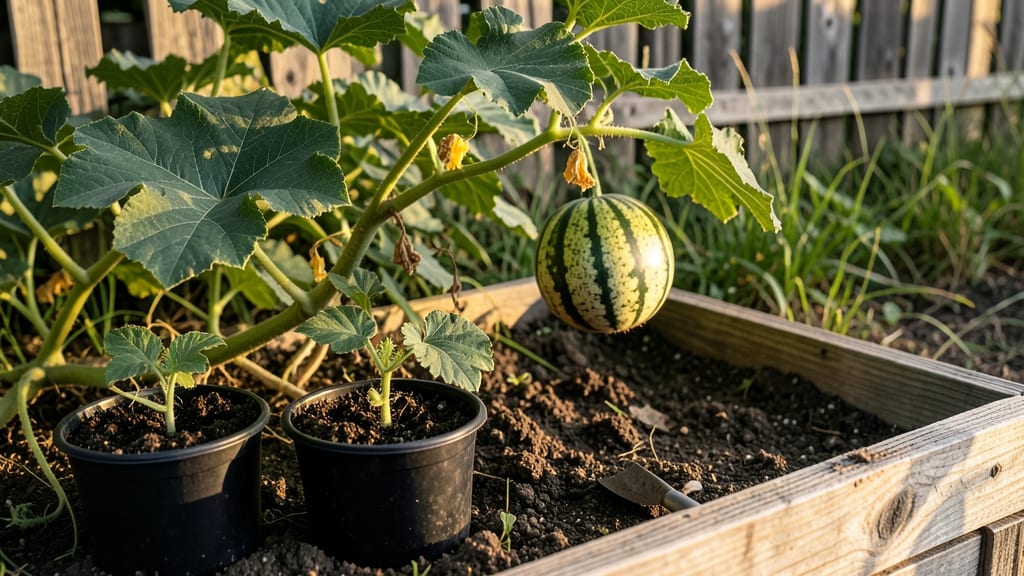
Planting watermelon seeds in NC after your last frost date—typically mid-April to early June—ensures your 🍉 vines thrive in the state’s warm summers.
But here’s the catch: North Carolina’s diverse climate zones mean a two-week difference between the mountains and the coast can make or break your harvest. Plant too early in Zone 7a, and a late frost will wipe out your seedlings.
Wait too long in Zone 8b, and you’ll miss the sweet, juicy fruits by summer’s end.
Below, I break down the exact frost-free planting windows for each NC zone, plus microclimate tweaks to extend your growing season—whether you’re in a hot Piedmont valley or a cooler mountain town.
You’ll also discover how to prep your soil for faster germination, the best seed spacing for your space (containers or open ground), and when to watch for those telltale signs that your watermelons are ready to pick.
NC watermelon planting timeline by USDA hardiness zones (7a-8b)
North Carolina’s diverse climate—from the cool mountain valleys of Zone 7a to the warm coastal plains of Zone 8b—creates a perfect environment for growing watermelons, but only if you plant at the right time.
Watermelons are heat-loving annuals that need consistent warmth to thrive, so timing your seeds or transplants after the last frost is critical. In this guide, I’ll break down the optimal planting windows for each zone, including soil temperature requirements and regional adjustments to maximize your harvest.
For all zones, watermelon seeds should only be planted when the soil temperature reaches at least 60°F (15°C) at a depth of 1 inch. Cold soil slows germination and can lead to rot or poor seedling health. Use a soil thermometer to check—this is your best indicator of readiness.
In NC, this typically aligns with late April to early June, but your exact timing depends on whether you’re sowing seeds directly or transplanting seedlings, and which zone you’re in.
Here’s a quick reference for your zone, including last frost dates, ideal planting windows, and harvest expectations:
| USDA Zone | Last Frost Date | Soil Temp for Planting | Direct Seed Window | Transplant Window | Harvest Time |
|---|---|---|---|---|---|
| Zone 7a (Mountains: Boone, Asheville) | April 15 | 60°F+ (15°C) | May 1 - May 15 | After May 15 (use row covers) | July 15 - August 15 |
| Zone 7b (Piedmont: Greensboro, Raleigh) | April 1 | 60°F+ (15°C) | April 20 - May 10 | April 25 - May 5 (transplants) | June 30 - August 10 |
| Zone 8a (Coastal Plains: Fayetteville, Wilmington) | March 15 | 60°F+ (15°C) | March 20 - April 15 | March 25 - April 10 | June 15 - August 5 |
| Zone 8b (Coastal: Morehead City, Outer Banks) | February 15 | 60°F+ (15°C) | February 20 - March 15 | March 1 - March 20 | May 15 - July 15 |
🌱 Note: Adjust for microclimates—urban areas may warm up faster than rural spots.
In Zone 7a, the cooler climate means you’ll need to wait until May 1 to plant seeds directly, as earlier sowings risk frost damage. For transplants, hold off until after May 15 and use row covers to protect young plants from late frosts.
In contrast, Zone 8b gardeners can start as early as late February, taking advantage of the longer growing season to grow two crops if desired.
If you’re growing watermelons in containers or raised beds, these areas warm up faster than in-ground soil, so you can plant 1-2 weeks earlier than the table suggests. Use black plastic mulch to raise soil temperatures by <
Microclimate adjustments: how to plant earlier in warmer spots (or later in cool valleys)
North Carolina’s diverse landscapes create microclimates that can shift your watermelon planting window by weeks—even within a single county. Urban heat islands in Raleigh or Charlotte can be 10°F warmer than nearby rural areas, while mountain valleys like Asheville experience cooler nights that delay planting.
Understanding these variations helps you time your harvest perfectly for your specific spot.
If you’re in a warmer microclimate (like a paved city lot or south-facing slope), you can plant 2-3 weeks earlier than the zone average. Conversely, cool valleys or shaded areas may require delaying planting by 1-2 weeks to avoid frost risk.
The key is adjusting for soil warmth, frost pockets, and localized heat retention—not just the USDA zone.
🌡️ Microclimate Planting Adjustments for NC
- Urban Heat Islands: Plant 2-3 weeks earlier (soil warms faster on pavement). Example: Mid-April in Charlotte vs. Late April in rural areas.
- Mountain Valleys: Delay by 1-2 weeks (cooler nights). Example: Late May in Asheville vs. Early May in Piedmont.
- Coastal Areas: Plant 1 week later (humidity slows soil warming). Example: Early June in Wilmington vs. Mid-May inland.
- South-Facing Slopes: Plant 1 week early (soil warms 2-3°F faster). Ideal for early varieties like 'Sugar Baby'.
- Row Covers/Cold Frames: Extend season by 3-4 weeks in cool spots. Use for late transplants or early starts.
For urban gardeners, black plastic mulch or heat-absorbing bricks can raise soil temps by 5-10°F, letting you plant watermelon seeds as early as mid-April in Zone 7b. Test soil warmth with a soil thermometer—wait until it hits 60°F (15°C) at 1-inch depth before sowing.
In cooler valleys, opt for cold-hardy varieties like 'Crimson Sweet' or use row covers to protect seedlings until late May.
Coastal NC gardeners face humidity challenges, so delay planting until early June to avoid fungal diseases like powdery mildew. The sandy soil also drains too quickly, so mulch heavily with straw to retain moisture.
In contrast, Piedmont regions (like Greensboro) can plant early May thanks to warmer nights and loamy soil that holds heat better.
If you’re unsure about your microclimate, observe your garden’s behavior: Do nearby trees leaf out earlier? Does pavement stay warm into evening? These clues reveal whether your spot is warmer or cooler than the zone average.
For late adjustments, use floating row covers to push harvests into October—just remove them before flowering to allow pollination.
Pro tip: Monitor local weather stations (like the NC State Climate Office) for 10-day forecasts before planting. A sudden cold snap can wipe out seedlings, but a heatwave might let you plant a week early in urban areas. Flexibility is key—adjust as you go! 🌱