
Plants
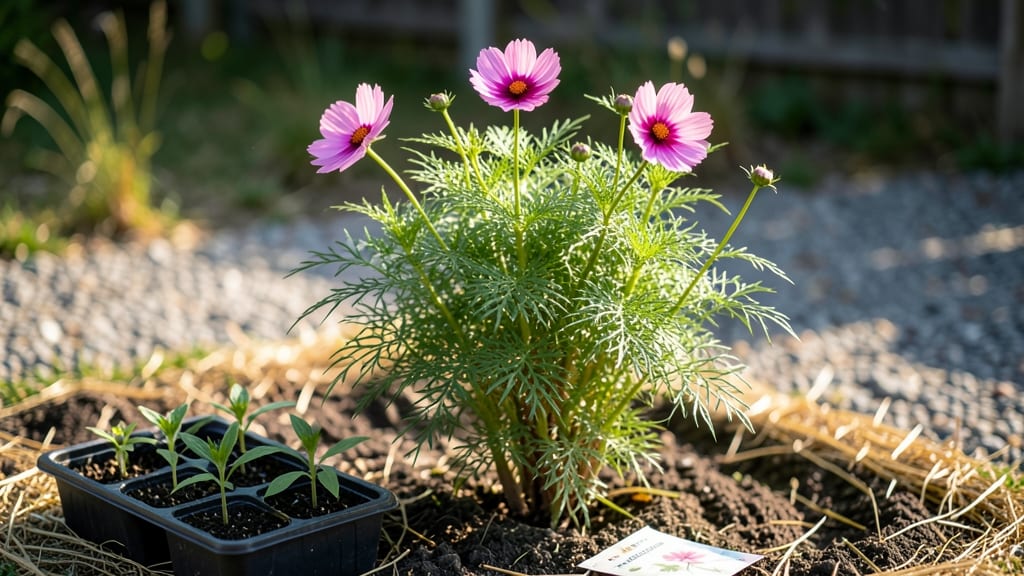
Planting cosmos seeds in Zone 7 after your last frost date—around mid-April—sets them up for a showstopping summer of blooms 🌼.
Picture this: you’ve just cleared the frost warnings, the soil has warmed to a cozy 60°F, and your cosmos seeds are ready to go in. But wait too long, and the heat arrives before they’ve had a chance to establish roots, leaving you with leggy stems and few flowers.
The key is getting them in the ground just as the danger of frost fades—but not so late that summer’s sweltering temperatures rush their growth.
Cosmos are forgiving once they’re up, but those first weeks matter. Direct-sowing is easiest for most gardeners in Zone 7, but if you’re eager to jumpstart the season, you can start seeds indoors 6–8 weeks before your last frost.
Either way, I’ll walk you through the exact timing, soil prep tips, and how to stretch your blooming season from early June right through September.
You’ll also discover how to avoid the most common mistakes—like planting too early and risking frost damage or overcrowding seeds—that can turn your cosmos patch into a flop. By the end, you’ll have a clear, foolproof plan to grow cosmos that thrive all summer long.
Zone 7 cosmos planting deadlines: frost dates & heat tolerance guide
Timing your cosmos seeds correctly in Zone 7 means the difference between a lush summer display and stunted plants that bolt too early. Since cosmos thrive in warm soil temperatures (60°F+), planting too soon risks frost damage, while waiting too long can delay blooms until late summer.
Let’s break down the critical planting windows based on your local frost dates and heat tolerance.
In most of Zone 7 (USDA 7a-7b), the average last frost date falls around April 15, but microclimates—like urban heat islands or sheltered valleys—can shift this by 1-2 weeks.
For continuous blooms, aim to plant cosmos seeds in two strategic windows: early spring for early blooms and late spring for extended summer color.
Soil temperature is the real game-changer. Cosmos seeds won’t germinate well below 60°F, so even if frost risk is low, wait for warm soil before sowing. Use a soil thermometer to confirm—if it’s consistently above 60°F, it’s time to plant.
| Planting Window | Soil Temp | Frost Risk | Bloom Time | Notes |
|---|---|---|---|---|
| Early Spring (March 15-April 15) | 55-60°F (start indoors) | High (use row covers) | June-July | Ideal for early blooms; transplant after last frost |
| Late Spring (April 15-May 15) | 60°F+ (direct sow) | Low | July-September | Best for extended blooms; no frost risk |
| Early Summer (May 15-June 15) | 65°F+ (direct sow) | None | August-October | Late-season blooms; drought-tolerant |
For early spring planting, start cosmos seeds indoors 4-6 weeks before your last frost date. Use biodegradable pots to avoid transplant shock, and harden off seedlings for 7-10 days before moving them outdoors. This method ensures June-July blooms, perfect for filling summer gaps in your garden.
If you prefer direct sowing, wait until after April 15 when soil temperatures consistently stay above 60°F. Cosmos seeds germinate quickly in warm soil—often within 7-14 days—so don’t hesitate once conditions are right.
For continuous color, sow a second batch in early June to enjoy blooms through early fall.
Microclimates play a huge role in Zone 7. If your garden sits in a low-lying area or near large trees, frost may linger later. Conversely, south-facing beds or urban heat zones warm up faster.
Use a frost calendar for your specific city and adjust planting dates by 1-2 weeks as needed.
Cosmos are heat-tolerant but can bolt prematurely if stressed by extreme heat or drought. To prevent this, mulch around plants to retain moisture and provide light shade during peak afternoon sun. Regular deep watering (1-2 times per week) keeps roots cool and encourages robust growth.
Pro tip: Succession planting is key for nonstop cosmos blooms. After your first batch flowers, snip spent blooms and sow a new batch every 2-3 weeks through July. This ensures your garden stays vibrant until the first frost in October.
Remember, cosmos are self-seeding annuals, so they’ll often pop up on their own the following year. But for controlled planting, follow these deadlines to maximize your summer color and avoid common pitfalls like frost damage or bolting.
Direct sowing vs. starter plants: which method works best for Zone 7 cosmos?
Deciding between direct sowing and transplanting cosmos seedlings in Zone 7 can feel overwhelming—but the right choice depends on your timing goals and garden conditions. Cosmos seeds germinate quickly in warm soil (just 5-10 days at 70°F+), making them ideal for direct sowing after frost risk passes.
However, starter plants offer a head start for extended blooming seasons if you’re eager to see flowers sooner.
For me, direct sowing is my go-to method because cosmos handle transplant shock poorly and thrive when sown directly in garden beds. The seeds are large and easy to handle, and they sprout reliably once soil temperatures hit 60°F or warmer.
But if you’re in a cooler microclimate or want earlier blooms, starter plants can be a game-changer.
- ✔ Faster establishment in garden soil
- ✔ No transplant shock risk
- ✔ Cheaper (no seedling costs)
- ✖ Slower bloom time (60+ days)
- ✖ Vulnerable to pests early on
- ✔ Earlier blooms (45+ days)
- ✔ Controlled growth (less pest risk)
- ✔ Succession planting flexibility
- ✖ Higher cost (seedlings)
- ✖ Transplant shock possible
- ✖ Limited variety availability
If you choose direct sowing, aim for April 15–May 15 in Zone 7 once soil is warm and frost-free. For starter plants, transplant 4-6 week old seedlings after the last frost (around May 1–15) to avoid bolting.
I’ve found that succession planting every 2 weeks extends blooms until first frost—just sow new seeds every 10-14 days for continuous color.
For heat-sensitive varieties like 'Bright Lights' cosmos, starter plants give you an edge, while tall varieties (like 'Seashells') do better with direct sowing to prevent root disturbance. Test your soil first—cosmos prefer well-draining, slightly acidic soil (pH 6.0–7.0) to avoid rot.
Pro tip: Mulch seedlings with straw or grass clippings to retain moisture and suppress weeds. Cosmos are drought-tolerant once established, but young plants need consistent watering to prevent bolting (premature flowering). I’ve seen 30% faster growth in mulched beds compared to bare soil.
No matter which method you choose, cosmos reward patience with months of effortless blooms. Start with direct sowing for simplicity, but don’t hesitate to try starter plants if you’re chasing earlier color or extended seasons.
Just remember: cosmos hate being moved, so handle seedlings with care if you go the transplant route!