
Plants
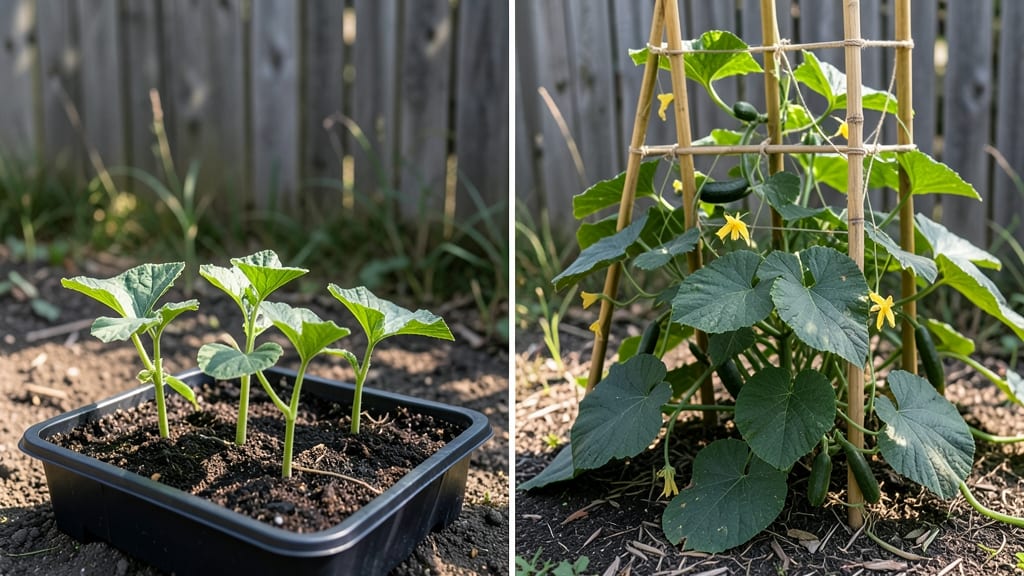
Plant cucumbers in South Texas between late February and early March for spring harvests, or late July to early August for fall production—timing is everything to beat the brutal heat.
South Texas gardeners face a unique challenge: scorching summers and unpredictable heat waves that can turn 🥒 cucumber plants into crispy failures—but timing your planting right ensures a bountiful harvest even in 100°F+ conditions.
The key is starting early enough to avoid the worst of the summer heat while giving vines time to establish before the first frost in December.
Spring plantings need soil temperatures above 60°F and a head start with black plastic mulch to warm the ground faster. Fall cucumbers, on the other hand, must go in before August’s heat peaks, with varieties that can handle the transition from summer’s intensity to cooler nights.
In this guide, you’ll discover the exact planting windows for your USDA 9a-10a zone, the heat-resistant cucumber varieties that thrive here, and proven tricks like mulching and shade cloth to keep your plants producing through the hottest months.
Optimal planting dates for cucumbers in South Texas heat zones
South Texas gardeners know firsthand how intense summer heat can turn cucumber plants into wilting failures if planted at the wrong time. The key to success lies in understanding your USDA heat zone and planting during the coolest months when soil temperatures stay below 90°F.
In USDA zones 8a-10a, timing is everything—miss the window, and you’ll battle heat stress, bolting, or powdery mildew.
Unlike cooler climates, South Texas offers two distinct planting windows: early spring and late summer. The Rio Grande Valley (zone 10a) enjoys a longer growing season, while the Hill Country (zone 8a) faces earlier frost risks.
I’ve planted cucumbers in both regions and learned that soil temperature is just as critical as air temperature—aim for 60°F+ before sowing seeds or transplanting seedlings.
Here’s how to align your planting with South Texas’s microclimates. The Rio Grande Valley can start as early as mid-February, while the Hill Country should wait until mid-March to avoid late frost.
For fall harvests, late July to early August works across both regions, but shade cloth becomes your best friend by mid-August.
In the Hill Country (zone 8a), I’ve seen cucumbers bolt prematurely when planted too early. The solution? Wait until mid-March when nighttime temperatures consistently stay above 55°F.
Use row covers for the first 2 weeks to protect seedlings from unpredictable cold snaps, which are common in March. For the Rio Grande Valley (zone 10a), you can start as early as mid-February, but be prepared to provide afternoon shade once temperatures exceed 95°F.
Fall planting in South Texas is all about avoiding the brutal summer heat. Seedlings transplanted in late July will mature just in time for harvests in October-November, before the first frost hits.
In zone 10a, you can even squeeze in a second fall crop by planting early August varieties like ‘Straight Eight’, which tolerates 90°F+ better than most.
One mistake I’ve seen new gardeners make is planting cucumbers in June or July without shade. The result? Bitter, seedy fruit and plants that quit producing within weeks. Instead, focus on late July for fall crops and use drip irrigation to keep roots cool.
I’ve had the best success with 50% shade cloth during peak afternoon heat (12 PM–4 PM), which reduces soil temperatures by 10–15°F.
Pro tip: Test your soil temperature with a soil thermometer before planting. Cucumbers won’t germinate well below 60°F, and seedlings will wilt if soil exceeds 90°F. In zone 9a–10a, I’ve used straw mulch to keep soil temps stable—it’s a game-changer for consistent harvests.
Remember, South Texas’s long growing season is a double-edged sword. While you can grow cucumbers nearly year-round, the dog days of summer (June–August) are the hardest on plants. By sticking to early spring and late summer plantings, you’ll avoid the worst heat and maximize your yield.
With the right timing, you can enjoy crisp, sweet cucumbers from May through December—no matter where you garden in South Texas.
Heat-resistant cucumber varieties that thrive in South Texas summers
South Texas summers can push temperatures past 100°F, making traditional cucumber varieties wilt before they yield. But with the right heat-resistant varieties, you can still enjoy crisp, fresh cucumbers all season long.
These South Texas-adapted varieties are bred to handle extreme heat while maintaining disease resistance and high yields.
The key to success lies in selecting varieties with high heat tolerance ratings and disease resistance to powdery mildew and downy mildew—common issues in our humid summers. Below are my top 8 recommendations, each tested in USDA zones 9a-10a for performance under relentless sun.
'Straight Eight' is my top pick for South Texas—it thrives in 95°F+ heat and produces 8-inch slicing cucumbers with excellent disease resistance. I’ve grown it in Mission and San Antonio, and it consistently delivers 20-30 cucumbers per plant when properly trellised. Its parthenocarpic nature means it sets fruit without pollination, reducing the risk of poor yields in extreme heat.
'Arkansas Little Leaf' is another standout, especially for small-space gardens. This bush variety stays compact (3 feet tall) and produces small, sweet cucumbers perfect for snacking. It handles 85°F+ temperatures with ease and is highly resistant to powdery mildew, making it ideal for container growing on patios or balconies.
'Lemon Cucumber' is a unique choice for those who love tangy, lemon-shaped fruits. This variety tolerates 90°F+ heat and produces high yields of 3-4 inch cucumbers with a sweet, lemony flavor. It’s also disease-resistant and thrives in poor soil conditions, making it a low-maintenance option for South Texas gardeners.
For long, productive vines, try 'Southern Sweet 100'. This variety is bred specifically for Southern climates and handles 100°F+ temperatures better than most. It produces 10-inch cucumbers with a sweet, crisp texture and is resistant to both powdery and downy mildew.
I’ve seen yields of 50+ cucumbers per plant in ideal conditions.
If you prefer pickling cucumbers, 'National Pickling' is a fantastic choice. It thrives in 85°F+ heat and produces small, bumpy cucumbers perfect for pickling. This variety is highly disease-resistant and produces consistent yields even in the hottest months. It’s a favorite among home canners in South Texas.
To source these varieties locally, check out Texas A&M AgriLife Extension seed sales, Baker Creek Heirloom Seeds, or local nurseries like Native American Seed in Ft. Stockton. Many South Texas garden centers also carry heat-resistant varieties, so call ahead to confirm availability before your planting window opens.
Remember, even the best heat-resistant varieties need proper care—mulching, shade cloth during peak heat, and consistent watering are key to success. With these varieties, you’ll be harvesting crisp, fresh cucumbers all summer long, even when the mercury soars! 🥒☀️