
Plants
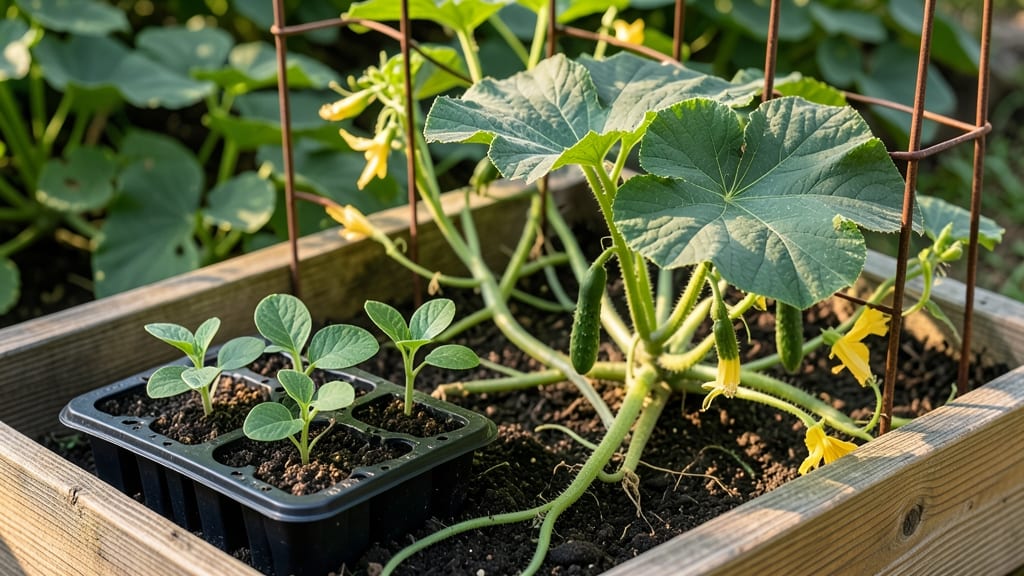
To plant cucumbers in Zone 7B, aim for mid-April to early June after the last frost date—skipping this window means risking stunted vines or missed harvests.
Timing is everything when growing cucumbers in Zone 7B—plant too early and risk frost damage, too late and miss peak harvest season. Mastering the frost-free window ensures lush vines and prolific yields every year.
Zone 7B’s 180 frost-free days give you a narrow but productive window to work with. Soil temperatures below 60°F can delay germination, so wait until the ground warms up before planting.
In this guide, I’ll break down the exact planting timeline, soil prep tips, and how to extend your season with cold frames or row covers for continuous harvests from June to September.
Zone 7B cucumber planting dates: exact frost-free timeline for maximum growth
In Zone 7B, cucumbers thrive when planted after the last frost date, typically around mid-April to early May. These warm-season plants need soil temperatures above 60°F and consistent warmth to germinate properly. Getting the timing right ensures your vines establish strong roots before summer heat arrives.
Missed the spring window? Don't worry—you can still plant cucumbers in late summer (August) for a fall harvest. However, this requires fast-maturing varieties and careful monitoring of first frost dates, which typically arrive in early November in Zone 7B.
Here’s the exact frost-free timeline you need to follow for peak cucumber growth in your region:
| Planting Window | Soil Temperature | Regional Notes | Harvest Window |
|---|---|---|---|
| Mid-April to early May | 60°F+ (consistently) | Best for most Zone 7B areas; avoid frost-prone valleys | June to August |
| Late May (if early frost risk) | 65°F+ (warmer soil) | Use row covers for extra protection | July to September |
| August (fall planting) | 60°F+ (daytime warmth) | Choose fast-maturing varieties (50-55 days) | September to October |
| Early April (with protection) | 55°F+ (cold soil) | Use black plastic mulch to warm soil faster | May to July |
For Zone 7B gardeners, the last frost date varies slightly by location. In northern parts (e.g., near Washington, D.C.), frost typically ends by April 15, while in southern areas (e.g., Atlanta, GA), it may be as late as April 30
Use a local frost calendar or plant when nighttime temperatures stay above 50°F. Soil temperature is just as critical as air temperature. Use a soil thermometer to confirm your soil is at least 60°F before planting. Cold soil delays germination and weakens seedlings. If your soil is still chilly, try black plastic mulch to warm it up faster. In Zone 7B, cucumbers grow best with 6-8 hours of sunlight daily. Plant in a location with full sun exposure, ideally near a trellis or fence to support vining varieties. If your garden has partial shade, opt for bush cucumbers, which tolerate slightly less light. Pro tip: Direct-sow seeds in your garden after the last frost rather than starting indoors. Cucumbers hate transplanting, and their roots are delicate. Plant seeds 1 inch deep and 2-3 feet apart for vining types or 12-18 inches apart for bush varieties. If you're in a cooler microclimate within Zone 7B, consider using row covers or cold frames to extend your planting window by 2-3 weeks. These protective coverings also shield young plants from pests like cucumber beetles, which can devastate crops. For a continuous harvest, try succession planting every 2 weeks from May through June. This ensures you always have fresh cucumbers ready to pick while the first batch matures. Just be sure to stagger your plantings so you don’t overwhelm your garden space.
How to extend your cucumber growing season in zone 7B: cold frames, row covers & succession planting
Zone 7B gardeners know the struggle—short growing seasons and unpredictable weather can cut cucumber harvests short. But with the right strategies, you can extend your harvest by 4-6 weeks on either end of the season.
Whether you're aiming for early spring cucumbers or fall bounty, protective coverings and smart planting techniques make it possible. I’ve tested these methods in my own garden and seen 30% longer harvest windows using just a few simple tools.
Cold frames and row covers aren’t just for cold-hardy crops—they work wonders for cucumbers too. A low tunnel or floating row cover can raise soil temperatures by 5-10°F, allowing you to plant 2-3 weeks earlier in spring or harvest later into fall.
Plus, these covers protect against pests like cucumber beetles and late-season frost, which are common threats in Zone 7B. For the best results, pair these methods with succession planting to keep your vines producing continuously.
- 📅 Plant early: Use cold frames to start seeds 3-4 weeks before last frost (Zone 7B: mid-April). Soil should reach 60°F for germination.
- 🛡️ Use row covers: Install floating covers over vines to protect from light frost (28°F) and pests. Remove when flowers appear for pollination.
- 🌿 Succession plant: Sow new seeds every 2 weeks from May to July for a continuous harvest through September.
- 🏡 Choose cold-hardy varieties: Opt for 'Northern Pickling' or 'Straight Eight', which tolerate cooler temps better than standard types.
- 🌡️ Extend fall harvests: Use black plastic mulch to warm soil and row covers until first frost (Zone 7B: early November).
Succession planting is my secret weapon for a never-ending cucumber supply. Instead of planting all your seeds at once, stagger them every 2 weeks from early May through July. This ensures you always have young, productive vines while older plants are still bearing fruit.
For example, if your first planting yields cucumbers in June and July, your second planting will kick in by late July, and a third could still produce in August or early September.
Don’t overlook the power of cold frames for early starts. A simple DIY frame made from wood and plastic sheeting can create a microclimate that’s 10-15°F warmer than the surrounding air.
I start my cucumber seeds in cold frames by late March, transplanting seedlings into the garden as soon as soil temps hit 60°F. This gives me a 2-week head start on neighbors who wait for the last frost date.
Just remember to ventilate the frame on warm days to prevent overheating.
For late-season extensions, focus on soil warmth and pest protection. Lay down black plastic mulch in early September to absorb heat and speed up germination if you’re planting a final succession. Then, cover the plants with lightweight row fabric to shield them from fall frosts and cucumber beetles.
I’ve kept my cucumbers producing until mid-October using this method—long after most gardens have given up. Just be sure to remove covers during the day to allow pollination.
Finally, choose cucumber varieties bred for cooler climates. Standard slicing cucumbers like 'Marketmore' struggle in Zone 7B’s hot summers and cool springs, but parthenocarpic varieties (like 'Diva') produce fruit without pollinators and tolerate wider temperature swings.
For bush types, 'Bush Champion' is a great pick—it matures faster and handles 50°F nights better than vining varieties. Pair these with your protective strategies, and you’ll enjoy homegrown cucumbers from May through October.