
Plants
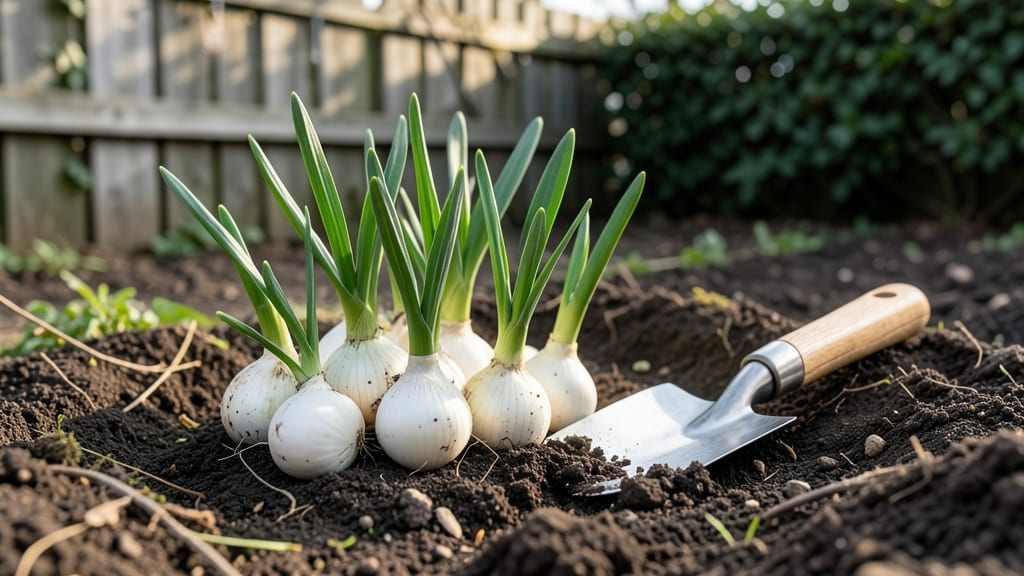
Plant daffodil bulbs in Indiana between mid-October and November to ensure they root before the ground freezes 🌼 — a window that guarantees vibrant spring blooms.
Miss that deadline, and you risk bulbs rotting in soggy soil or sprouting too early, only to be nipped by frost. Indiana’s USDA Zone 6a climate means timing is everything, and one wrong move can turn your spring garden into a sad patch of mud.
Below, I break down the exact frost-free deadlines by zone, soil prep tips to speed root growth, and how to adjust for early or late varieties. No more guessing — just reliable, foolproof planting for your Indiana garden.
You’ll also find out whether spring planting is possible (spoiler: it’s risky), plus a checklist for post-planting care to keep your daffodils thriving through winter. Let’s get those bulbs in the ground the right way.
Indiana daffodil planting deadlines by USDA zone (with frost date map)
Indiana’s USDA zones 5-7 create a delicate balance for daffodil planting—too early, and bulbs rot; too late, and they fail to establish roots before winter. The key is planting 4-6 weeks before the first hard frost, when soil temps drop to 60°F (15°C) but haven’t yet frozen.
Most Indiana gardeners fall into zones 5b-6a, where average first frosts range from October 15 (southern IN) to November 1 (northern IN).
For zone 5, aim to finish planting by mid-October—earlier for tender varieties like Paperwhite daffodils, which need extra protection. In zone 6, you’ve got until late November, but don’t wait too long—bulbs need 6-8 weeks of root growth before winter sets in.
Zone 7 gardeners (southern IN) can push planting to early December, though spring-blooming varieties still prefer fall planting.
Here’s the critical rule: Daffodil bulbs planted in cool (50-60°F/10-15°C) but unfrozen soil thrive best. Use a soil thermometer to check—if temps drop below 40°F (4°C), bulbs may not root properly.
In Indiana, this typically means October-November is your sweet spot, but early September works for pre-chilled bulbs stored in refrigeration.
| USDA Zone | Avg. First Frost | Ideal Planting Window | Soil Temp for Planting | Notes |
|---|---|---|---|---|
| Zone 5b | Oct 15–20 | Sep 15–Oct 15 | 50–60°F (10–15°C) | Use cold-hardy varieties like 'Ice Follies'; mulch after planting. |
| Zone 6a | Oct 25–Nov 1 | Oct 1–Nov 15 | 50–60°F (10–15°C) | Best for early bloomers (Jan–Feb); plant deeper (8") in colder microclimates. |
| Zone 6b | Nov 1–5 | Oct 15–Dec 1 | 50–60°F (10–15°C) | Extend window to early December for zone 7; avoid spring planting. |
| Zone 7a | Nov 10–15 | Nov 1–Dec 10 | 55–65°F (13–18°C) | Spring planting (Feb–March) possible but risky—use only for tender varieties. |
🌡️ Pro Tip: Check soil temps with a thermometer—wait until nighttime lows stay above 40°F (4°C).
Indiana’s microclimates can shift planting deadlines by 2-3 weeks. For example, northern IN (zone 5b) near Lake Michigan may experience frosts by October 10, while southern IN (zone 7a) could delay until December 1.
Use the National Weather Service’s frost maps or local Cooperative Extension offices for real-time adjustments. My own garden in zone 6a near Indianapolis has seen late October frosts in some years, so I plant by October 20 as a safety measure.
Not all daffodil varieties play by the same rules. Early bloomers like 'February Gold' need longer chilling periods (12+ weeks), so plant them by October 1 in zone 5. Late bloomers like 'Peach Sorbet' are more forgiving and can handle November planting in zone 6. Always
Best daffodil varieties for Indiana’s climate (early vs. late bloomers)
Indiana’s unpredictable frost patterns make choosing the right daffodil varieties crucial for reliable spring blooms. Early bloomers like 'Ice Follies' (January-February) brave late frosts, while late varieties such as 'Tête-à-Tête' (April) shine after the last frost. The key? Matching bloom times to your USDA Zone 5-6 frost dates.
Cold-hardy varieties like 'Carlton' and 'February Gold' thrive in Indiana’s chill, while tender types like 'Paperwhite' need indoor forcing or protected beds. For maximum spring color, plant a mix of early, mid-season, and late bloomers to extend your display from February through May.
Early vs. Late Daffodil Varieties for Indiana
Early Bloomers (Jan-Feb)
- ✅ Pros: Brave late frosts, early color
- ✅ Pros: 'Ice Follies' (white), 'Carlton' (yellow)
- ❌ Cons: Shorter bloom time
Mid-Season (Mar)
- ✅ Pros: Peak bloom timing
- ✅ Pros: 'February Gold', 'Tête-à-Tête'
- ✅ Pros: Longer vase life
Late Bloomers (Apr)
- ✅ Pros: Extended season
- ✅ Pros: 'Dutch Master', 'Minnow'
- ❌ Cons: Risk of late frosts
For Indiana's Zone 5-6, prioritize cold-hardy varieties like 'Ice Follies' (white) or 'February Gold' (yellow). These varieties handle 20°F temperatures and often rebloom. Plant them in October-November for winter root establishment.
If you love tender varieties like 'Paperwhite', force them indoors in late fall or plant in containers that can move to sheltered spots. These won’t survive Indiana winters outdoors but create indoor winter blooms from November through February.
Pro tip: Combine 3-5 varieties for a staggered bloom effect. Plant 'Carlton' (early) near 'Tête-à-Tête' (mid) and 'Minnow' (late) for continuous color. Mulch with 3-4 inches of straw after planting to protect bulbs from freeze-thaw cycles.
Remember: Indiana’s last frost date varies by 1-2 weeks across the state. Check your local USDA Zone 5a-6b for precise timing—northern Indiana may need earlier planting than southern areas. 🌼