
Plants
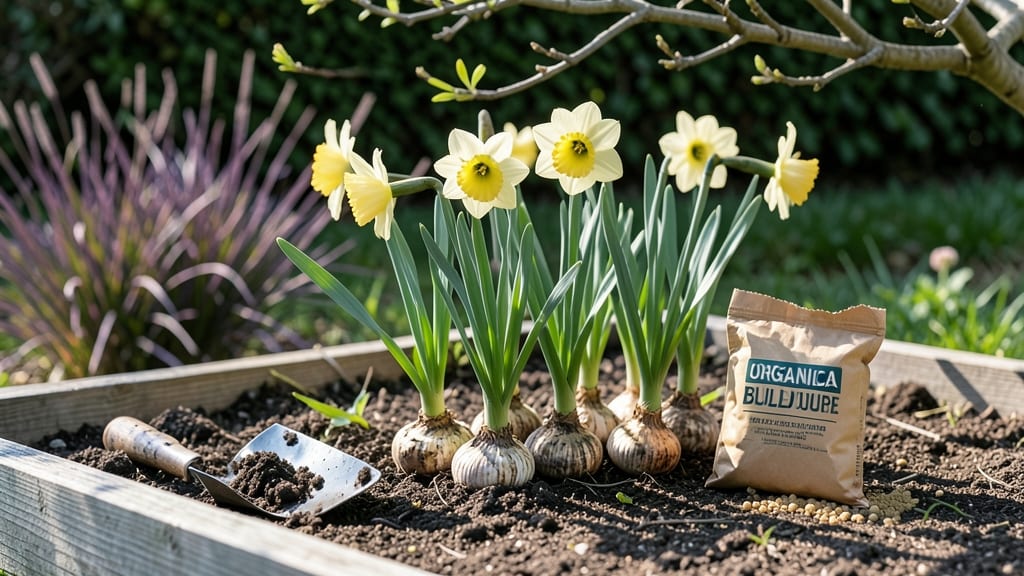
Planting daffodils in Massachusetts during fall ensures vibrant spring blooms 🌼, but timing is everything in Zone 6a’s unpredictable climate.
Massachusetts gardeners know timing is everything—and planting daffodils too early or late can mean the difference between vibrant spring blooms and wasted effort. With USDA Zone 6a’s unpredictable frosts, mastering the perfect window ensures your bulbs thrive year after year.
Most gardeners aim for late October or early November, when soil temperatures drop below 50°F but before the ground freezes solid. Planting too early risks rot, while waiting too long leaves bulbs vulnerable to winter’s harshest chill.
Below, I’ll break down the ideal planting schedule, soil prep tips, and how to protect your daffodils through winter—so you can enjoy those cheerful blooms come April.
Optimal planting windows for Massachusetts daffodils by month
Massachusetts gardeners face a delicate balance when planting daffodils—too early and bulbs may rot in warm soils, too late and they won’t establish roots before winter.
In USDA Zone 5B, the ideal window spans September through November, but regional microclimates (like Boston’s coastal moderation vs. Worcester’s colder inland zones) shift these dates by 1-2 weeks. Let’s break down the best months and what to watch for.
The 6-8 week rule is your golden guideline: plant daffodil bulbs 6-8 weeks before average first frost (typically mid-October in most of MA). This ensures roots establish while soil temps stay above 40°F.
Northern MA (e.g., Greenfield) may need to start by late September, while Southern MA (e.g., Cape Cod) can wait until early November.
Soil temperature is critical—daffodils need 40-50°F soil to root but not below 32°F to avoid frost damage. Use a soil thermometer or the "sock test": bury a damp sock overnight; if it’s chilly but not frozen, soil’s ready.
In Zone 5B, this usually aligns with late October for most regions.
| Month | Northern MA (e.g., Greenfield) | Central MA (e.g., Worcester) | Southern MA (e.g., Boston) | Risk Factors |
|---|---|---|---|---|
| September | Early Sept (if soil <50°F) | Late Sept | Too early (soil too warm) | Rot risk if planted too soon |
| October | Ideal (early-mid Oct) | Best window (late Oct) | Perfect timing | Balanced root growth |
| November | Late Nov (if soil unfrozen) | Risky (soil may freeze) | Too late (root establishment poor) | Frost damage likely |
| December | Not recommended | Not recommended | Not recommended | Bulbs won’t root before freeze |
🌱 Note: Adjust 1 week earlier for high-elevation areas (e.g., Berkshires) or 1 week later for coastal zones (e.g., Plymouth).
Early planting (September) in Southern MA risks soil-borne diseases if temps stay above 60°F. Wait until late September in Boston to avoid this. Conversely, late November plantings in Northern MA often fail because bulbs don’t establish roots before consistent freezing sets in.
Microclimates matter: Urban heat islands (like Boston’s Back Bay) can keep soil 5-10°F warmer than rural areas, extending your planting window by 10-14 days. Use a shade cloth or mulch heavily if planting in early September to cool the soil.
Pro tip: Mulch after planting with 2-3 inches of straw to insulate bulbs. This creates a 5-10°F warmer microclimate around roots, protecting them from early frosts and helping them establish faster. Remove mulch in early spring once shoots emerge.
If you miss the fall window, spring planting is possible but not ideal. Daffodils planted in March-April may bloom that year, but they’ll need extra care—like weekly watering and shade cloth during heatwaves—to compensate for skipped dormancy. Yield and longevity suffer compared to fall-planted bulbs.
For container gardening, adjust your timeline by 1-2 weeks earlier—pots cool faster than in-ground soil. Use black plastic pots to absorb heat and extend the planting window by
Signs your Massachusetts soil is ready for daffodil planting
Daffodils thrive when planted in cool, moist soil—but how do you know when your Massachusetts garden is just right? The key lies in understanding soil temperature, moisture levels, and subtle visual cues.
In USDA Zone 5B, daffodil bulbs need 6-8 weeks to establish roots before winter sets in. If you plant too early, they may sprout prematurely and get damaged by frost. Too late, and they won’t root deeply enough for spring blooms.
Without a fancy soil thermometer, you can still gauge readiness using simple tricks. Earthworm activity is a telltale sign—when you see them surfacing, the soil is cooling but still workable. Another clue? Grass and weeds will start turning brown as temperatures drop, signaling it’s time to prep your beds.
For clay-heavy soils common in Western MA, add compost or sand to improve drainage, while sandy soils in coastal areas may need extra organic matter to retain moisture.
- 🌡️ Soil temp between 40–50°F (test by pressing your hand 3" deep—should feel cool but not icy).
- 🐛 Earthworms are active at the soil surface (they avoid freezing temps).
- 🌱 Grass and weeds are browning (signs of cooling air temps).
- 💧 Moisture level is even—not soggy, not bone-dry (squeeze a handful; it should hold shape lightly).
- 🌿 No more than 6–8 weeks until first frost (check your local MA frost date—typically mid-October).
For clay-heavy soils (common in Worcester or Springfield), improve drainage by mixing in 2–3 inches of compost or coarse sand before planting. If your soil is sandy (like in coastal areas), amend it with peat moss or aged manure to help retain moisture.
A quick test: Dig a 6-inch hole, fill it with water, and see how long it takes to drain. If it disappears in under 30 minutes, your soil drains too fast—add organic matter.
Once your soil passes these checks, it’s time to plant! Daffodil bulbs should go 6 inches deep in well-draining soil, with 3–4 inches between bulbs. After planting, water deeply to settle the soil and encourage root growth.
In Northern MA, aim for late September to early October, while Southern MA gardeners can extend planting until mid-November. Just remember: cooler temps and moisture are your allies!
Pro tip: Mark your planting spots with biodegradable flags so you don’t accidentally dig them up in spring. Daffodils need their leaves to photosynthesize for 6–8 weeks after blooming to store energy for next year.
If you remove leaves too soon, you’ll sacrifice next season’s flowers. With the right soil prep, your USDA Zone 5B daffodils will reward you with bold, cheerful blooms year after year.
Don’t wait until the last minute—early fall planting gives bulbs the best chance to root deeply. If you miss the window, you can still plant in early winter (as long as the ground isn’t frozen), but growth will be slower.
Now grab your gloves and get digging—your spring garden will thank you! 🌼