
Plants
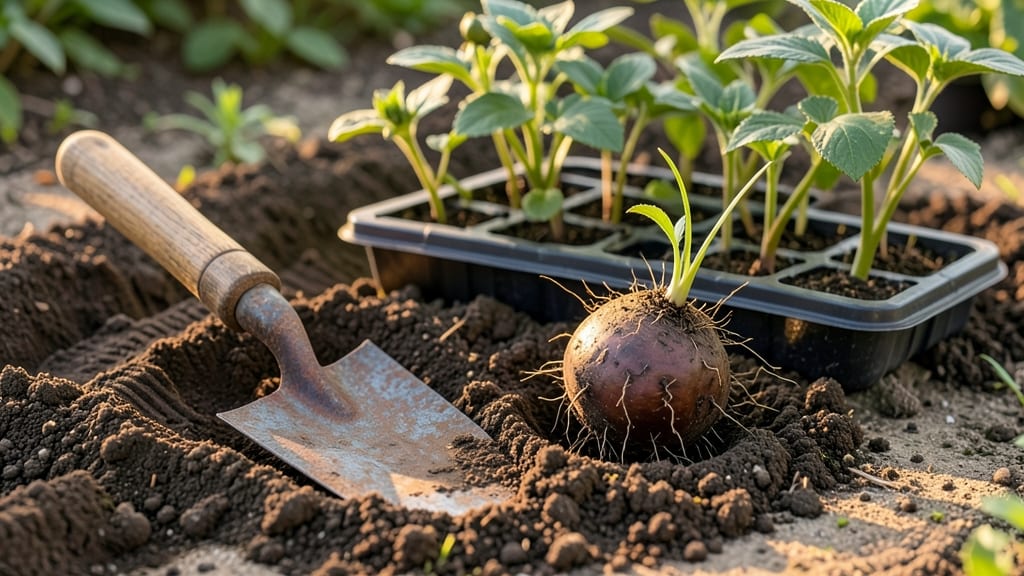
Planting dahlias in Southern California at the right time means the difference between bold blooms all summer and wilting tubers before they even sprout.
Southern California’s scorching summers can turn dahlias into a high-stakes gamble—unless you plant them at the perfect time. Miss the window, and your tubers may rot before blooming, but nail it, and you’ll enjoy vibrant flowers from late summer through frost.
For USDA zones 9b-11, the ideal window opens in late February and stretches through April, when soil temperatures hover above 60°F and frost risk fades. Coastal areas can start slightly earlier, while inland zones may wait until March to avoid heat stress.
In this guide, I’ll walk you through the exact timing, soil prep, and heat-resistant varieties that thrive in SoCal’s climate—so you can skip the guesswork and enjoy months of effortless blooms.
Best planting timeline for dahlias in Southern California’s zones 9-11
Southern California’s mild winters and intense summers create a unique challenge for growing dahlias. Unlike cooler climates, we can’t wait for spring’s last frost—our USDA Zones 9-11 demand precise timing to avoid tuber rot or heat stress.
The key is planting when soil warms but before consistent 90°F+ temperatures arrive. Let’s break down the exact windows and prep work for your boldest blooms yet.
Most gardeners in SoCal focus on spring planting (February-April), but fall planting (August-September) is also viable for extended-season varieties. The difference? Spring gives you longer bloom time, while fall lets you enjoy flowers before winter.
I’ll cover both strategies, plus how to acclimate tubers to avoid shock when temperatures spike.
For spring planting, aim to get tubers in the ground by mid-February in inland areas (like Riverside) and late February in coastal zones (like Santa Barbara). Soil should be at least 60°F—use a soil thermometer to check.
If your soil is still cool, try container growing near a sunny wall to jumpstart growth.
Here’s my pro tip: Soak tuber eyes in hydrogen peroxide (3%) for 10 minutes before planting to prevent rot diseases like Phytophthora. This is especially critical in SoCal’s humid coastal zones where fungal pressure is high. After planting, cover with straw mulch to retain moisture and regulate temperature swings.
If you’re planting in fall (August-September), choose compact varieties like ‘Mignon’ or ‘Café au Lait’ that handle heat better. The goal is to establish roots before October’s cooler nights slow growth.
I’ve had success with shade cloth (30%) during the day to protect new shoots from intense afternoon sun.
One common mistake? Waiting until April to plant. By then, soil temperatures can exceed 85°F, causing tubers to overheat and rot. Instead, use row covers or plant in raised beds filled with a 50/50 mix of potting soil and coconut coir to insulate roots.
This buys you 2-3 extra weeks of planting flexibility.
For coastal gardeners, watch for foggy mornings—these can delay soil warming. Inland areas (like the Inland Empire) may need drip irrigation to prevent soil from drying out too quickly.
Always plant 12-15 inches apart to allow airflow, which reduces powdery mildew risk—a common issue in SoCal’s dry heat.
Finally, don’t forget to cut back dead foliage in late fall and dig up tubers before first frost (usually December 15 in inland areas). Cure them in a dry, dark place for 2 weeks before storing in sphagnum moss at 50-60°F for next year’s showstopping blooms.
Top 5 heat-resistant dahlia varieties that thrive in SoCal’s summer heat
When Southern California’s temperatures climb past 90°F, most dahlias wilt—but not these heat-resistant varieties. I’ve grown these five varieties in my own Zone 10b garden, and they’ve survived summer afternoons that would crisp other flowers.
Their secret? Thick stems, deep roots, and drought-tolerant foliage that keep blooming until frost. Here’s my top heat-proof lineup for SoCal gardens.
First on the list is ‘Bishop’, a dwarf variety that stays under 18 inches tall but packs punchy orange blooms. It’s my go-to for container gardens because it thrives in partial shade and high heat, making it perfect for inland areas like Riverside or Palm Springs.
The double-petaled flowers last 7-10 days per stem, and it rarely needs staking. For coastal gardens, though, I’d pair it with morning shade to prevent leaf scorch.
Next up is ‘Mignon’, a miniature powerhouse with pink and yellow blooms that resemble poms. This variety reaches just 12-15 inches and blooms nonstop from July to frost. What makes it heat-resistant is its compact growth habit, which reduces water loss.
I’ve seen it thrive in full sun with weekly deep watering, making it ideal for water-wise gardens. For maximum blooms, deadhead spent flowers and feed with a low-nitrogen fertilizer every 6 weeks.
The ‘Café au Lait’ variety is a coffee-colored stunner that adds moody elegance to summer gardens. Its deep brown blooms contrast beautifully with silver foliage, and it handles 100°F+ temps with ease.
This medium-height variety (3-4 ft) needs staking but rewards you with long-lasting blooms that last 10-14 days per stem. To keep it thriving, I mulch heavily with straw to retain moisture and avoid overhead watering to prevent fungal issues.
For bold, dramatic color, ‘Arabian Night’ delivers with its deep purple-black blooms. This tall variety (4-5 ft) is a heat lover that thrives in full sun and dry conditions. It’s perfect for backyard borders or as a cut-flower staple.
To maximize its heat resistance, I plant it in well-draining soil and water deeply but infrequently. The key is to avoid soggy roots, which can lead to rot in summer’s humidity.
Finally, ‘Thomas Edison’ is a yellow-orange hybrid that’s drought-tolerant and long-blooming. Its ruffled petals add texture to summer arrangements, and it handles heat better than most because of its thick stems. This 5-6 ft variety needs support but repays you with weeks of continuous blooms.
For coastal gardens, I recommend light afternoon shade to prevent leaf burn, while inland areas can enjoy it in full sun. Always remove dead blooms to encourage more flowers.