
Plants
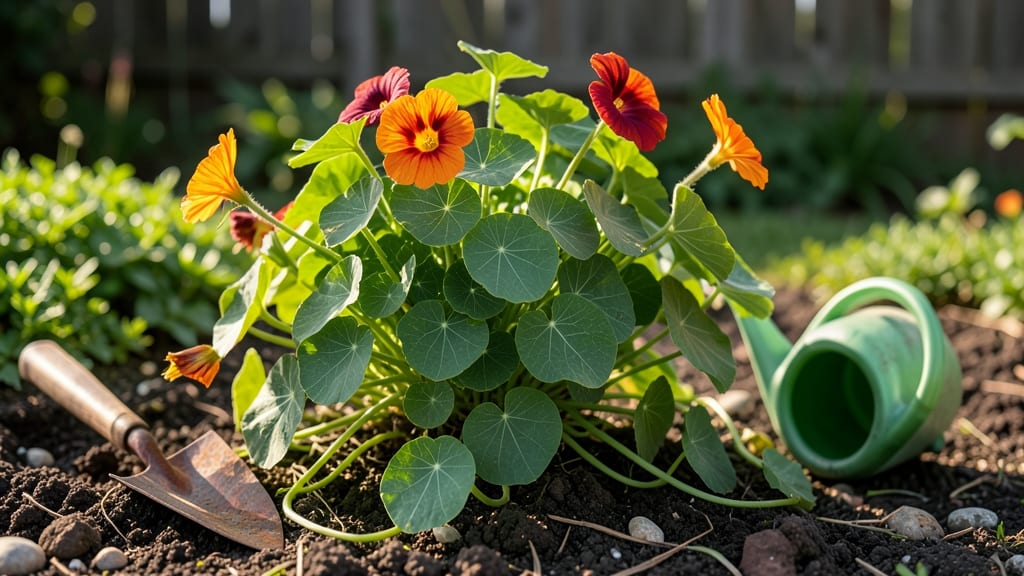
To plant nasturtium seeds in Southern California, aim for fall through early spring when temperatures stay mild and steady—this is when they thrive fastest in the region’s microclimates.
Southern California’s diverse microclimates—from coastal breezes to inland heat—can turn nasturtium planting into a guessing game, but timing is everything for vibrant blooms that last all season.
Skip the summer heatwave, which can stress seedlings, and instead choose cooler months like October through March for the fastest germination and brightest blooms.
Below, I’ll break down the exact planting windows by region, soil prep tips, and watering tricks to ensure your 🌸 nasturtiums pop up quickly and keep flowering all season long.
Southern California microclimate planting zones for nasturtium seeds
Southern California’s microclimates create unique challenges for nasturtium seed germination. Coastal areas enjoy mild winters and cool summers, while inland desert regions face intense heat and dry conditions. Understanding these zones helps you plant nasturtiums at the perfect time for fast, vibrant blooms year-round.
Nasturtiums thrive in USDA Zones 9b-11, but their optimal planting windows shift dramatically between coastal, inland, and desert regions. Coastal areas can plant almost year-round, while desert zones need cool-season timing to avoid heat stress. Let’s break down the best planting deadlines for each microclimate.
Optimal soil temperature for nasturtium germination is 60-70°F. Coastal regions hit this range in early spring and fall, while inland areas may need winter planting to avoid summer heat. Desert zones often require shade cloth during peak summer months to protect seedlings.
| Microclimate Zone | Best Planting Window | Soil Temp for Germination | Heat Tolerance Threshold | Frost Risk |
|---|---|---|---|---|
| Coastal (LA, San Diego) | September–November, February–April | 60–70°F (ideal), 55°F (min) | Up to 85°F (partial shade needed) | None (frost-free year-round) |
| Inland (San Fernando Valley, Riverside) | October–December, January–March | 65–75°F (ideal), 60°F (min) | Up to 90°F (afternoon shade required) | None (rare light frost in high elevations) |
| Desert (Palm Springs, Joshua Tree) | September–October, February–March | 70–80°F (ideal), 65°F (min) | Up to 100°F (shade cloth + evening watering) | None (extreme heat risk, not frost) |
In coastal regions, nasturtium seeds germinate quickly in fall and spring when soil temperatures stay between 60-70°F. Areas like Malibu or Santa Barbara can even plant in winter for early blooms, thanks to their mild coastal climate.
Just avoid planting in summer heatwaves, which can cause seed rot.
For inland zones, focus on cool-season planting from October to March. The San Fernando Valley and Riverside benefit from winter rains, making this the perfect time to sow seeds. Use mulch to retain moisture and protect seedlings from temperature swings between day and night.
Desert microclimates demand extra care due to intense summer heat. Plant only in early fall or late winter when daytime temps drop below 85°F. Use shade cloth (30-50%) and water deeply in the evening to prevent heat stress. Varieties like ‘Alaska’ or ‘Empress of India’ handle desert conditions better than others.
Pro tip: Test your soil temperature with a soil thermometer before planting. Nasturtium seeds need consistent warmth to germinate—if your soil is below 55°F, wait a week or two. Coastal gardeners can plant year-round, but inland and desert gardeners should avoid summer planting unless using shade solutions.
Once your nasturtium seeds sprout, provide bright, indirect light for the first week to prevent leggy seedlings. Thin seedlings to 6-12 inches apart to ensure proper airflow and reduce disease risk. In desert zones, consider container growing for easier temperature control.
With the right microclimate timing, your nasturtiums will reward you with bold blooms from early spring to late fall. Coastal gardeners enjoy near-continuous blooms, while inland and desert gardeners can still get stunning seasonal displays with careful planning. Happy planting!
Step-by-step planting timeline for fast nasturtium blooms
Nasturtiums thrive in Southern California’s mild winters and coastal breezes, but timing your planting ensures vibrant blooms within 4-8 weeks. The key is avoiding summer heatwaves (above 85°F) and leveraging cooler months for germination.
Whether you're in coastal Santa Barbara or inland Riverside, this month-by-month guide keeps your nasturtiums blooming from fall to spring.
Start with well-draining soil and a location with 6+ hours of sunlight daily. Nasturtium seeds need consistent moisture but hate soggy roots—amend heavy soil with compost or sand for optimal drainage. Partial shade during summer months (June-August) protects delicate seedlings from scorching.
🌱 Your Month-by-Month Nasturtium Planting Plan
- September-October: Best time to plant! Soil temps are 65-75°F. Sow seeds ½ inch deep, spacing 12-18 inches apart. Water daily until germination (5-14 days). Use shade cloth if temps exceed 80°F.
- November-December: Ideal germination window. Plant in full sun with morning watering only. Add mulch to retain moisture. Expect first blooms in 6-8 weeks.
- January-February: Cooler, wetter months = faster growth. Thin seedlings to 12 inches apart. Apply light fertilizer (5-10-10) if leaves are pale. Watch for aphids—spray with neem oil if needed.
- March-April: Last chance for spring blooms. Plant shade-tolerant varieties (e.g., 'Alaska') if temps rise above 75°F. Deadhead spent blooms to encourage new flowers. Reduce watering to every 7-10 days.
- May-August: Skip planting—focus on succession sowing in partial shade (e.g., under trees). Water deeply every 10-14 days to prevent wilting. Harvest leaves/flowers for culinary use.
For year-round blooms, stagger plantings every 4-6 weeks from September to March. Use container gardening for patios or balconies—nasturtiums thrive in 5-gallon pots with drainage holes. Mix seeds with companion plants like basil or tomatoes to deter pests naturally.
After planting, monitor for powdery mildew in humid coastal areas. Improve airflow by pruning leggy vines and avoid overhead watering. Drought-tolerant varieties (e.g., 'Jewel Mix') need less water once established, making them perfect for low-maintenance gardens.
Pro tip: Save seeds from your healthiest plants! Let a few flowers fully mature on the vine—they’ll produce viable seeds for next season. Store them in a cool, dry place until your next fall planting.