
Plants
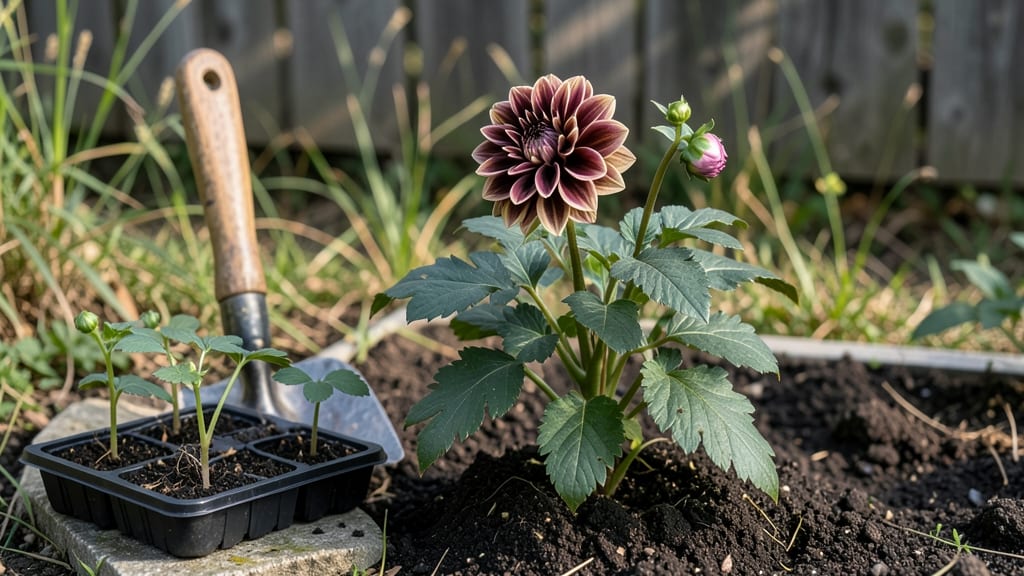
Planting dahlias in Zone 8 about 4-6 weeks after your last frost — roughly mid-April — is the golden ticket to bold summer blooms and a garden that turns heads.
Picture this: you’ve been waiting all winter for those dramatic 🌸 dahlias to burst into color, but if you plant too early, you risk rot from lingering cold soil. Too late, and your blooms arrive just as summer fades. The timing matters more than you think.
Most gardeners in Zone 8 focus on frost dates, but the real secret is soil temperature. Dahlias need the ground to warm up to at least 60°F before you tuck those tubers into the earth.
That’s why even if your last frost is in early March, you’ll still wait until late April to plant.
In this guide, I’ll break down the exact weeks to plant, how to prep your soil for maximum growth, and the one mistake that kills more dahlia tubers than frost ever will. Let’s get those blooms on schedule!
Zone 8 dahlia planting calendar: exact weeks before last frost for peak blooms
Timing your dahlia tubers in Zone 8 requires precision—plant too early and risk rot from lingering cold, too late and miss peak summer blooms. The average last frost date in Zone 8 falls around March 15, but your exact window depends on soil temperature and microclimates.
For heat-tolerant varieties, you can push boundaries with later starts, but standard dahlias thrive when planted 4-6 weeks after frost.
Soil temperature is the critical factor—dahlias won’t sprout until the ground reaches 60°F (15°C). In Zone 8, this typically occurs 2-4 weeks after last frost, giving you a narrow but actionable window.
My go-to method is testing soil with a thermometer (or waiting until you can comfortably leave a bare foot on the ground for 5 minutes).
Here’s your Zone 8 dahlia planting timeline, broken down by method and variety type:
| Stage | Action | Soil Temp | Zone 8 Window | Notes |
|---|---|---|---|---|
| Prep Tubers Indoors | Soak tubers 24 hrs, cut damaged areas | N/A | Late Feb - Early Mar | Prevents rot; use sand or perlite for drainage |
| Start Indoors (Optional) | Sprout in pots, 60-65°F soil | 60°F+ | Early Mar | For late starts or heat-tolerant varieties |
| Direct Plant Tubers | Plant 4-6" deep, eyes up | 60°F+ | Mid-Apr - Early May | Best for standard varieties |
| Transplant Starters | Move hardened-off plants | 55°F+ | Late Apr - Early May | Use for giant/dinnerplate varieties |
| Late Planting (Risk) | Direct sow after May 15 | 65°F+ | Late May - Early Jun | Only heat-tolerant varieties |
For standard dahlias, I recommend planting tubers directly in the garden 4-6 weeks after last frost—typically mid-April to early May in Zone 8. This gives your plants 8-10 weeks to establish roots before summer heat peaks.
If you’re growing dinnerplate varieties or giant blooms, start tubers indoors in early March for a head start.
Microclimates can shift your timeline by 2-3 weeks. Coastal areas (like San Diego) may plant as late as May 1 thanks to warmer soils, while inland valleys (like Phoenix) can start tubers in early April.
Always check your local USDA frost map and monitor soil temps with a probe—60°F is non-negotiable for germination.
Pro tip: If your soil stays cool, use black plastic mulch to warm it faster. I’ve seen 10°F temperature jumps in just 3 days with this method. For late starts, choose heat-tolerant varieties like ‘Café au Lait’ or ‘Bishop’—they handle 90°F+ soil better than standard types.
After planting, mulch heavily with straw to retain moisture and prevent soil temp swings. Dahlias in Zone 8 need consistent warmth to bloom reliably, so avoid planting near reflective surfaces (like concrete) that can cause temperature fluctuations.
Water deeply 2-3 times per week once established, aiming for 1-2 gallons per plant during dry spells.
Remember: Dahlias are short-lived perennials in Zone 8—they’ll die back with
5 Critical factors that change your dahlia planting window in Zone 8
Planting dahlias in Zone 8 isn't one-size-fits-all—your ideal window shifts based on soil warmth, tuber size, and even local wind patterns. Unlike cooler zones, Zone 8's mild winters and hot summers demand precision.
For example, Santa Ana winds can dry out tubers faster, while dinnerplate varieties need extra time to establish their massive root systems. Let's break down the factors that could adjust your planting date by 2-4 weeks either way.
First, soil temperature is your #1 guide. Dahlias won't thrive until the soil hits 60°F (15°C)—a threshold often reached 4-6 weeks after last frost in Zone 8. But in coastal areas like San Diego, soils warm faster (by 2 weeks), while inland valleys may need to wait.
Use a soil thermometer to confirm—planting too early when soils are still cool leads to rotten tubers and stunted growth.
Tuber size also dictates timing. Small tubers (under 2 inches) need 6-8 weeks to establish before blooming, while large tubers (3+ inches) can handle 4-5 weeks of establishment. This means a 2-week difference in planting dates between your baby dahlias and mature tubers. For example, if you plant dinnerplate varieties (which often come as large tubers), you can start 2 weeks earlier than smaller pompon types.
🌱 Numbered Highlights: Adjust Your Zone 8 Dahlia Planting Window
- Soil Warmth: Wait until soil hits 60°F (15°C)—typically 4-6 weeks after last frost (March 15 in Zone 8). Coastal areas may be ready 2 weeks earlier.
- Tuber Size: Large tubers (>3") can plant 2 weeks earlier than small tubers (<2"). Dinnerplate varieties benefit from earlier starts.
- Variety Type: Standard dahlias (4-7 ft) need 6-8 weeks to bloom; dwarf varieties can bloom in 4-5 weeks if planted later.
- Local Winds: Santa Ana winds (common in SoCal) dry soil faster—plant 1-2 weeks later in exposed areas or mulch heavily.
- Microclimates: Inland valleys (e.g., Riverside) may need to wait 1-2 weeks longer than coastal zones for soil warmth.
Don't overlook your dahlia variety. Standard varieties (4-7 ft tall) need 6-8 weeks to reach their full bloom potential, while dwarf or semi-dwarf types can handle a 4-5 week establishment period.
This means if you're growing Café au Lait (a classic dinnerplate), you'll want to plant 2 weeks earlier than a Mignon series pompon. Pro tip: Check your variety's days to maturity—this is your best guide for adjusting timing.
Local weather patterns can shift your window by 1-3 weeks. In Southern California, Santa Ana winds (hot, dry winds) can dry out freshly planted tubers, so consider delaying planting by 1-2 weeks in wind-prone areas. Alternatively, add 3-4 inches of mulch to retain moisture. Conversely, coastal fog (like in Santa Barbara) keeps soils cooler longer—plant 1-2 weeks later than inland areas to avoid tuber rot.
Finally, microclimates within Zone 8 create 2-4 week differences. For example, Riverside's inland valleys often have warmer soils by early April, while coastal Malibu may not reach 60°F until late April.
Use your local weather station data or ask nearby gardeners—their actual planting dates will be more accurate than general Zone 8 guidelines. A quick call to your county extension office can provide hyper-local insights.
By accounting for these 5 critical factors, you'll fine-tune your Zone 8 dahlia planting window to ensure bold blooms all summer long—without the guesswork. Start with soil temperature, adjust for tuber size and variety, then tweak for your local winds and microclimate.
Your dahlias will thank you with vibrant, long-lasting flowers from July through frost. 🌸