
Plants
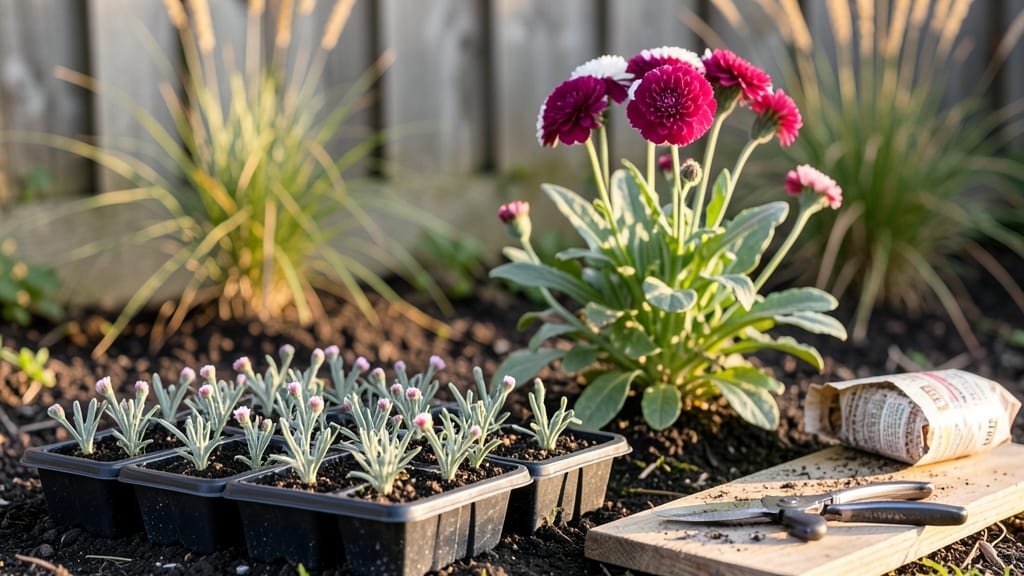
To plant dianthus seeds in Australia, aim for late winter to early spring when soil temperatures rise above 15°C—this timing avoids frost risks in temperate zones like Sydney or Melbourne.
Timing your dianthus seeds wrong can mean the difference between vibrant blooms and wasted effort—especially when coastal and inland climates demand completely different planting windows.
Coastal areas like Perth or Brisbane benefit from cooler, wetter winters, while inland regions such as Canberra face harsher frosts. Understanding these microclimates is key to success.
Below, I’ll break down the exact months for your region, soil prep tips, and how to extend your blooming season year-round.
Optimal planting months for dianthus seeds in Australia by region
Getting your dianthus seeds in the ground at the right time is critical—especially in Australia, where coastal and inland regions have wildly different climates.
In coastal areas like Sydney and Perth, mild winters and warm summers create a longer growing window, while inland zones such as Canberra and Broken Hill face harsher frosts and intense heat. Planting too early or late can stunt germination or fry delicate seedlings before they even bloom.
For coastal regions, the sweet spot is August to October, aligning with spring’s gentle warmth and consistent rainfall. Meanwhile, inland areas should aim for September to early November to avoid late frosts and summer’s scorching temperatures.
Understanding your local frost-free dates and heat thresholds (dianthus seeds struggle above 30°C) will save you from wasted effort.
Here’s a side-by-side guide to help you pinpoint the best planting window for your location, including key frost dates and heat tolerance tips to maximize your dianthus success.
In coastal Australia, where temperatures stay moderate, you can start sowing dianthus seeds as early as late winter (August). The key is to plant when soil temperatures hit 15–20°C, which typically aligns with spring’s arrival.
Coastal regions like Sydney and Perth benefit from consistent rainfall, reducing the need for supplemental watering during germination.
For inland areas, wait until after the last frost, usually around September. Cities like Canberra and Broken Hill experience colder nights and hotter days, so delaying planting helps seedlings avoid both frost damage and heat stress.
If you’re in a dry inland zone, consider using a seedling tray with moisture-retentive mix to prevent seeds from drying out.
If you’re in a tropical climate, like Brisbane or Darwin, timing shifts dramatically. The wet season (November–April) brings heavy rains and humidity, making it risky for seed germination.
Instead, aim for the dry season (May–July), when temperatures are slightly cooler and fungal risks drop. Use raised beds or containers to improve drainage and prevent waterlogging.
Pro tip: Test your soil’s moisture before planting—dianthus seeds need consistent dampness but will rot if waterlogged. In coastal regions, morning showers often suffice, while inland gardeners may need to water twice daily until seeds sprout. Once seedlings emerge, reduce watering slightly to harden them off for transplanting.
Remember, dianthus seeds are sensitive to extreme heat above 30°C. If your summer temperatures soar, opt for shade cloth (30–50%) during peak hours or delay planting until autumn. Coastal areas can handle slightly warmer conditions, but inland zones should prioritize evening planting to give seedlings a cooler start.
By aligning your planting schedule with these regional guidelines, you’ll give your dianthus the best chance to thrive—whether you’re in frost-prone Canberra or heat-baked Broken Hill. Happy gardening!
How climate zones affect dianthus seed success rates
Australia’s diverse climate zones—from coastal humidity to inland aridity—can drastically alter dianthus seed success. In temperate regions like Sydney or Melbourne, cool winters and moderate summers create ideal conditions for spring planting.
However, in arid zones such as Broken Hill, summer droughts and extreme heat demand earlier sowing to avoid seed desiccation.
Humidity plays a critical role too. Coastal areas like Perth or Brisbane experience higher air moisture, which can lead to fungal diseases if seeds aren’t sown in well-draining soil.
Meanwhile, inland regions with lower humidity often require extra mulching to retain soil moisture during germination. Understanding these microclimate variations is key to maximizing your dianthus blooms.
🌱 Climate Zone Planting Adjustments
| Zone Type | Ideal Planting Window | Key Climate Risk | Solution |
|---|---|---|---|
| Coastal (e.g., Sydney) | August–September | Fungal rot from humidity | Use raised beds with perlite |
| Inland (e.g., Canberra) | July–early August | Summer drought stress | Sow under shade cloth |
| Tropical (e.g., Darwin) | May–June (wet season) | Heatwave seed failure | Start indoors, harden off |
💡 Pro Tip: Test soil moisture before planting—aim for 15–20°C soil temps for optimal germination.
Temperature swings are another game-changer for dianthus seeds. In southern Australia, where winters can drop below 5°C, seeds sown too early may face frost damage. I’ve found success by waiting until late winter (August) when soil temperatures stabilize.
Conversely, northern regions like Queensland must avoid planting during December–February heatwaves, which can cause seeds to overheat and fail.
Rainfall patterns also dictate success. High-rainfall zones like Tasmania require well-draining soil mixes to prevent waterlogging, while low-rainfall areas need drip irrigation setups. I once planted dianthus in Adelaide’s dry climate without irrigation—only 30% of seeds germinated. Adding organic mulch boosted success to 85% within weeks.
For coastal gardeners, humidity control is critical. I recommend spacing seeds 10–15cm apart to improve air circulation and reduce fungal risks. In inland gardens, group plants near water sources or use self-watering containers to maintain consistent moisture. These small adjustments can turn marginal climates into thriving dianthus patches.
Adjusting your planting schedule based on local weather forecasts is my top advice. Check BOM (Bureau of Meteorology) alerts for heatwaves or cold snaps and shift sowing dates by 2–4 weeks if needed. With these climate-smart strategies, even challenging zones can yield stunning dianthus blooms year after year. 🌸