
Plants
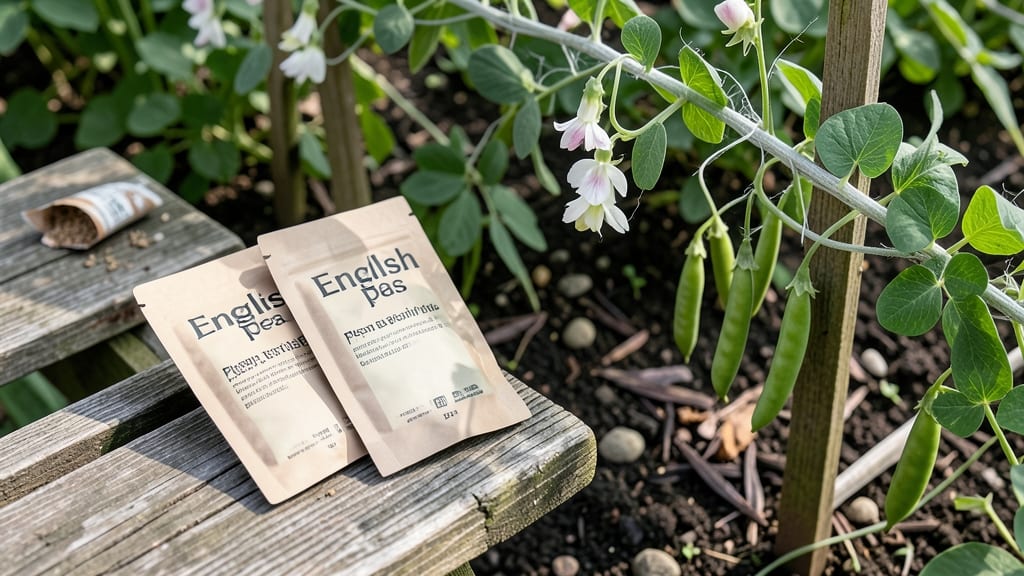
Plant English peas 🌱 in Zone 8 between late February and early March to beat the heat and ensure a bountiful harvest before summer stress sets in.
If you’ve ever watched your pea plants wilt under Zone 8’s relentless sun, you know timing is everything. Plant too late, and you’ll miss the sweet spot for tender pods—too early, and frost can stunt growth.
The key? A 4-6 week window before your last frost date, with soil temps hovering just above 40°F.
This isn’t just about avoiding frost—it’s about dodging the heat. English peas bolt (flower prematurely) when temps climb above 80°F, so coastal areas can push planting into April, while inland spots should start in February.
The right variety also matters: ‘Sugar Sprint’ handles warmth better than ‘Mammoth Melting,’ but even the toughest peas need shade cloth if summer arrives early.
Below, I’ll break down the exact months for your microclimate, soil prep tricks to extend the season, and how to spot when your peas are ready to harvest—before the heat ruins them.
Optimal planting months for English peas in Zone 8: avoiding heat stress
English peas (Pisum sativum) are cool-season crops that struggle when temperatures rise above 85°F (29°C). In Zone 8, timing is everything—plant too early, and frost threatens; too late, and heat stress stunts growth.
The sweet spot? Late winter to early spring, when soil temperatures hover between 40°F–60°F (4°C–15°C).
Most gardeners in Zone 8 focus on spring planting (February–March), but a fall planting window (August–September) can also work if you choose heat-tolerant varieties. The key is avoiding the summer heat, which causes peas to bolt or produce bitter pods.
Let’s break down the exact windows and soil conditions for success.
⚠️ Critical Tip: Use a soil thermometer to confirm temperatures before planting. Peas won’t germinate well in soil warmer than 75°F (24°C), even if air temps are mild.
| Planting Window | Soil Temp Threshold | Ideal Varieties | Harvest Window |
|---|---|---|---|
| Late Winter (Feb–March) | 40°F–60°F (4°C–15°C) | 'Sugar Sprint', 'Oregon Sugar Pod' | May–June |
| Fall (Aug–Sep) | 50°F–65°F (10°C–18°C) | 'Tom Thumb', 'Little Marvel' | October–November |
| Succession Planting (Every 2 Weeks) | 40°F–60°F (4°C–15°C) | All varieties | Staggered harvests |
🌱 Note: Fall planting requires fast-maturing varieties to avoid early frost.
For spring planting, aim to sow seeds 4–6 weeks before your last frost date. In Zone 8, this typically lands in late February to early March, depending on your local microclimate.
Coastal areas may push planting to March, while inland zones can start as early as February.
If you’re planting in fall, stick to August–September to ensure peas mature before the first frost (mid-November in most of Zone 8). Use fast-maturing varieties like 'Little Marvel' (55 days to harvest) to beat the clock. Mulch heavily with straw to insulate roots from cool night temps.
Pro Tip: Extend your harvest with succession planting. Sow a new batch every 2 weeks in spring (until April) for a continuous supply. This works best with dwarf varieties like 'Tom Thumb', which mature faster and handle cooler temps better.
Heat stress is the #1 enemy of English peas. If temps climb above 85°F (29°C), growth slows, and pods become woody and bitter. To mitigate this, plant peas near tall crops (like corn or sunflowers) for afternoon shade or use 30% shade cloth during peak heat.
Water deeply in the morning to keep soil moisture consistent.
Soil prep is non-negotiable. English peas thrive in well-draining, slightly acidic soil (pH 6.0–7.0). Work in 2–3 inches of compost before planting and avoid fresh manure, which can cause bacterial wilt. A light application of bone meal at planting provides phosphorus for strong root development.
Monitor your plants for powdery mildew, a common fungal issue in humid Zone 8 summers. Space plants 2–3 inches apart in rows 18–24 inches apart to improve airflow. If mildew appears, spray with a baking soda solution (1 tbsp baking soda + 1 gallon water) every 7–10 days.
With the right timing and care, you can enjoy sweet, tender peas from late spring to early fall in Zone 8. Start with the ideal windows, adjust for your microclimate, and don’t hesitate to experiment with fall planting for a second harvest! 🌿
How to adjust planting times for Zone 8’s microclimates and heat waves
Zone 8’s unpredictable heat waves and microclimates can turn your English pea dreams into a disaster if you don’t adjust planting times. Coastal areas stay cooler longer, while inland spots can hit 90°F+ by late spring—both require different strategies.
The key? Monitor soil temps and plant when daytime highs stay below 80°F for consistent growth.
Start by identifying your local microclimate. A north-facing garden stays cooler than a south-facing one, while urban areas often trap heat. Use a soil thermometer to confirm temps are between 45°F and 75°F—ideal for pea germination.
If your area heats up too fast, consider fall planting (September-October) for a second harvest before winter chill sets in.
⚠️ WARNING: Planting English peas too early in Zone 8 risks rot from cold, wet soil, while planting too late exposes them to heat stress and poor pod development.
Even heat-tolerant varieties like 'Oregon Sugar Pod' struggle when daytime temps exceed 85°F for more than 3 days. Use this checklist to avoid common mistakes:
Critical Heat Wave Adjustments
- ❄️ Soil temp >75°F: Delay planting until evening temps drop below 70°F.
- ☀️ Forecasted 3+ days >85°F: Use 30% shade cloth for 2-3 weeks post-planting.
- 🌡️ Nighttime lows <50°F: Mulch with straw (2-3 inches) to insulate roots.
- 💧 Water stress signs: Wilting leaves or yellowing pods = immediate watering + mulch.
For heat-tolerant varieties, prioritize 'Sugar Sprint' or 'Tom Thumb', which handle brief heat spikes better than traditional types. Pair them with drip irrigation to keep roots cool—avoid overhead watering, which increases fungal risks during warm nights.
If your microclimate runs hot, try container growing with 5-gallon pots; they warm up slower than in-ground beds.
Extend your pea season by using succession planting. Sow seeds every 2-3 weeks from late February through April, staggering rows to ensure a continuous harvest. In hotter inland Zone 8 areas, stop by mid-April—after that, the risk of heat stress outweighs the yield benefits.
Always plant in well-draining soil amended with compost to help roots regulate temperature.
Protect young seedlings with lightweight row covers or shade cloth (30-50%) during heat waves. Remove covers when temps drop below 80°F to prevent overheating. Pair this with evening watering (after 6 PM) to reduce evaporation and stress.
Monitor your plants daily—drooping vines or stunted growth are early signs of heat exhaustion.
Remember, Zone 8’s microclimates can shift planting windows by 2-4 weeks between your front yard and backyard. Test a small batch of seeds in different spots to find your ideal heat tolerance threshold. With these adjustments, you’ll dodge heat stress and enjoy sweet, plump peas all season long. 🌱