
Plants
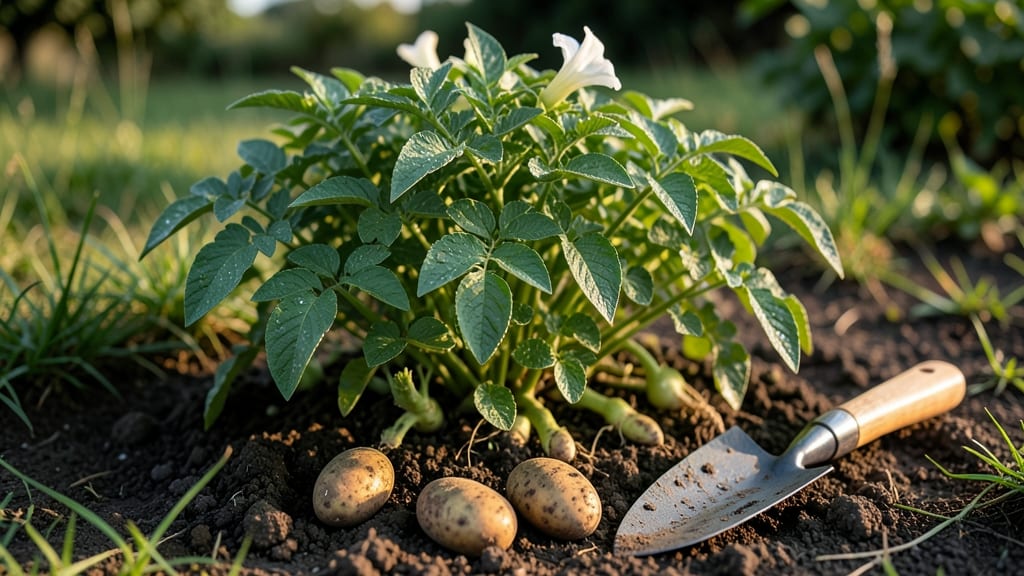
Planting fall potatoes in Texas means timing it just right—4 to 6 weeks before your first frost—so they mature before winter’s chill sets in.
Texas gardeners know the struggle: plant potatoes too early, and they bolt before frost; too late, and winter’s chill steals your harvest. But with the right timing—tailored to your Texas microclimate—you can grow a thriving 🥔 crop that outlasts even the earliest freezes.
North Texas gardeners have a tighter window than those in South Texas, where milder winters allow for later plantings. The key is knowing your USDA Zone (8a-10b) and adjusting for local frost dates, which can vary by weeks.
In this guide, I’ll break down the exact planting schedule for your region, share the best cold-hardy varieties for Texas, and show you how to extend your harvest past December with simple tricks like mulching and row covers.
Texas fall potato planting calendar by region: avoid frost while maximizing yield
Texas's diverse climate means fall potato planting timing varies dramatically from North Texas to South Texas. In Dallas/Fort Worth, the first frost arrives by mid-November, while Houston/Beaumont gardeners often enjoy frost-free growing until January.
Getting this right ensures your potatoes mature before the chill sets in—no more watching your harvest vanish overnight!
Your success hinges on two critical factors: soil temperature (potatoes need 45°F+ to sprout) and frost dates. Plant too early, and your tubers will bolt; too late, and frost kills the crop.
The key is planting 4-6 weeks before your region’s first frost—but with Texas’s microclimates, that window shifts from late August in North Texas to October in South Texas.
Soil warmth is non-negotiable. Use a soil thermometer to confirm temperatures are above 50°F at a 4-inch depth. In West Texas (El Paso/Lubbock), where days heat up fast, you can push planting to mid-September, while Central Texas (Austin/San Antonio) gardeners should aim for early to mid-September.
Here’s your region-specific planting calendar, complete with frost dates and ideal windows to maximize yield while avoiding winter’s wrath:
For North Texas, where frost arrives earliest, start planting late August to ensure tubers mature before mid-November. Use cold-hardy varieties like Red Pontiac or Kennebec to push your harvest window.
In Central Texas, you’ve got a little more flexibility—plant in early September for a harvest by late November.
If you’re in South Texas, you’re the lucky few who can plant potatoes in late September or October and still harvest before frost. This region’s longer growing season lets you experiment with longer-day varieties like Russet Burbank, though they’ll need extra mulch to protect against unexpected cold snaps.
In West Texas, where temperatures swing wildly, focus on soil warmth and water retention. Plant in mid-September
How to extend your Texas potato harvest season with cold-hardy varieties
Texas's unpredictable winters can cut your potato harvest short—but the right cold-hardy varieties and smart growing techniques let you harvest well past December. By choosing late-maturing potatoes and protecting them from early frosts, you can enjoy fresh spuds even when your neighbors are digging up empty beds.
The secret lies in selecting Texas-friendly varieties that thrive in cooler temperatures while still delivering high yields.
Not all potatoes handle Texas's variable climate equally. Some varieties, like Yukon Gold or Red Pontiac, tolerate light frosts better than others, while Purple Majesty adds both hardiness and striking color to your harvest.
Pair these with protective measures like mulching or row covers, and you’ll push your harvest window weeks beyond the first frost date. Let’s dive into the top cold-hardy varieties and the techniques that keep them producing long after most gardens have gone dormant.
🌱 Top 5 Cold-Hardy Potato Varieties for Texas Fall Planting
- 1. Yukon Gold – Tolerates light frosts, creamy texture, and high yield. Days to maturity: 90-110
- 2. Purple Majesty – Rich in antioxidants, cold-resistant, and stores well. Days to maturity: 100-120
- 3. Red Pontiac – Disease-resistant, holds up in cooler soils, and stores for months. Days to maturity: 80-90
- 4. Kennebec – Thrives in cooler temps, great for baking, and resists scab. Days to maturity: 90-110
- 5. Fingerling (e.g., 'Adirondack Blue') – Compact growth, cold-tolerant, and perfect for small spaces. Days to maturity: 85-100
To maximize your harvest, start planting late-maturing varieties in late August to early September—this gives them enough time to mature before winter sets in. For example, Yukon Gold planted in early September in North Texas can still yield tubers by mid-December if protected.
Use black plastic mulch to warm the soil early in the season, then switch to straw mulch as temperatures drop to insulate roots.
Row covers are another game-changer. Lightweight fabric extends the growing season by 2-4 weeks by trapping heat and shielding plants from light frosts (28°F). In South Texas, where frosts are rare, focus on early planting (July) and deep mulching to keep tubers from overheating.
For North Texas, where frosts hit earlier, combine row covers with heavy mulch layers (4-6 inches) to protect roots from temperature swings.
Don’t overlook soil preparation—cold-hardy potatoes need well-draining, nutrient-rich soil to thrive. Amend your beds with compost or aged manure before planting, and avoid fresh nitrogen, which can encourage foliage at the expense of tubers.
Water deeply but reduce frequency as harvest nears to toughen skins and improve storage life. With these techniques, you’ll enjoy a late-season harvest that rivals spring plantings.
Pro tip: Harvest a few tubers early to check size and quality. If your Red Pontiac or Purple Majesty are thriving, leave the rest in the ground until the foliage dies back naturally—this ensures the largest, most flavorful potatoes.
Just be ready to dig before a hard freeze (24°F) sets in, even with protection. With the right varieties and care, your Texas potato patch can keep producing long after most gardens have called it quits.