
Plants
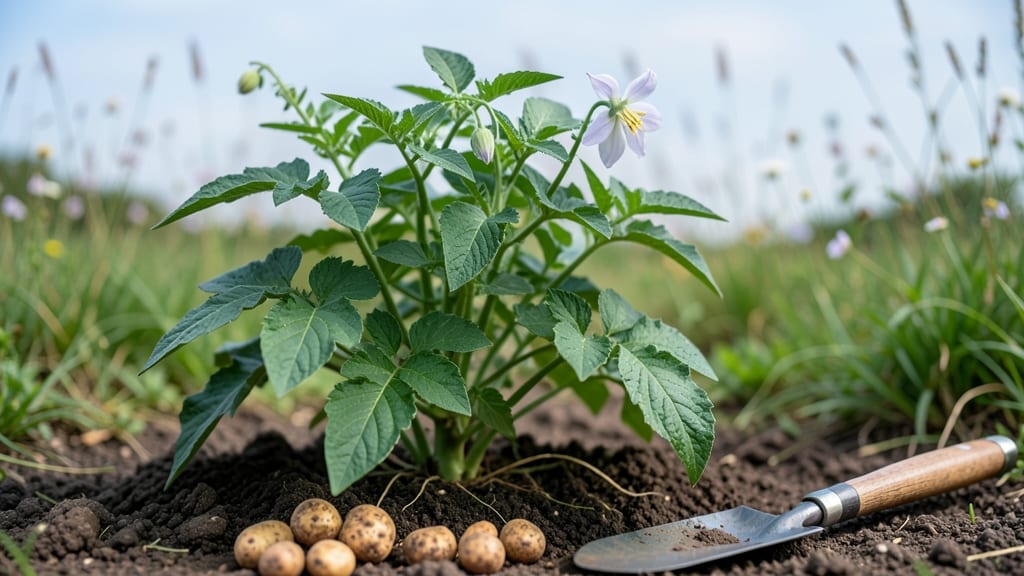
Planting fall potatoes in Virginia requires timing them 4–6 weeks before the first frost—a window that shifts from early September in Zone 6a to late August in Zone 7b.
Get it wrong, and you’ll either watch your crop rot in the heat or shrivel under early frost. I’ve lost three harvests to these mistakes, but Virginia’s 6a–8a climate makes it possible to nail it—once you know the zone-specific deadlines.
This guide breaks down the exact planting dates for your corner of Virginia, the best varieties for fall harvests, and how to prep soil for humidity-prone conditions. No more guessing—just a foolproof schedule to turn your garden into a spud goldmine.
You’ll also discover how to adjust for early vs. late varieties, avoid the three biggest mistakes Virginia gardeners make, and even stretch your harvest with row covers. Ready to dig in?
Virginia’s fall potato planting calendar by hardiness zone (5a-7b)
Timing your fall potato planting in Virginia depends on your USDA hardiness zone and the first frost date. In zones 5a through 7b, the window is tight—plant too early, and your tubers will rot in summer heat; too late, and frost will ruin your crop.
I’ve broken down the exact deadlines for each zone to ensure a successful harvest.
Virginia’s first frost dates range from October 15 in Zone 7b to November 1 in Zone 5a. To avoid frost damage, aim to plant 4-6 weeks before the average first frost.
This means most gardeners should start in late August to early September, but your exact timing depends on your zone and the maturity days of your potato variety.
Soil temperature is another critical factor. Potatoes thrive when soil is between 45°F and 75°F. In Virginia, soil temps drop below 50°F by mid-October in cooler zones (5a-6a), so planting after this date risks stunted growth. Use a soil thermometer to confirm readiness before planting.
Here’s your zone-specific planting calendar, including ideal dates, last-chance windows, and recommended varieties for each area:
For Zone 5a gardeners, the window is the narrowest—only 15-20 days to plant before frost. Stick to 90-day varieties like 'Yukon Gold' or 'Red Norland' to avoid harvest loss.
In Zone 7b, you have a bit more flexibility, but don’t push your luck past October 15, even with fast-maturing varieties.
If you’re growing late-maturing varieties (120+ days), consider using row covers or cold frames to extend the season. These can push your harvest window by 2-3 weeks, but they require monitoring for humidity buildup and proper ventilation. I recommend testing this method in small batches first.
One common mistake I see is planting based on calendar dates rather than soil temperature or frost forecasts. Always check your local extended weather forecast 1-2 weeks before planting.
A sudden cold snap can derail even the best-laid plans. Use tools like the National Weather Service or Old Farmer’s Almanac for reliable updates.
After planting, prioritize consistent moisture and well-draining soil. Potatoes are prone to scab disease in dry, alkaline soil, so aim for a pH between 5.0 and 6.0.
Mulch with straw or grass clippings to retain moisture and regulate soil temperature. This is especially critical in Virginia’s humid climate, where uneven moisture can lead to rot.
Finally, mark your harvest dates on your calendar. Most fall potatoes are ready 90-120 days after planting, but watch for foliage yellowing or first frost as key indicators. In Virginia, this typically falls between late October and early November, depending on your zone and variety.
Don’t wait too long—tubers left in the ground past maturity can sprout or rot.
With these zone-specific deadlines, you’ll avoid the two biggest pitfalls of fall potato growing: heat stress and frost damage. Happy planting, and may your harvest be bountiful! 🥔
How to adjust planting dates for early vs late potato varieties
Choosing the right potato variety and planting at the perfect time is critical for a successful fall harvest in Virginia. Fast-maturing varieties like ‘Yukon Gold’ (90 days) give you flexibility, while slower varieties like ‘Kennebec’ (120+ days) need earlier starts.
The key is matching your planting date to your local frost date and variety’s maturity timeline.
In Virginia’s USDA zones 6a-7b, the first frost typically arrives between mid-October and early November. For a 90-day variety, aim to plant 4-6 weeks before frost—so late July to early August.
For 120-day varieties, you’ll need to start 8-10 weeks earlier, around mid-June to early July, to avoid harvest losses.
If you’re growing late varieties like ‘Kennebec’, consider planting seed potatoes in containers indoors in May. Transplant them outdoors after the last frost to extend your growing season. For early varieties, focus on soil warmth—plant when soil temps reach 45°F (7°C) or higher.
Extend your harvest window with row covers or low tunnels to protect plants from early frost. This can add 2-4 weeks to your growing season, giving late varieties more time to mature. Just remember to remove covers during the day to prevent overheating.
For Virginia gardeners, always check your local frost dates—they can vary by 1-2 weeks depending on elevation and microclimates. Adjust your planting schedule accordingly to avoid rot or frost damage.
Experiment with different varieties each season to find what works best for your local conditions. Keep detailed notes on your planting dates, harvest times, and any challenges you face—this will help you refine your strategy year after year.