
Plants
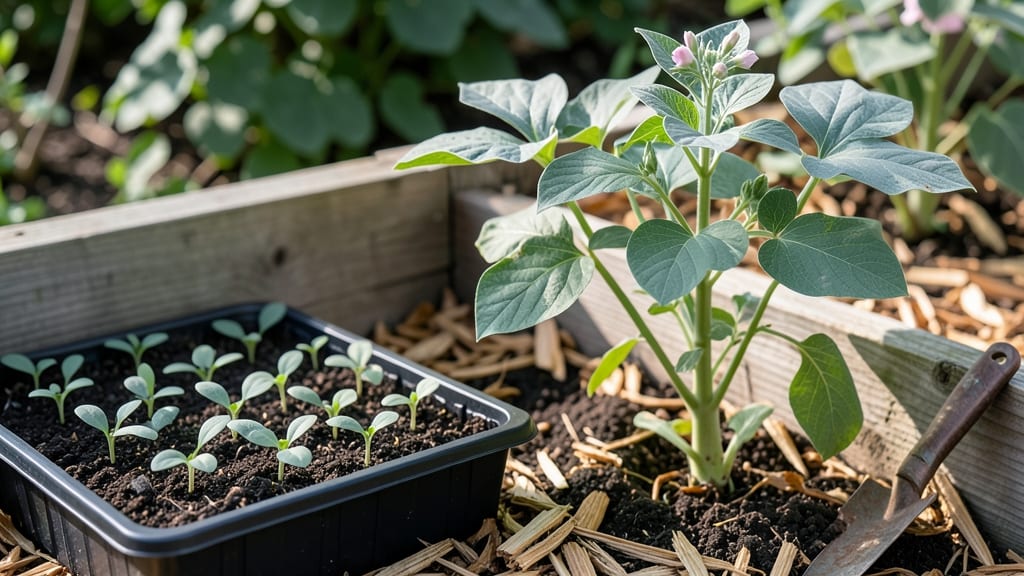
To plant fava beans in California, aim for fall (October–December) or early spring (February–March) — timing that aligns with your microclimate’s frost risks and soil warmth.
California’s diverse climates—from frost-prone valleys to mild coastal regions—can make planting fava beans a tricky timing puzzle. Get it wrong, and you risk stunted growth or bitter-tasting pods. But master these secrets, and you’ll harvest tender, protein-rich beans all season long.
Coastal areas in USDA Zone 10 can plant year-round, while inland valleys (Zone 9) need to avoid frost by sticking to October–November or waiting until February. The key? Soil temperature and local frost dates—both vary wildly between San Francisco and the Central Valley.
Below, I break down the exact months to plant for your region, how to pick the right varieties, and the simple soil prep tricks that make the difference between a thriving crop and a flop.
Optimal planting months for fava beans in California’s coastal vs. valley regions
Fava beans thrive in California’s cool seasons, but the perfect planting window shifts dramatically between coastal and valley regions. Coastal areas like San Francisco enjoy mild winters with rare frost, while inland valleys like the Central Valley face hard freezes that can kill young plants.
Understanding these differences ensures your fava beans grow strong and productive.
In coastal California, where temperatures rarely drop below 35°F, you can plant fava beans year-round with success. However, the ideal months are October through December for a winter harvest, or February through March for spring.
These windows align with soil temperatures between 45°F and 65°F, which fava beans prefer for germination.
For valley regions, timing is critical. The last frost typically hits around January 15, so your last planting window is October 15–November 15. Planting after this risks frost damage before establishment.
Spring plantings in valleys should start by February 1 to avoid summer heat stress, which can cause bitter-tasting pods.
Soil temperature is your best guide. Fava beans germinate best when soil is at least 45°F. In coastal areas, this happens naturally in fall and spring. In valleys, wait until soil warms to 50°F after winter rains subside. Use a soil thermometer to monitor—this small tool saves hours of guesswork.
My coastal garden in San Francisco yields the most consistent harvests when planted in November. The marine layer keeps nights cool, and the soil stays moist from winter rains.
In contrast, my friend in Fresno’s Central Valley plants by November 1 to beat the frost, using row covers for extra protection. Their success rate drops to 60% if planted after November 15.
For spring plantings, coastal gardeners can start as early as February 1, while valley gardeners should wait until March 1 to avoid heat stress. In desert regions like Palm Springs, plant in November–December for a spring harvest, as summer heat will quickly bolt the plants.
Always check your local USDA hardiness zone—coastal areas are often Zone 10, while valleys are Zone 9.
Pro tip: Use mulch to regulate soil temperature. In valleys, a 4-inch layer of straw insulates roots from frost and retains moisture. Coastal gardeners can skip mulch if rains are frequent but add it in dry springs to prevent soil crusting.
Monitor your plants’ leaf color—yellowing leaves signal overwatering or nutrient deficiency, while purple stems indicate phosphorus deficiency.
Timing isn’t just about months—it’s about microclimates. A south-facing slope warms faster than a north-facing garden bed, so adjust your planting window by 2–4 weeks accordingly. For example, a sunny valley might support late-November plantings, while a shady coastal garden may need earlier spring starts.
If you’re new to growing fava beans, start with cold-hardy varieties like ‘Early Blood
How to adjust planting timing for fava bean varieties and local conditions
Fava beans thrive in California’s cooler seasons, but not all varieties handle the state’s diverse climates the same way. Cold-hardy varieties like ‘Aquadulce Claudia’ can survive light frosts, while heat-tolerant types like ‘Early Blood Sugar’ need protection from summer’s intensity.
Your choice depends on whether you’re in frost-prone valleys or mild coastal areas.
Soil type also dictates timing adjustments. Heavy clay soils drain poorly after winter rains, while sandy soils dry out faster in spring. Amending with compost or organic matter can help, but timing your planting to avoid waterlogged or bone-dry conditions is key.
Row covers and mulch are game-changers for extending seasons. Use floating row covers in early spring to shield young plants from late frosts, or apply straw mulch in fall to insulate roots during winter. These tricks let you plant earlier or later than the “ideal” window.
🌱 Fava Bean Planting Adjustments by Condition
- 🌡️ Cold Regions (Valleys)
- ✅ Plant: October–November (after first frost risk passes)
- ✅ Use: Row covers for spring plantings (Feb–March)
- ✅ Soil Prep: Add compost to improve drainage
- 🌊 Coastal Areas
- ✅ Plant: September–October or February–March
- ✅ Monitor: Marine layer delays for spring plantings
- ✅ Soil Prep: Mix in sand if soil is compacted
- ☀️ Hot Inland Areas
- ✅ Plant: Late fall (Nov–Dec) for spring harvest
- ✅ Protect: Shade cloth (30–50%) in summer
- ✅ Water: Deep soak 2x/week in dry spells
📋 Pro Tip: Test soil 2 weeks before planting—ideal temp is 45–65°F.
For microclimate shifts, like sudden coastal fog or valley heatwaves, keep a simple planting checklist. Note when morning temps drop below 40°F or when afternoon highs exceed 85°F. Adjust your schedule by 2–4 weeks if conditions stray from the norm.
Finally, succession planting works wonders in California. After your first harvest in spring, sow a second batch in early summer for a fall crop—just use heat-tolerant varieties and keep soil moist. This doubles your yield and stretches your growing season.
With these adjustments, your fava beans will thrive year-round, whether you’re battling valley frosts or coastal humidity. Happy growing! 🌱