
Plants
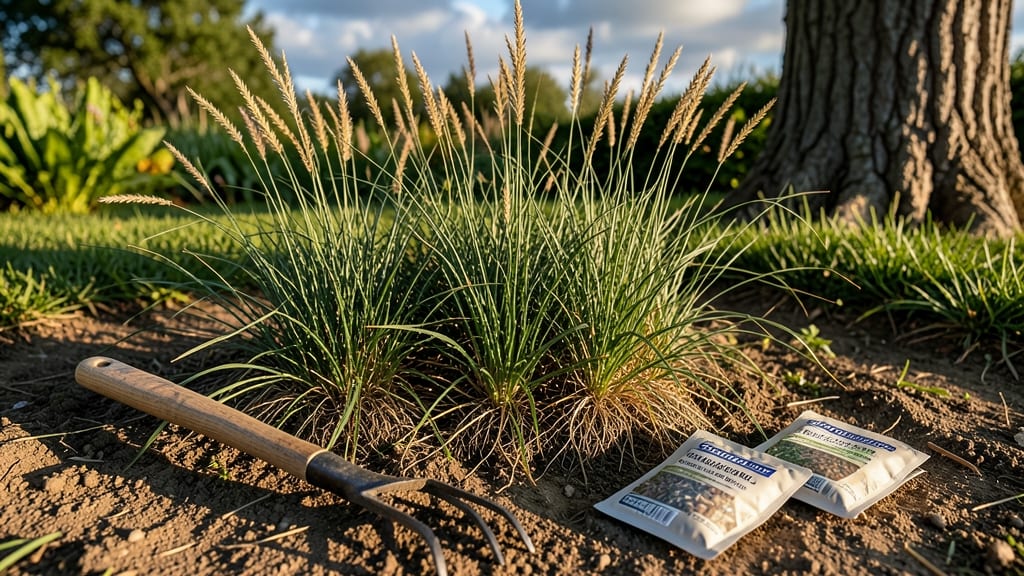
Planting fescue seed in Atlanta between late August and early October gives it the cool weather it needs to germinate without summer’s heat stressing the young grass.
Get this timing wrong, and you’re either battling frost damage or watching your seed bake in the pavement. Atlanta’s USDA Zone 7b-8a climate means the difference between a lush lawn and a struggle comes down to those few weeks—when soil temps drop just enough for roots to take hold.
Most gardeners here swear by early fall, but late summer works too if you’re prepared for extra watering. The key is avoiding extreme heat or drought, which can leave your lawn patchy and weak.
Below, I’ll walk you through the exact months to plant, how Atlanta’s humidity and heat affect germination, and the simple soil prep steps that make all the difference.
Best planting months for fescue in Atlanta’s climate zones
Atlanta’s USDA Zone 7b/8a climate creates a narrow window for planting fescue seed—too early risks frost damage, while late planting exposes young grass to summer heat stress. The ideal timing focuses on soil temperatures between 60°F and 75°F, which encourages strong germination without overwhelming the seed.
For Atlanta gardeners, the two best planting periods are late summer (August-September) and early fall (October). These windows balance warm soil with cooler air temperatures, reducing evaporation while preventing heat shock. Early spring (March) also works but requires vigilance against late frosts.
Here’s a quick reference for Atlanta’s planting schedule, including soil temperature thresholds and frost risk factors to ensure your fescue establishes deep roots before winter:
Why does late summer work so well? By August, Atlanta’s afternoon heat peaks have passed, but soil remains warm enough to kickstart germination. The longer daylight hours provide energy for seedling growth, while humidity levels stay high enough to reduce watering needs.
Aim to plant by mid-August to avoid the 90°F+ heat waves that can bake seeds before they sprout.
For early fall planting, focus on September and early October when daytime highs hover around 75°F and nighttime lows drop into the 50s. This temperature swing mimics natural dormancy cues, encouraging fescue to develop deep root systems before winter.
Avoid planting after mid-October, as first frost dates in Atlanta’s Zone 7b/8a typically arrive by November 15, leaving little time for root establishment.
If you choose early spring planting (March), time it carefully. Atlanta’s last average frost date is March 15, but cold snaps can linger into April. Plant no earlier than mid-March and use frost blankets if overnight temps drop below 32°F.
Spring-planted fescue may struggle to outpace weed competition, so prioritize soil prep and light fertilization to give seedlings an edge.
Pro tip: Test your soil temperature before planting using a soil thermometer. Fescue seeds need consistent warmth—if temps dip below 55°F for more than 3 days, germination slows dramatically. In Atlanta, this usually means avoiding early spring unless you’re prepared to protect young plants.
Once planted, maintain consistent moisture for the first 4-6 weeks. Fescue seeds need 1-1.5 inches of water weekly, but avoid overwatering, which can cause disease pressure.
Water early morning to let foliage dry before evening, reducing fungal risks like brown patch, a common issue in Atlanta’s humid climate.
Remember: Fescue thrives on patience. While you might see sprouts in 7-14 days, full root establishment takes 60-90 days. Planting at the right time ensures your lawn develops the drought resistance and winter hardiness that makes fescue a top choice for Atlanta’s challenging climate.
How Atlanta’s weather affects fescue germination timing
Atlanta’s humidity spikes and afternoon heat create unique challenges for fescue seed germination. Unlike northern climates, our high summer temperatures can bake seeds before they sprout, while sudden rainfall may wash them away. Understanding these patterns helps you time planting for optimal moisture retention and root development.
The key is planting when soil temperatures stay between 60-75°F—too hot, and seeds dry out; too cool, and germination slows. Atlanta’s late summer humidity (August-September) provides natural moisture, but afternoon heat can still stress young seedlings. Early fall’s cooler evenings offer the perfect balance.
⚠️ CRITICAL TIMING WARNING ⚠️ Avoid planting fescue seed during Atlanta’s peak summer heat (June-July) when soil temps exceed 80°F—this causes seed desiccation and poor germination. ⚠️ Late August to early October is ideal—humidity remains high while afternoon heat decreases, creating perfect conditions for moisture retention and root establishment. ⚠️ If planting in spring, wait until after last frost (mid-March) when soil warms to 60°F+—earlier planting risks frost damage to tender seedlings. ⚠️ Use mulch or straw immediately after planting to lock in moisture and protect seeds from sudden afternoon heat or heavy rainfall.
Atlanta’s seasonal rainfall patterns also play a crucial role. The city’s late summer thunderstorms (August-September) provide natural irrigation, but overwatering risks can occur if seeds aren’t properly covered. I recommend lightly watering twice daily (morning and evening) for the first 2 weeks to maintain consistent moisture without saturation.
Another critical factor is afternoon heat intensity. Atlanta’s afternoon sun (2 PM–5 PM) can raise soil temperatures 10-15°F higher than morning readings. To combat this, I plant fescue in partial shade areas or use shade cloth during peak heat hours.
For full-sun lawns, water deeply in the morning to give roots a moisture head start before the heat sets in.
Don’t overlook microclimate variations—north-facing slopes stay cooler longer, while south-facing areas heat up faster. Test your soil’s moisture retention by digging a 6-inch hole and checking how quickly it dries.
Sandy soils dry out faster and need more frequent watering, while clay soils may require amended drainage to prevent waterlogging.
By adjusting your planting schedule to align with Atlanta’s humidity peaks, afternoon heat patterns, and rainfall cycles, you’ll give fescue seeds the best chance to establish deep, resilient roots before winter. The result? A thicker lawn that handles Atlanta’s mild winters and hot summers with ease. 🌱