
Plants
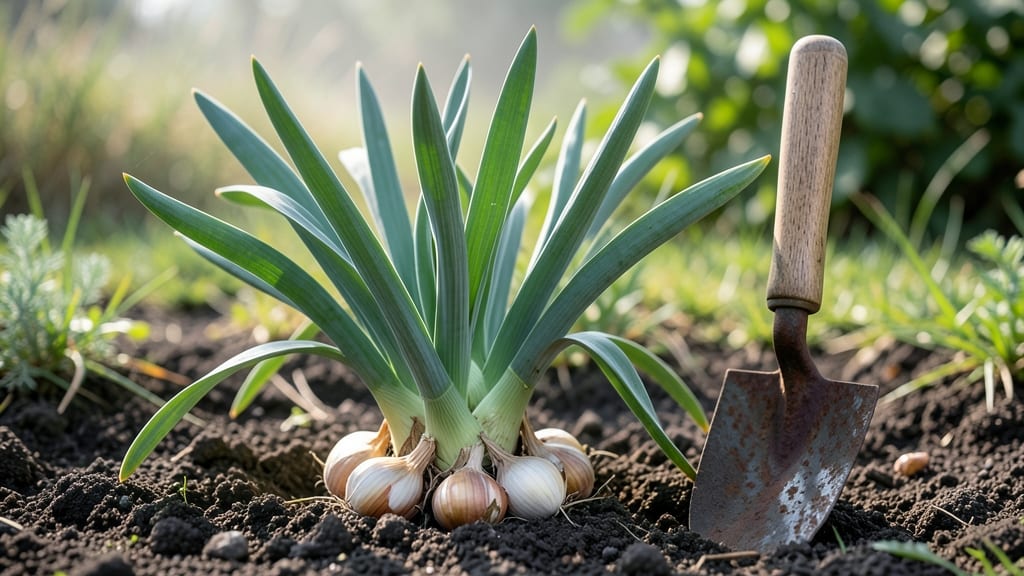
Planting garlic in North Carolina in the fall sets the stage for a bountiful harvest the following summer, especially for hardneck varieties that thrive in the state’s cool winters.
If you’ve ever watched your garlic cloves rot in soggy soil or fail to bulb out before the heat arrives, you know timing is everything. North Carolina’s 7a-8a zones demand precision—plant too early, and the cloves may sprout prematurely; too late, and they won’t establish roots before winter dormancy.
The ideal window stretches from mid-October to early November, when soil temperatures hover between 40-50°F and daylight shortens to trigger bulb formation. Coastal areas may need to adjust slightly later than the Piedmont, where frosts arrive sooner.
Below, I’ll break down the exact dates for your region, soil prep secrets, and how to avoid the three most common planting mistakes that sabotage even the most experienced gardeners.
Optimal fall planting dates for garlic in North Carolina’s climate zones
North Carolina’s diverse climate zones—ranging from USDA Zone 7a in the mountains to Zone 8b along the coast—create unique planting windows for garlic. For hardneck varieties like Rocambole and Silverskin, timing is critical to ensure strong bulb development before summer heat.
The ideal window is 4-6 weeks before the first hard frost, when soil temperatures drop to 40-50°F.
In Zone 7a (western NC), where frosts arrive earlier, aim to plant between mid-October and early November. Meanwhile, Zone 8b gardeners along the coast have flexibility until late November, thanks to milder winters.
These adjustments prevent cloves from rotting in cold, wet soil or failing to mature before summer.
Soil temperature is the most critical factor—garlic cloves need consistent 40-50°F soil to root before dormancy. Use a soil thermometer to confirm readiness, especially in transitional zones like Zone 7b (Piedmont region), where temperatures can fluctuate wildly.
| Climate Zone | First Frost Date | Ideal Planting Window | Soil Temp Threshold | Hardneck Variety Notes |
|---|---|---|---|---|
| Zone 7a (Mountains) | Mid-October | Mid-October - Early November | 40-50°F | Rocambole excels; plant 2-4 weeks earlier than Zone 8b |
| Zone 7b (Piedmont) | Late October | Late October - Mid-November | 40-50°F | Silverskin thrives; monitor soil moisture in clay soils |
| Zone 8a (Coastal Plain) | Early November | Early November - Late November | 45-55°F | Artichoke garlic performs best; extend window to December 1 if mild |
| Zone 8b (Coastal) | Mid-November | Late November - Early December | 50-60°F | All hardnecks grow well; avoid planting after December 10 |
For Zone 7a gardeners, early planting (by October 15) gives cloves time to establish roots before winter. In contrast, Zone 8b gardeners can push the envelope to December 1, but avoid planting after the first week of December—cloves won’t root properly in warm soil.
Regional adjustments matter: Piedmont gardeners (Zone 7b) should prioritize well-draining soil to prevent rot from winter rains, while Coastal gardeners (Zone 8a/b) can use mulch heavily to protect cloves from sporadic cold snaps. A 4-inch layer of straw insulates soil and retains moisture.
Hardneck varieties like Rocambole and Silverskin have slightly different needs. Rocambole, for example, benefits from earlier planting (by October 1 in Zone 7a) to maximize scape production, while Silverskin tolerates later dates due to its milder flavor profile.
Pro tip: Use local frost date averages as a guide, but verify with a weather station or NC State Extension resources. For instance, Asheville (Zone 7a) averages its first frost on November 5, while Wilmington (Zone 8b) sees frost on November 20—adjust accordingly.
If you miss the ideal window, don’t panic. Zone 8a/b gardeners can plant as late as December 10, though bulbs may be smaller. For Zone 7a, late plantings risk cloves rotting before dormancy—prioritize timing over quantity in colder regions.
Remember: Soil temperature trumps calendar dates. Even if it’s October 1, if your soil is below 40°F, wait for warmer conditions. Use a soil thermometer to confirm readiness—this small investment prevents wasted cloves.
Key factors that determine perfect planting timing in North Carolina
North Carolina's diverse climate—from the humid Coastal Plain to the drier Piedmont region—means garlic planting timing varies by location. The ideal window depends on three critical factors: soil temperature, frost dates, and daylight exposure. Getting these right ensures strong root development before winter dormancy.
For hardneck varieties like Rocambole, soil temperatures between 40-50°F trigger root growth. In the Piedmont (Zones 7a-7b), this typically occurs in mid-October, while the Coastal Plain (Zone 8a) may wait until late October or early November.
Planting too early risks rot, while waiting too late stunts bulb formation.
- Soil Temp: 40-50°F triggers root growth; use a soil thermometer to verify.
- Frost Timing: Plant 4-6 weeks before the first hard frost (avg. Nov 15 in Piedmont, Dec 1 in Coastal NC).
- Daylight: 10-12 hours of daylight during planting ensures strong early growth.
- Piedmont Adjustment: Early frosts (Oct 31 risk) mean planting by Oct 15 for safety.
- Coastal Delay: Warmer soils allow planting until Nov 15, but avoid Dec 1+.
- Hardneck Rule: Rocambole/Silverskin need 60+ days of cold (32-40°F) for scapes.
Daylight hours play a surprising role—garlic planted under 10+ hours of daylight grows faster initially. In North Carolina, this means aiming for October planting when days are still long enough to jumpstart growth before winter. The Piedmont’s shorter growing season demands earlier planting than the Coastal Plain’s extended fall.
Adjust for early/late frosts by checking local records. The Piedmont’s average first frost is Nov 15, but some years it arrives by Oct 31. Plant by Oct 15 as a buffer.
Meanwhile, the Coastal Plain’s milder winters often allow planting until Nov 15, but avoid pushing past Dec 1—late garlic struggles to form bulbs before summer heat.
Regional humidity also matters: Coastal NC’s higher moisture levels increase fungal risks like white rot, so improve drainage with raised beds or sandy soil amendments. In contrast, the Piedmont’s drier air reduces rot risks but requires consistent watering during dry spells to maintain soil moisture.
Pro tip: Use local frost date maps (like NC State Extension’s) to fine-tune your timing. For example, Asheville (Zone 7a) may need garlic in the ground by Oct 1, while Wilmington (Zone 8a) can wait until Nov 10.
Always plant hardneck varieties—they handle NC’s winters better than softnecks.