
Companion Plants
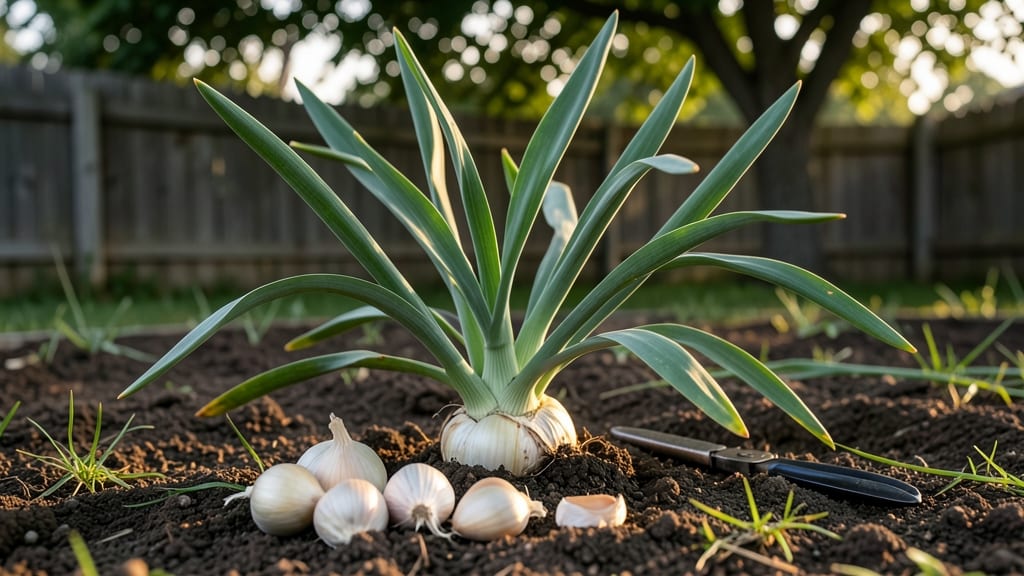
Planting garlic in Western PA during the fall window—between October and November—sets the stage for a bountiful harvest the following summer.
Western Pennsylvania’s climate is perfect for growing hardneck garlic—but planting it too early or late can ruin your harvest. Timing is everything, and missing the fall window by even a few weeks can leave your cloves vulnerable to winter’s harshest conditions.
In USDA Zone 6a, where hard freezes arrive by mid-October, the goal is to get your 🧄 cloves into the ground 4-6 weeks before the soil freezes. This gives roots time to establish before winter dormancy kicks in, ensuring robust growth when spring arrives.
Below, I’ll walk you through the exact dates, soil prep tips, and variety choices that work best in Western PA—so you can avoid common mistakes and end up with plump, flavorful bulbs ready by late June.
Best fall planting dates for Western PA garlic (by hardiness Zone)
Western Pennsylvania’s USDA Zones 5-6 create ideal conditions for growing hardneck garlic varieties, but timing your fall planting correctly is the key to a bountiful harvest.
The 4-6 week window before ground freeze is critical—plant too early, and your cloves may sprout and get damaged by winter; plant too late, and they won’t establish strong roots before dormancy.
For Zone 5 (e.g., Erie, Meadville), aim for mid-October to early November, while Zone 6 (e.g., Pittsburgh, State College) gardeners should plant between late September and mid-November.
The soil temperature threshold is your best guide: plant when soil temps drop to 40-50°F (4-10°C) at a 4-inch depth. This ensures roots establish before winter sets in.
In Western PA, this typically aligns with late October, but watch for early frosts—especially in Zone 5—which can arrive as early as mid-October. Use a soil thermometer to monitor conditions if your local weather is unpredictable.
Hardneck varieties like Rocambole and Purple Stripe thrive in Western PA’s climate, but their planting windows differ slightly. Rocambole, known for its mild, nutty flavor, benefits from an earlier start—aim for late September to early October—while Purple Stripe, with its bold, spicy kick, can handle a slightly later planting up to mid-November.
Both varieties need well-draining soil and full sun exposure to develop properly.
| Zone | Ideal Planting Window | Soil Temp Threshold | Best Varieties | Adjust for Early Frost |
|---|---|---|---|---|
| Zone 5 | Mid-October to Early November | 40-50°F (4-10°C) | Rocambole, German Red | Plant by October 15; use heavy mulch |
| Zone 6 | Late September to Mid-November | 40-50°F (4-10°C) | Purple Stripe, Music | Plant by November 1; extend season with row covers |
| Both Zones | Avoid planting after November 15 | Never below 32°F (0°C) | Artichoke (for storage) | Use cold frames for late plants |
If your fall weather throws curveballs—like an unseasonably warm October or a sudden early frost—adjust your planting schedule accordingly. For example, if your soil stays above 50°F (10°C) into early November, delay planting until temps drop.
Conversely, if a hard freeze hits by October 20, prioritize Zone 5 areas and use straw mulch (6-8 inches) to insulate cloves. In Zone 6, you have more flexibility, but don’t push it past November 15, as cloves need 6-8 weeks of root growth before winter dormancy.
Local microclimates in Western PA can also affect timing. Mountainous regions (e.g., near Poconos) may experience earlier frosts, so plant 2-3 weeks earlier than the general guideline. Meanwhile, urban areas like Pittsburgh with heat islands might delay frost, giving you a 1-2 week extension.
Observe your neighbors’ gardens or check local agricultural extension reports for real-time adjustments.
For gardeners in Zone 5-6, late October is the sweet spot for planting most hardneck varieties. Break open a bulk garlic head and separate the cloves, ensuring each has a small root nub attached.
Plant them 2 inches deep, with the pointy end up, and space them 4-6 inches apart in rows 12 inches apart. This spacing allows for adequate airflow, reducing the risk of fungal diseases like white rot, which can devastate garlic crops in Western PA’s humid climate.
After planting, apply a 2-3 inch layer of straw mulch to retain moisture and insulate the soil. This mulch acts as a natural frost blanket, protecting cloves during temperature swings.
In Zone 5, where winters are harsher, consider adding an extra 2 inches of mulch once the ground freezes. Avoid using leaves or grass clippings, as they can compact and suffocate the cloves. Instead, opt for straw or shredded leaves for optimal drainage.
One common mistake in Western PA is assuming that all garlic varieties thrive equally in the region. While hardneck varieties dominate local gardens, softneck garlic (like Silverskin) struggles with our cold winters and may not bulb properly. Stick to hardnecks, which are bred to withstand
How to prepare your soil and garlic cloves for fall planting
Western PA’s clay-heavy or rocky soils need special attention to grow hardneck garlic successfully. The key to a bountiful harvest starts with soil preparation and clove conditioning before the first frost.
I’ve learned that skipping these steps often leads to stunted growth or poor bulb formation, especially in our region’s USDA Zone 5-6 climate.
First, test your soil’s pH level—garlic thrives in slightly acidic soil (6.0-7.0). If your soil is too alkaline, amend it with elemental sulfur (apply 1-2 weeks before planting).
For clay-heavy soils, mix in compost or aged manure to improve drainage and aeration. My own garden’s rocky patches now grow garlic beautifully thanks to these amendments!
Use a soil test kit to check pH. Aim for 6.0-7.0. If too high, add elemental sulfur (1 lb per 100 sq ft) 2 weeks before planting.
Mix 2-3 inches of compost into the top 6-8 inches of soil. For clay soils, add coarse sand (1 part sand to 3 parts soil) to improve drainage.
Choose plump, firm cloves from hardneck varieties (e.g., Purple Stripe or Rocambole). Avoid soft or sprouted cloves—they won’t store well.
Soak cloves in water for 4-6 hours to speed up sprouting. Drain well before planting to prevent rot in waterlogged soil.
Place cloves in a cool, dark place (e.g., fridge) with the root end down for 2-4 weeks. This encourages early root growth before planting.
When selecting garlic cloves, prioritize hardneck varieties like Purple Stripe or German White, which perform best in our region. Avoid softneck varieties—they’re better suited for milder climates. I always buy cloves from local nurseries in late summer to ensure freshness and regional adaptability.
Before planting, soak your cloves in water for 4-6 hours to jumpstart root growth. This step is especially helpful in dry or rocky soils where moisture retention is poor. After soaking, let them dry slightly to prevent fungal issues.
For a head start, chit your cloves by placing them root-end down in a cool, dark spot for 2-4 weeks—this encourages early sprouting once planted.
Finally, mulch heavily after planting with straw or leaves (4-6 inches) to insulate bulbs through winter. In Western PA’s freeze-thaw cycles, this protects cloves from heaving out of the soil.
I’ve seen firsthand how mulching can mean the difference between a thriving harvest and a failed crop after harsh winters.
With these steps, your garlic beds will be ready for fall planting—giving your cloves the best possible start for a bountiful summer harvest. 🌱