
Plants
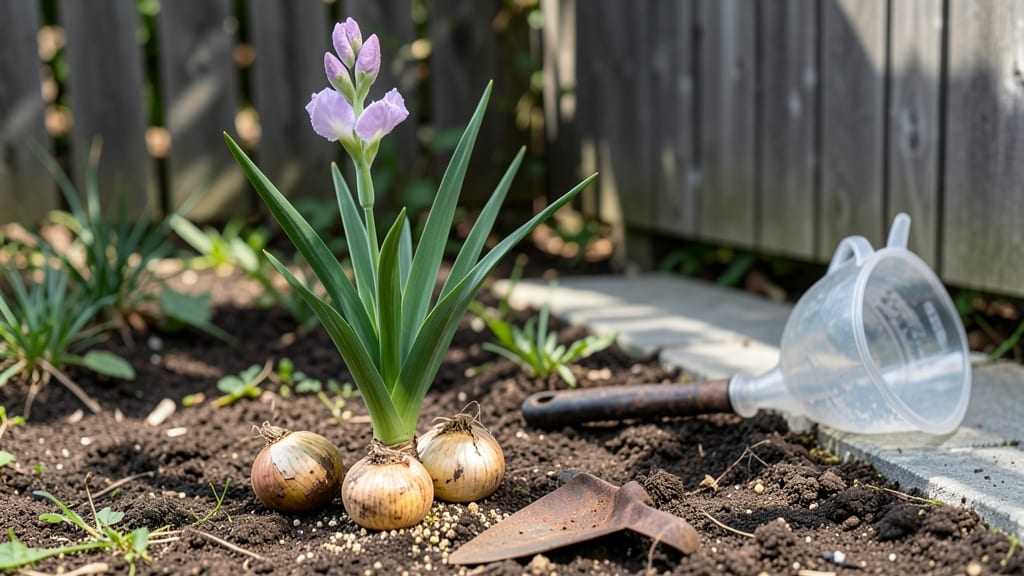
To plant gladiolus bulbs in Georgia for bold summer blooms, aim for late February through early April—just as soil warms and frost risks fade.
Georgia’s warm climate and long summers create the perfect stage for gladiolus blooms—but timing your planting wrong can mean missed flowers or stunted growth. Master the ideal window for USDA Zone 8a to ensure vibrant, show-stopping blooms from late summer through fall.
Unlike cooler climates, Georgia’s early spring heat means bulbs need to establish roots before temperatures climb. Planting too early risks rot in damp soil, while waiting too long can leave your garden bare by peak bloom season.
Below, I’ll break down the exact dates, soil prep, and regional tweaks for Zone 8a—plus how to stretch your blooms through Georgia’s brutal August heat without losing a single spike.
Best planting dates for gladiolus bulbs in Georgia’s Zone 8a climate
Gladiolus bulbs thrive in Georgia’s Zone 8a climate, but their planting timing is critical to avoid summer heat stress. Unlike cooler zones, Georgia’s early warm spells demand precise scheduling to ensure roots establish before 90°F+ temperatures arrive.
Plant too early, and frost may damage tender shoots; too late, and your blooms will struggle under relentless summer sun.
For Zone 8a gardeners, the ideal planting window spans from late February through early April, aligning with soil temperatures of 60-65°F. This timing gives gladiolus corms 6-8 weeks to root before Georgia’s peak summer heat—typically hitting 95°F by June.
Miss this window, and you risk stunted growth or bolting before flowering.
Georgia’s last average frost date in most of Zone 8a falls around March 15, but microclimates near the coast (like Savannah) may see frost-free conditions by February 20.
Use this as your minimum safe planting date, but aim for 3-4 weeks before to account for soil warming delays. For inland areas (e.g., Athens), wait until March 1 to ensure no late frosts.
Soil temperature is your true planting guide, not just calendar dates. Use a soil thermometer to confirm 60°F+ readings at 4-inch depth before planting. In Georgia, this typically aligns with late February to early March in most regions.
If your soil stays below 55°F past March 15, delay planting to avoid corm rot from cold, wet conditions.
Gladiolus corms need 6-8 weeks of root establishment before facing Georgia’s summer heat peaks. Planting in early March ensures blooms emerge by late July, avoiding the August heat crunch when temperatures often exceed 95°F.
Late plantings (after April 1) may produce smaller, weaker stems due to heat stress during critical growth stages.
For extended bloom seasons, consider staggered planting: start with 1/3 of your corms in late February, another 1/3 in early March, and the final 1/3 in mid-March.
This technique creates a prolonged flowering display from July through September, perfect for Georgia’s humid summer gardens. Just ensure all plantings occur before April 1 to avoid heat-related failures.
Georgia’s humidity levels (often 70-90% in summer) also influence planting success. High humidity increases fungal diseases like botrytis, so prioritize well-draining soil with organic matter to prevent corm rot.
Amend heavy clay soils with compost or perlite to improve aeration—critical for gladiolus health in Zone 8a’s wetter summers.
Protect your early spring plantings with row covers if late frosts threaten. While Zone 8a rarely sees hard frosts after March 15, light freezes (28-32°F) can damage emerging shoots.
Use frost cloth for 2-3 weeks post-planting in exposed garden beds. Once soil warms consistently above 60°F, remove covers to prevent heat buildup under plastic.
Remember: Gladiolus blooms thrive in heat, but their roots need time to adapt. By planting between late February and early April in Georgia’s Zone 8a, you’ll enjoy bold, vibrant blooms that outshine even the hottest summer days.
Start your corms now, and watch your garden transform into a show-stopping spectacle by midsummer! 🌸
How to adjust planting for Georgia’s microclimates (coastal vs. Piedmont regions)
Georgia’s diverse geography means your gladiolus bulbs may thrive in Savannah’s coastal humidity but struggle in Athens’ Piedmont heat. These microclimates create distinct growing conditions—from higher humidity near the coast to hotter, drier air inland.
Understanding these differences helps you time plantings and adjust care for bold, healthy blooms in either region.
Coastal areas like Savannah (Zone 8a) experience milder winters and higher summer humidity (70-80%), while Piedmont regions (e.g., Athens, Zone 7b) face hotter summers (90°F+) and lower humidity (50-60%). These shifts affect planting windows, watering needs, and even mulching strategies to prevent bulb rot or stress.
Soil drainage also varies—coastal soils often hold more moisture due to clay content, while Piedmont soils may dry out faster. I’ll show you how to adjust planting depth, mulch types, and watering schedules to match your local conditions for peak gladiolus performance.
In coastal Georgia, plant gladiolus bulbs earlier (late February) to take advantage of cooler soil temperatures and avoid fungal diseases from prolonged humidity. Use straw mulch to prevent rot while keeping roots cool. Water deeply but reduce frequency—coastal soils stay moist longer, so overwatering is a common mistake.
For Piedmont gardeners, delay planting until early March to escape late frosts and align with soil warming.
Use wood chip mulch to lock in moisture and protect from extreme heat. Water more frequently but shallowly—Piedmont’s dry air pulls moisture from soil quickly. Morning watering prevents evaporation loss and fungal issues.
Both regions benefit from raising beds slightly (2-3 inches) to improve drainage, especially after heavy rains. Coastal areas may need drainage tiles in low spots, while Piedmont gardens should avoid compacted soil by adding organic matter like leaf mold before planting.
Adjust your gladiolus care to your microclimate, and you’ll enjoy longer, healthier blooms all summer long. 🌸