
Plants
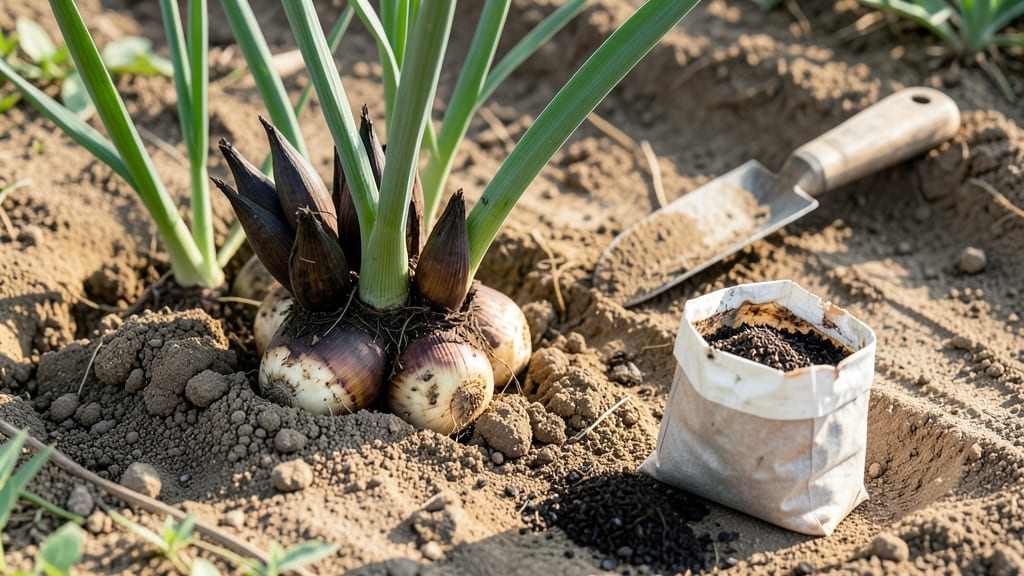
Planting gladiolus bulbs in the UK between March and July ensures stunning summer blooms, but timing depends on your local frost risks and soil warmth.
Picture this: you’ve spent months dreaming of vibrant gladiolus blooms 🌸, only to watch them wilt because you planted too early in cold soil or too late for peak flowering. UK gardeners face a tricky balance—get it wrong, and you’ll miss the show or risk frost damage.
The ideal window shifts by region: London’s milder climate lets you start in April, while Scotland’s later frosts push planting to May. Soil temperature is the real giveaway—wait until it hits 10°C (50°F), and your bulbs will thank you with bold, healthy growth.
In this guide, I’ll walk you through the exact months for your area, how to prep soil for success, and pro tips to stretch your blooming season—so you can enjoy months of color without the guesswork.
UK gladiolus planting calendar by region: frost dates and soil warmth zones
Gladiolus bulbs thrive in the UK when planted after the last frost date and when soil temperatures consistently reach 10°C (50°F). However, the UK’s diverse microclimates—from Scotland’s cooler zones to England’s warmer inland areas—mean planting times vary significantly.
Coastal regions often warm earlier than inland spots, while highland areas may face late frosts until May or June. Understanding your USDA zone (7b–9a) and local frost patterns is key to timing your gladiolus bulbs for peak summer blooms.
For most UK gardeners, the ideal planting window spans from late April to early July, but this shifts based on your region.
In southern England, you can start as early as mid-March in sheltered microclimates, while Northern Ireland and Scotland may need to wait until May or June.
Below, I’ve broken down the planting calendar by region, including soil warmth thresholds and last frost averages to help you align your schedule with your local climate.
In southern England, where USDA zones 8b–9a dominate, you can push the envelope by planting as early as mid-March in microclimates like greenhouses or south-facing beds. However, soil temperature is your best guide—wait until it consistently stays above 10°C (50°F) at a 10cm depth.
Use a soil thermometer or the "squeeze test": if soil crumbles easily when pressed, it’s warm enough. In London or Brighton, this often aligns with early April, but inland areas like Oxfordshire may lag until mid-April.
For Scotland and Northern Ireland, patience is key. The last frost date here can stretch into June, especially in highland zones (6b–7a). To extend your season, opt for cold-hardy varieties like 'White Wings' or 'Black Star', which tolerate cooler soils.
If you’re eager to start earlier, use cloches or fleece covers to protect young shoots from late frosts. These regions also benefit from staggered planting: begin with a few bulbs in June and add more in July for a prolonged summer-to-autumn display.
Wales presents a unique challenge due to its mountainous terrain. Lowland areas like Cardiff mirror the Midlands’ schedule, but Snowdonia’s higher elevations may require waiting until June.
Test your soil’s readiness by planting a test bulb in a pot—if it thrives, your outdoor soil is likely safe. For coastal Wales, where maritime climates moderate temperatures, you can align with Midlands planting times, but monitor wind exposure, which can delay warming.
Regardless of your region, avoid planting gladiolus bulbs in cold, wet soil, as this invites rot and fungal diseases. Amend your soil with com
How to adjust planting time for early vs. late summer blooms
Extending your gladiolus blooms across summer isn't just about timing—it's about strategic planting. By staggering your gladiolus bulb varieties, you can create a continuous color show from June through September. The key lies in understanding how soil warmth and day length trigger flowering in different varieties.
For early summer blooms, opt for cold-hardy varieties like 'White Prosperity' or 'Pink Perfection'. These can be planted as early as March in warmer UK regions (e.g., London, Southeast England) when soil temperatures reach 10°C (50°F). In cooler areas like Scotland, wait until mid-April to avoid frost damage.
Early Planting (March-April)
Late Planting (May-June)
For late-season blooms, choose heat-tolerant varieties like 'Black Star' or 'Green Star'. These thrive when planted in May or early June, ensuring vibrant flowers in August and September. The trade-off? You'll miss the June-July peak, but your garden will stay colorful longer.
My top tip: Plant three batches of gladiolus bulbs—one in March-April, another in May, and a final batch in early June. This creates a 3-month bloom cycle with minimal gaps. Just ensure each batch gets full sun (6+ hours daily) and well-draining soil.
Another trick is to use cloches or fleece covers for early plantings in cooler UK regions. This protects tender shoots from late frosts while accelerating growth. In warmer areas, prioritize shade cloth during extreme heat to prevent bud blast.
Remember: Bulb viability decreases with late planting. If you start after mid-June, your gladiolus may not flower at all. Balance your timing with local frost dates—check the Met Office for your region’s last frost risk.