
Plants
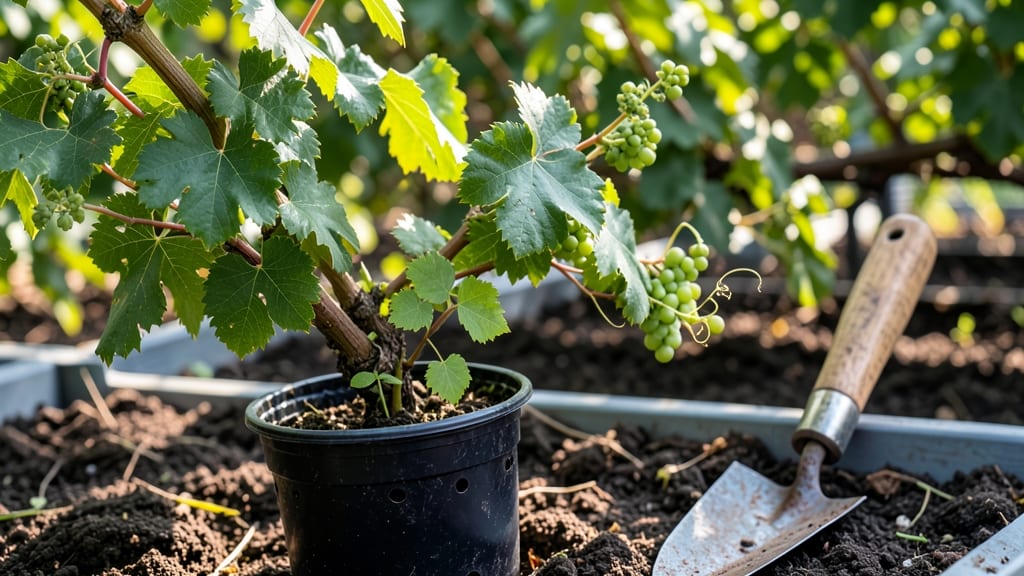
Planting grapes in North Carolina at the right time ensures strong root growth and a bountiful harvest 🍇 — aim for late winter to early spring or fall, when soil temperatures and frost risks align.
North Carolina’s warm climate and diverse microclimates make it an ideal region for growing grapes—but timing your planting wrong can mean lost harvests or stunted vines.
Missing the frost-free window by even a few weeks can spell disaster for tender grape roots, especially in zones like 6a-8b where last frosts vary wildly from Charlotte to Asheville.
Whether you’re planting bare-root vines or container-grown cuttings, the key is soil temperature above 50°F and no frost in the forecast. For warm-season varieties like Muscadines, late winter or early spring is ideal, while cold-hardy hybrids can handle fall planting as late as October.
Below, I’ll break down the exact frost-free deadlines by region, soil prep secrets for NC’s clay-heavy soils, and pro tips to extend your planting window safely—so you can avoid the common mistakes that leave vines struggling by summer.
NC frost-free deadlines for planting grapes by variety (2024 guide)
North Carolina gardeners know timing is everything when planting grapes. The frost-free window determines whether your vines thrive or freeze. In USDA zones 5b-8a, last frost dates vary dramatically—from March 15 in Raleigh to April 15 in Asheville.
Planting too early risks frost damage, while waiting too long delays root establishment.
Your grape variety matters too. Muscadines handle NC’s humidity better than Vinifera grapes, which need warmer microclimates. Hybrid varieties offer a middle ground. Below, I’ve mapped out the critical planting windows by region and variety, plus adjustments for bare-root vs. container planting.
| Variety | USDA Zones | Raleigh Last Frost | Asheville Last Frost | Wilmington Last Frost | Ideal Planting Window |
|---|---|---|---|---|---|
| Muscadine (e.g., 'Scuppernong') | 6a-8a | March 15 | April 15 | March 1 | Feb 20–Mar 31 (bare-root) or Sep 15–Oct 15 (container) |
| Vinifera (e.g., 'Cabernet Sauvignon') | 7a-8a | March 15 | April 15 | March 1 | Apr 1–Apr 15 (bare-root) or Sep 1–Sep 15 (container) |
| Hybrid (e.g., 'Catawba') | 5b-8a | March 15 | April 15 | March 1 | Feb 28–Apr 1 (bare-root) or Sep 10–Oct 10 (container) |
*Adjust for container planting: Can extend window by 2-3 weeks in either direction.
For bare-root vines, aim to plant 2-4 weeks before your last frost date. This gives roots time to establish before warm weather triggers growth. In Raleigh (Zone 7b), that means late February to early March for Muscadines, while Asheville (Zone 6b) gardeners should wait until mid-April.
Container-grown grapes offer flexibility. You can plant 2-3 weeks earlier or later than bare-root deadlines because pots insulate roots slightly. However, avoid planting when soil temps drop below 50°F (10°C)—grapes won’t thrive in cold soil. Use a soil thermometer to check before planting.
Pro tip: Fall planting (September–October) works well for container grapes in Zones 7a-8a. The vines establish roots before winter dormancy, giving them a head start in spring. Just ensure the soil is 60°F (15°C) or warmer at planting time.
Microclimates matter too. South-facing slopes in Asheville warm up faster, while Coastal Plain areas near Wilmington have milder winters. Use these local advantages to push your planting window by 1-2 weeks if needed.
If you’re in Zone 5b (Mountains), prioritize cold-hardy hybrids like 'Norton' or 'Valvin Muscat'. These varieties tolerate earlier planting (February) and survive lighter frosts. In Zone 8a (Coastal), even Vinifera grapes can handle March planting with proper mulching.
Remember: Frost damage to new shoots is more dangerous than root damage. If frost threatens after planting, cover young vines with row fabric or a lightweight blanket. Remove covers during the day to prevent overheating.
Now that you’ve got your planting deadlines locked in, the next step is soil prep. Grapes need well-draining soil with pH 6.0-6.5. Stay tuned for my next section on NC-specific soil amendments to set your vines up for success!
Soil preparation checklist: how to ready NC soil for grapes before planting
Before planting grapes in North Carolina, your soil needs careful attention—especially since clay-heavy soils in the Piedmont and sandy Coastal Plain regions behave very differently. Grapes thrive in well-draining, slightly acidic soil with a pH between 6.0 and 6.5.
Skipping soil prep can lead to poor root growth, disease, or even vine death, so let’s get your garden ready for a thriving grapevine.
Start by testing your soil’s pH and texture. North Carolina’s USDA zones 6a-8b mean you’ll encounter everything from heavy clay in the Piedmont to loamy sand near the coast.
Use a simple soil test kit (available at garden centers) or send a sample to the NC Department of Agriculture for professional analysis. This step is non-negotiable—grapes won’t tolerate extremes, and amending soil without knowing its baseline is like flying blind.
Once you know your soil’s pH and composition, it’s time to amend it. For clay-heavy soils (common in Raleigh and Asheville), mix in 2-3 inches of compost or aged manure to improve drainage and aeration.
In sandy Coastal Plain soils (like those in Wilmington), blend in peat moss or coconut coir to retain moisture and nutrients. Both regions benefit from a 1-inch layer of mulch after planting to lock in moisture and regulate soil temperature.
🌱 Soil Prep Checklist for NC Grapes
- ✅ Test soil pH (aim for 6.0-6.5; adjust with lime for acidity or sulfur for alkalinity).
- ✅ Amend clay soil with compost or sand (50/50 mix) to improve drainage.
- ✅ Boost sandy soil with peat moss or compost to retain moisture and nutrients.
- ✅ Add organic matter (e.g., well-rotted manure) for long-term fertility.
- ✅ Create a raised bed (optional) if drainage is poor—grapes hate soggy roots!
- ✅ Mulch heavily (3-4 inches) with straw or wood chips to suppress weeds and retain moisture.
- ✅ Plant in full sun (6+ hours daily) with south-facing exposure for maximum warmth.
For fertility, choose between organic and synthetic options based on your preference. Organic gardeners swear by compost tea or fish emulsion for a gentle nutrient boost, while synthetic lovers reach for 10-10-10 fertilizer (balanced NPK) applied in early spring.
Avoid over-fertilizing—grapes prefer moderate nutrition over high-intensity feeding, which can lead to excessive foliage at the expense of fruit.
Drainage is critical, especially in North Carolina’s heavy rainfall zones. If your soil holds water like a sponge, consider planting grapes on a slight slope or creating a raised bed.
For container-growing (great for small spaces or poor soil), use a mix of 50% potting soil, 30% compost, and 20% perlite to ensure roots stay aerated. Remember, waterlogged roots = dead vines, so prioritize drainage over all else.
Finally, let the amended soil settle for 2-4 weeks before planting. This gives microbes time to break down organic matter and improves soil structure. Mark your calendar for the optimal planting window (late winter to early spring or fall, depending on your variety) and you’ll be ready to plant confidently.
With the right soil prep, your grapes will establish strong roots and reward you with abundant harvests for years to come.