
Plants
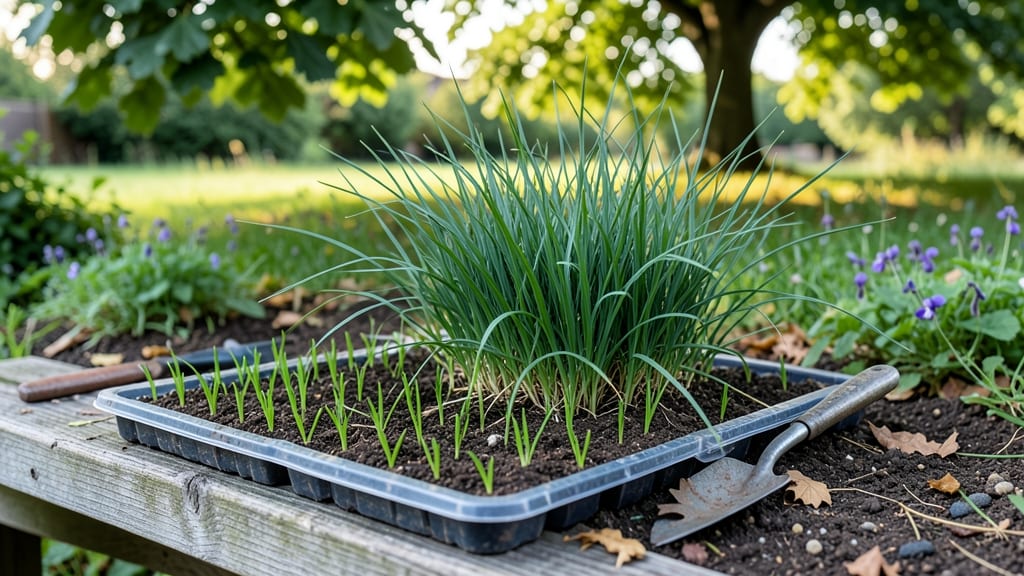
Planting grass in North Carolina at the right time means the difference between a thick, green lawn and a frustrating patchwork of brown spots—especially when you factor in the state’s varied climate zones and unpredictable weather.
If you’ve ever stared at a calendar in March, wondering whether to risk planting or wait a little longer, you’re not alone. The answer depends on your USDA zone, soil type, and even the grass variety you’re planting.
In zones like 6a, where frosts linger into April, timing matters even more than in warmer 8b areas.
Most experts agree that early spring (March-April) and early fall (August-September) are the safest windows for establishing grass 🌱. But there’s more to it than just picking a month—soil prep, seed selection, and even watering schedules shift based on when you plant.
Below, I’ll walk you through the best months for your region, how to prep your soil for success, and how to adjust for North Carolina’s weather quirks—so you can finally get that lawn you’ve been dreaming of.
Best months to plant grass in North Carolina by climate zone
North Carolina’s three distinct climate zones—Coastal Plains, Piedmont, and Mountains—create wildly different conditions for grass planting. The Coastal Plains (zones 8a-8b) enjoy longer growing seasons, while the Mountains (zones 6a-7a) face earlier frosts.
Even within these zones, microclimates (like urban heat islands or shaded slopes) can shift your ideal planting window by weeks. To succeed, match your grass type to your zone and plant during the optimal 4-6 week window before extreme heat or cold.
Cool-season grasses like tall fescue and Kentucky bluegrass thrive in the Piedmont and Mountains, while warm-season grasses such as Bermuda and Zoysia dominate the Coastal Plains. Planting at the wrong time can lead to poor germination, disease pressure, or wasted seed.
For example, seeding Bermuda grass in the Piedmont during summer’s 90°F+ heat will fail—it needs soil temps above 65°F but can’t handle drought stress. Let’s break down the perfect planting windows for each zone.
🌱 Pro Tip: Use the USDA Plant Hardiness Zone Map (available at planthardiness.ars.usda.gov) to confirm your zone. For North Carolina, most homeowners fall into zones 6a-8b, but elevation changes can push Mountain regions into zone 5b.
| Climate Zone | Grass Type | Best Planting Months | Soil Temp Requirement | Key Risks to Avoid |
|---|---|---|---|---|
| Coastal Plains (Zones 8a-8b) | Bermuda, Zoysia, Centipede | Late March–April OR August–September |
65–75°F (spring) 70–80°F (fall) |
Summer drought Hurricane season delays |
| Piedmont (Zones 7a-7b) | Tall Fescue, Fine Fescue, Ryegrass | Early March–April OR Late August–September |
50–65°F (spring) 60–70°F (fall) |
Late spring frosts Summer heat stress |
| Mountains (Zones 6a-7a) | Tall Fescue, Kentucky Bluegrass, Perennial Ryegrass | Mid-April–May OR Late July–August |
45–60°F (spring) 55–65°F (fall) |
Early fall frosts Poor drainage in valleys |
In the Coastal Plains, Bermuda grass is the gold standard for durability and heat tolerance, but it must be planted when daytime highs are consistently below 90°F. Aim for late March–April to avoid summer’s humidity and drought.
If you miss that window, late summer (August) is your backup—just ensure soil temps stay above 65°F for 4+ weeks. Zoysia grass, another warm-season favorite, follows the same timeline but handles shadier conditions better.
For the Piedmont region, tall fescue is the workhorse grass, thriving in partial shade and drought-prone areas.
Plant in early spring (March–April) when soil temps hover around 50–65°F, giving seedlings time to establish before summer’s heat. Fine fescue, a shade-tolerant option, can even handle late fall plantings (September) if your area has mild winters.
Avoid seeding in summer—the combination of heat and humidity invites fungal diseases like brown patch.
The Mountains’ cooler
Soil preparation checklist: 5 critical steps before planting grass
North Carolina’s soil can be as varied as its climate—from heavy clay in the Piedmont to sandy loam in the Coastal Plains. Before you even think about planting grass seed, you need to prep your soil properly.
Skipping this step often leads to poor germination, weed competition, or a lawn that struggles to establish. The key is creating an environment where grass roots can spread freely and nutrients are readily available.
I’ve seen too many gardeners rush this step and end up with patchy lawns or wasted seed. The good news? With just five critical steps, you can set your grass up for success. Start by testing your soil pH—most grasses thrive between 6.0 and 7.0.
If your soil is too acidic or alkaline, a simple amendment like lime or sulfur can make all the difference. Don’t overlook drainage either; standing water will drown your grass before it even gets a chance to grow.
📋 Soil Prep Checklist: 5 Non-Negotiable Steps
- 1. Test Soil pH – Use a soil test kit (available at garden centers) to check pH. Aim for 6.0–7.0 for most grass types. Adjust with lime (for acidic soil) or sulfur (for alkaline soil).
- 2. Loosen Compacted Soil – Use a garden tiller or broadfork to break up 2–4 inches of soil. Compacted soil blocks root growth and leads to poor establishment.
- 3. Amend for Texture – Mix in compost (1–2 inches) for sandy soil or peat moss for clay. This improves water retention and nutrient availability.
- 4. Remove Weeds & Debris – Pull weeds by hand or use a non-selective herbicide (like glyphosate) 2 weeks before planting. Rake away rocks, roots, and thatch.
- 5. Choose the Right Seed Blend – Match your seed to your USDA zone and sun exposure. For NC, tall fescue (cool-season) or Bermuda (warm-season) are top picks.
One common mistake I see is skipping the soil test or assuming the soil is "fine" just because it looks dark. Clay soil, for example, can be nutrient-rich but drains poorly, while sandy soil may need organic matter to hold moisture.
Take the time to test—it’s the foundation of a healthy lawn. If your soil is extremely poor, consider adding a slow-release fertilizer at planting time to give your grass a nutrient boost.
After prepping, level the soil with a lawn rake to create a smooth surface. This ensures even seed distribution and better contact with the soil. Pro tip: Lightly water the area the day before planting to help seeds settle into the soil once you spread them.
Avoid walking on the soil after this step to prevent compaction.
Finally, choose your grass seed blend carefully. In North Carolina’s Piedmont, where summers are hot and humid, tall fescue is a reliable choice because it tolerates heat and drought better than Kentucky bluegrass.
For the Coastal Plains, where winters are milder, Bermuda grass thrives in full sun and handles the heat well. Always check the seed bag for percent germination—aim for at least 80% for best results.
With these five steps, you’ll create the perfect canvas for your new lawn. The effort you put in now will pay off in a thick, green carpet that stays healthy year after year—no more brown patches or weed battles! 🌱