
Plants
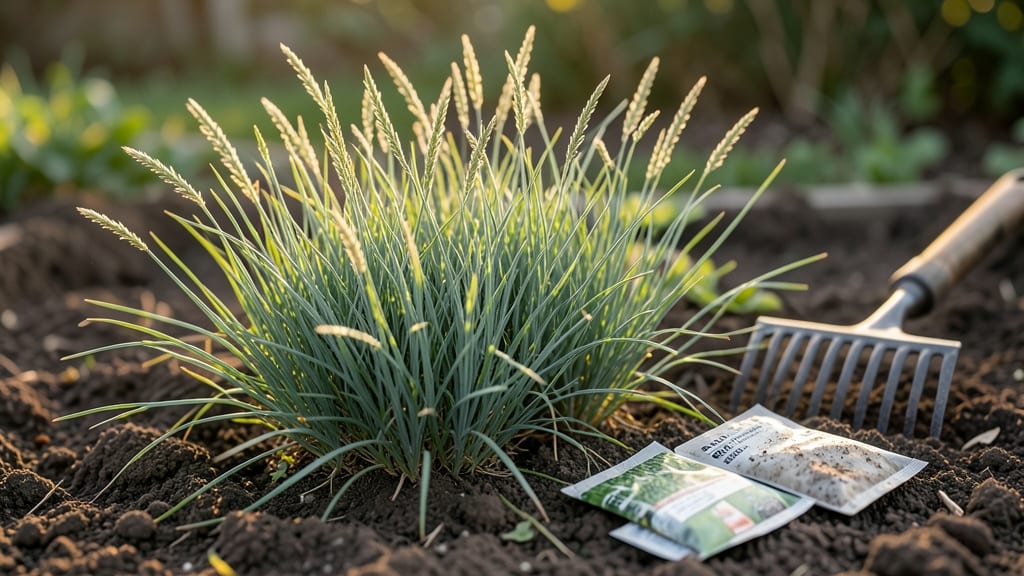
Planting grass seed in the Northeast at the right time ensures strong root growth and a lush lawn 🌱 — aim for early spring or early fall when soil temperatures are ideal.
Timing your grass seed planting in the Northeast can mean the difference between a lush, green lawn and months of patchy, weak growth—so getting it right matters more than you think.
Cool-season grasses like Kentucky bluegrass and fescue thrive when planted between March and April or September and October, while warm-season grasses need a slightly later start. Missing these windows risks weak germination or summer drought stress.
Below, I break down the exact planting deadlines by USDA zone, soil prep tips, and how to protect your new grass from late frosts or heatwaves—so you can finally get that dream lawn.
Northeast USDA Zone planting windows: exact months for cool-season vs. warm-season grass
Getting the timing right for grass seed in the Northeast isn't just about picking a month—it's about understanding your USDA zone and the unique needs of your grass type.
Cool-season grasses like Kentucky bluegrass and tall fescue thrive when planted in early fall, while warm-season grasses like Bermuda prefer late spring planting. Each zone (4-7) has its own ideal window, and missing it can mean weak roots or patchy growth.
The early fall window (September-October) is often the best time for cool-season grasses because soil stays warm enough for germination while cooler air reduces stress on young seedlings.
In Zone 5a, for example, you’ll want to plant by mid-October to avoid early frosts, while Zone 7b gardeners can extend planting into early November.
Warm-season grasses like Zoysia or Bermuda (common in Zone 7) need late spring planting—typically May to early June—when soil temperatures consistently stay above 65°F. Planting too early risks seed rot from lingering cool soil, while waiting too long can stress seedlings before summer heat sets in.
Here’s a quick breakdown of the best planting months by zone and grass type to help you plan:
| USDA Zone | Cool-Season Grass | Warm-Season Grass | Soil Temp Requirement | Key Consideration |
|---|---|---|---|---|
| Zone 4-5a | September 15–October 15 | N/A (Zone too cold) | 50–65°F | Avoid early frost; mulch after planting. |
| Zone 5b-6a | September 1–October 30 | Late May–June 15 | 50–65°F (cool) / 65–75°F (warm) | Water deeply 2x/week post-planting. |
| Zone 6b-7a | September 15–November 1 | May 15–June 30 | 50–65°F (cool) / 65–80°F (warm) | Use shade cloth if planting late spring. |
| Zone 7b | September 1–November 15 | April 15–June 15 | 50–65°F (cool) / 65–85°F (warm) | Monitor for summer heat stress. |
For cool-season grasses, the 6-week window before first frost is critical. In Zone 6a, that’s typically early September to mid-October, while Zone 7b gardeners can push it to early November. This timing ensures seedlings establish roots before winter dormancy.
If you missed the fall window, early spring planting (March-April) is your next best option. However, avoid planting too early—soil in Zone 4-5a can still be too cold for germination before mid-April. Use a soil thermometer to confirm temperatures are above 50°F.
Warm-season grasses like Bermuda or Zoysia in Zone 7 have a shorter window—plant too late, and seedlings won’t establish before summer heat arrives. Aim for late May to early June when soil temperatures consistently stay above 65°F for at least a week.
Pro tip: Test your soil temperature before planting. Stick a thermometer 2 inches deep—if it’s below 50°F for cool-season grasses or below 65°F for warm-season types, wait a few more days. Patience here prevents seed rot and ensures strong root growth.
Remember, late summer planting (August) is a risky gamble unless you’re in Zone 7b. By then, weeds compete aggressively, and warm soil can dry out seeds before they sprout. When in doubt, fall is your safest bet for cool-season grasses, while late spring works best for warm-season varieties.
🌱
How soil temperature and weather affect Northeast grass seed germination rates
Understanding how soil temperature and weather patterns influence grass seed germination is key to establishing a healthy lawn in the Northeast. Cool-season grasses like Kentucky bluegrass and tall fescue thrive when soil temperatures hover between 50–65°F, while warm-season varieties like Bermuda grass prefer warmer conditions above 65°F.
These thresholds directly impact how quickly seeds sprout and root.
In the Northeast, spring and fall offer the most stable conditions for germination. During these seasons, daytime temperatures are moderate, and nighttime temperatures don’t dip too low, creating an ideal environment for young seedlings. However, unexpected heatwaves or early frosts can derail your efforts if you’re not prepared.
⚠️ callout warning
If your soil temperature exceeds 75°F, germination slows dramatically, and seeds may fail to sprout. Similarly, temperatures below 45°F can stunt root development. Use a soil thermometer (available for $10–$20) to check depth—ideal planting depth is ¼ inch below soil level.
🌱 Pro Tip: If temps spike above 80°F, delay planting until evening or water heavily to cool the soil.
Rainfall plays an equally critical role in germination success. Cool-season grasses need 1–1.5 inches of water weekly during establishment, either from rainfall or irrigation. In the Northeast, spring showers often provide this moisture naturally, but summer droughts can stress young seedlings.
Always water deeply in the morning to reduce evaporation and fungal risks.
If you’re planting in late spring and face a sudden heatwave, consider using a lightweight row cover or shade cloth to protect seedlings from direct sunlight. For early fall plantings, watch for first frost dates—seeds should germinate and establish roots 4–6 weeks before frost to survive winter.
Adjusting for unpredictable weather means staying flexible. If a cold snap hits after planting, cover seeds with straw mulch to insulate them. Conversely, if dry conditions persist, increase watering frequency to daily until germination occurs. Monitoring local forecasts and soil conditions will help you make timely adjustments.
By aligning your planting schedule with soil temperature thresholds and weather patterns, you’ll give your grass seed the best chance to germinate quickly and establish strong roots. Patience and preparation are key—don’t rush the process, even if your neighbors are already mowing their lawns! 🌿