
Plants
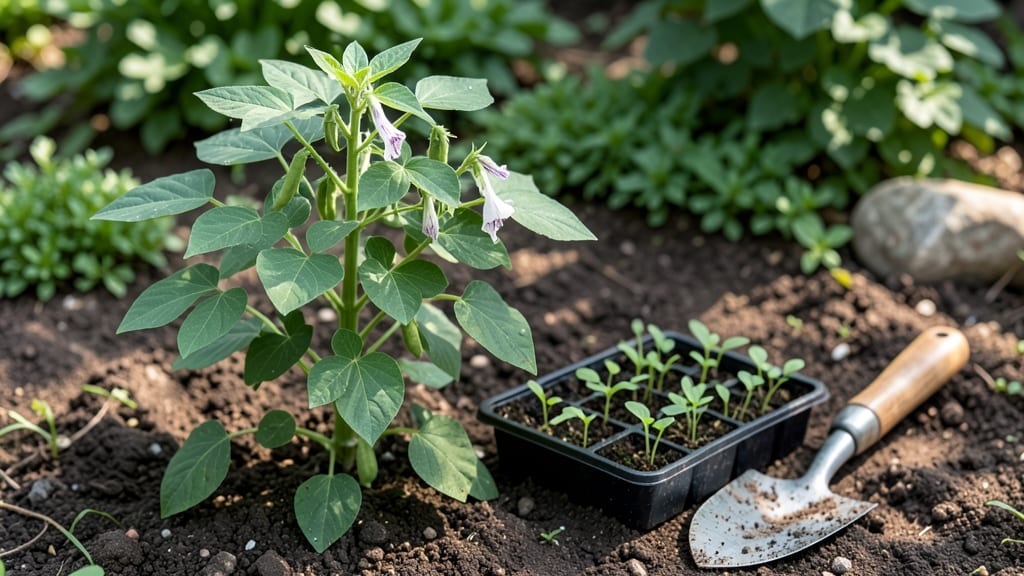
Planting green beans in Nebraska after the last frost date—typically April 15—sets you up for a bountiful harvest before summer’s heat peaks.
Nebraska’s unpredictable spring weather can make or break your green bean harvest—plant too early and risk frost damage, too late and miss peak production.
With USDA zones 5a-6b and 165 frost-free days, timing is everything. Whether you’re growing bushy Blue Lake or climbing Kentucky Wonder, these deadlines ensure your beans thrive from seed to pod.
Below, I break down the best planting windows for your region, soil temperature tips, and how to stretch your harvest with succession planting—so you’re picking crisp pods from June through October.
Nebraska green bean planting dates by frost Zone and variety
Nebraska’s three USDA hardiness zones (5a-6b) create distinct planting windows for green beans. Zone 5a (western Nebraska) has the shortest growing season, while Zone 6b (southeastern Nebraska) enjoys 10-14 extra frost-free days. Understanding these differences ensures your bush beans and pole beans mature before fall frosts strike.
Most Nebraska gardeners focus on two planting windows: spring (after last frost) and fall (for late-season harvests). Blue Lake, Kentucky Wonder, and Provider varieties thrive in these conditions, but timing varies by 1-2 weeks depending on your location.
Let’s break down the frost-free deadlines for Lincoln, Omaha, and western Nebraska regions.
🌱 Last frost averages:
- Lincoln (Zone 5b-6a): April 15 (varies ±7 days)
- Omaha (Zone 5b): April 22 (±5 days)
- Western NE (Zone 5a): May 1 (±10 days)
| USDA Zone | Region | Last Frost Date | Spring Planting Window | Fall Planting Window | Best Varieties |
|---|---|---|---|---|---|
| 5a | Western NE (Chadron, Scottsbluff) | May 1 (±10 days) | May 15 - June 10 | July 20 - August 5 | Provider, Blue Lake, Tendercrop |
| 5b-6a | Central NE (Lincoln, Kearney) | April 15 (±7 days) | April 25 - May 15 | July 10 - July 25 | Kentucky Wonder, Blue Lake, Contender |
| 6b | Southeast NE (Omaha, Nebraska City) | April 22 (±5 days) | April 30 - May 10 | July 5 - July 20 | Blue Lake, Golden Gate, Masai |
Bush beans like Blue Lake and Kentucky Wonder mature faster (50-55 days), making them ideal for Nebraska’s shorter seasons. Pole beans like Provider take 60-65 days but produce longer harvests. Plant bush beans first in spring (April 25-May 10) for early harvests, then follow with pole beans (May 15-June 10) for extended production.
For fall plantings, aim for July 5-August 5 to ensure beans mature before first frost (October 15). Provider pole beans work well for fall because their vines can handle cooler temperatures. Test soil temperature—wait until it reaches 60°F+ before planting, even if frost dates suggest readiness.
Western Nebraska’s Zone 5a gardeners should prioritize early-maturing varieties like Tendercrop (45 days) to avoid fall frosts. In Omaha’s Zone 6b, you can push the envelope with Golden Gate wax beans (55 days) for late-summer harvests.
Always check your local Almanac’s frost predictions—Nebraska’s weather can shift dramatically from year to year.
Succession planting every 2 weeks after your initial window extends harvests. For example, in Lincoln, plant Blue Lake bush beans on April 25, May 10, and May 25 for staggered pods. Pole beans planted June 1 will still produce until late August.
This strategy maximizes your garden’s potential and reduces waste.
If you’re in Omaha or Lincoln, consider a second fall crop of bush beans in early July. These will mature by September, giving you fresh pods when summer harvests wind down. Just be prepared to cover plants with row fabric if early October frosts threaten.
A 100°F summer can stress beans, so provide afternoon shade and consistent watering (1 inch/week) to keep pods crisp.
Pro tip: Use black plastic mulch to warm soil faster in spring. This lets you plant 1-2 weeks earlier than traditional methods, especially in Zone 5a areas. Pair it with drip irrigation to maintain even moisture—Nebraska’s windy conditions can dry out soil quickly.
Remember, soil temperature matters more than air temperature. Use a soil thermometer to confirm 60°F+ before planting. If your soil is cold but frost dates suggest readiness, wait—cool soil delays germination and weakens seedlings. Patience pays off with healthier plants and bigger harvests.
5 Critical factors that change your Nebraska green bean planting window
Nebraska’s spring frost and summer heat create a tight window for planting green beans. Unlike coastal states, our USDA Zones 5a-6b demand precision—delaying planting by even a week can mean missed harvests or stunted growth.
Understanding these five critical factors will help you adjust your schedule for maximum success, whether you're growing bush beans or pole varieties.
First, soil temperature is non-negotiable. Green beans won’t germinate until the soil reaches 60°F. In eastern Nebraska, this typically happens around mid-April to early May, but western regions can be 2-3 weeks earlier.
Use a soil thermometer to confirm—cold soil will leave you waiting weeks for sprouts, wasting your planting window.
Microclimates within Nebraska add another layer of complexity. A south-facing slope in Lincoln might warm up faster than a low-lying valley in Omaha, creating a 10-14 day difference in safe planting dates. Observe your garden’s sun exposure and wind patterns—even a fenced area can create a microclimate worth leveraging for earlier plantings.
🌱 5 Factors That Shift Your Nebraska Green Bean Planting Window
- 1. Soil Temperature: Wait until soil hits 60°F (mid-April to early May in eastern NE, earlier west).
- 2. Microclimates: South-facing slopes warm 2 weeks faster than low-lying areas.
- 3. Succession Planting: Stagger plantings every 2 weeks for continuous harvests through summer.
- 4. Late-Spring Freezes: Eastern NE faces 10% risk of frost after April 15—use row covers if planting early.
- 5. Summer Heat: Plant pole beans by July 1 for fall harvests before 100°F heat stunts growth.
Don’t overlook succession planting—this is your secret weapon for non-stop harvests. In Nebraska’s short growing season, planting 2-3 rounds of beans 2 weeks apart ensures you’re always picking fresh pods.
For example, start your first batch in late April, then follow with May 15 and June 1 plantings. This strategy works especially well for bush beans, which mature faster than pole varieties.
Eastern Nebraska gardeners face an additional frost risk that westerners can ignore. While the average last frost date is April 15, there’s a 10% chance of frost lingering into early May.
If you’re eager to plant early, have row covers ready or choose cold-tolerant varieties like Provider or Kentucky Wonder. These varieties can handle light frosts better than delicate Blue Lake beans.
Finally, Nebraska’s summer heat isn’t just a challenge—it’s a deadline. By mid-July, daytime temperatures often exceed 90°F, and by August, we hit 100°F+. If you want a fall harvest, plant pole beans by July 15.
Their vines provide shade to the soil, reducing heat stress on roots. For bush beans, aim for late July plantings—they mature faster and can produce pods before the heat peaks.
Master these five factors, and you’ll turn Nebraska’s unpredictable climate into your advantage. Start with soil temperature, adjust for your microclimate, and use succession planting to stretch your harvest. With this strategy, you’ll enjoy fresh green beans from June through September—no matter where you garden in the state. 🌿