
Plants
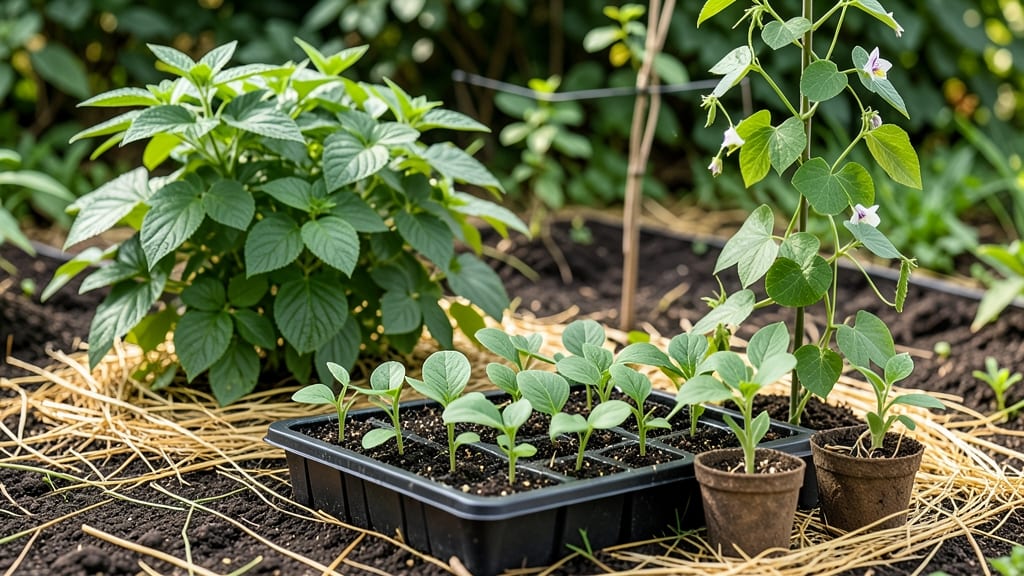
Plant green beans in Seattle after the last frost, when soil temperatures hit 50°F (10°C) — typically between mid-April and mid-June for a spring harvest, or late August to mid-September for fall.
Seattle’s unpredictable weather can make or break your green bean harvest—plant too early, and frost will strike; too late, and your crop will suffer from summer’s heat. Timing is everything for a bountiful yield.
In USDA Zone 8a, the average last frost date is around March 15, but urban areas like downtown Seattle often warm up faster than rural spots. That’s why checking soil temps (not just air temps) is the key to success.
Below, I’ll break down the exact planting windows, how to adjust for Seattle’s microclimates, and the best varieties to grow for two harvests a year—plus pro tips to keep pests and powdery mildew at bay.
Seattle’s frost-free dates for planting green beans: exact timeline
Seattle’s USDA Zone 8a climate creates a 165-day frost-free window—perfect for growing green beans if timed correctly. The average last frost date hovers around March 15, but cold snaps can linger until April 15, especially in cooler microclimates like the North Cascades foothills.
Meanwhile, the first frost typically arrives October 15, though urban heat islands may delay it until late October.
To maximize your harvest, I recommend focusing on two key planting windows: spring (April 15–June 15) and fall (August 1–September 15). These windows align with Seattle’s warm soil temperatures (ideal at 50°F+) and consistent sunlight (6+ hours daily).
Planting outside these windows risks frost damage or heat stress during Seattle’s summer droughts.
Here’s the exact timeline for planting bush beans and pole beans in Seattle, including soil prep and harvest expectations:
For spring plantings, I prioritize bush varieties like ‘Blue Lake’ or ‘Kentucky Wonder’ for their shorter maturity (55 days), which reduces frost risk. Pole beans, such as ‘Rattlesnake’ or ‘Blue Lake Pole’, thrive in late spring plantings (May–June) when temperatures stabilize above 60°F.
Fall plantings are trickier in Seattle due to shorter daylight and cooler nights. Start with fast-maturing bush beans (e.g., ‘Contender’) planted by August 15 to harvest before October’s first frost.
If you’re ambitious, try pole beans in early August with row covers to extend the season—just be prepared to harvest quickly.
Pro tip: Monitor Seattle’s microclimates. Areas like Ballard or West Seattle often stay 5–10°F warmer than Eastside suburbs, allowing a 2-week later planting window. Use a soil thermometer to confirm 50°F+ soil temps before planting—cold soil delays germination.
Seattle’s summer heat waves (June–July) can stress green beans, so mulch heavily to retain moisture and water deeply in the morning. Avoid overhead watering to prevent fungal diseases like powdery mildew, which thrives in Seattle’s humid summers.
With the right timing, you’ll enjoy fresh pods from June through October!
🌱
How to adjust planting for Seattle’s microclimates: urban vs. rural tips
Seattle’s diverse microclimates can shift your green bean planting window by weeks—sometimes even months. Urban areas like Downtown or Ballard experience heat islands that delay frost, while coastal zones (like West Seattle) stay cooler longer.
Inland spots like Issaquah face earlier frosts. Understanding these variations helps you time your bush and pole beans perfectly for a longer harvest.
For example, urban gardens might safely plant pole beans by April 15, while coastal gardeners should wait until May 1. Inland areas often need to start seeds indoors by March 15 to avoid frost damage.
These differences mean your neighbor’s successful harvest might not match your own if you plant blindly.
🌱 Key Takeaway: Seattle’s urban heat islands can add 10–14 days to your frost-free season compared to rural or coastal areas. Use this comparison table to adjust your planting strategy.
If you’re in an urban heat island, take advantage of the extra warmth by planting pole beans early—these vining varieties thrive with longer growing seasons. For coastal areas, prioritize bush beans (like ‘Blue Lake’) which mature faster in cooler conditions.
Inland gardeners should opt for cold-hardy varieties like ‘Kentucky Wonder’ and use row covers to push your harvest into early October.
To extend your green bean season, consider these low-cost tricks: Use row covers (like Agribon) to delay spring frosts by 2–3 weeks, or set up a cold frame to harvest into November.
In urban areas, black plastic mulch warms soil faster, letting you plant 2 weeks earlier than bare ground. For coastal gardens, straw mulch insulates roots during cooler nights.
Pro tip: Monitor your local Seattle Public Utilities frost alerts or use a soil thermometer—green beans need soil temps of at least 50°F (10°C) to germinate.
In urban pockets, sidewalks and buildings can create microclimates where soil warms 5–7 days faster than rural areas. Adjust your planting date accordingly!
Don’t let Seattle’s microclimate quirks catch you off guard. With the right adjustments, you can enjoy fresh green beans from June through October, regardless of where you garden in the city. Start with the table above, then fine-tune based on your specific neighborhood’s patterns over time.