
Plants
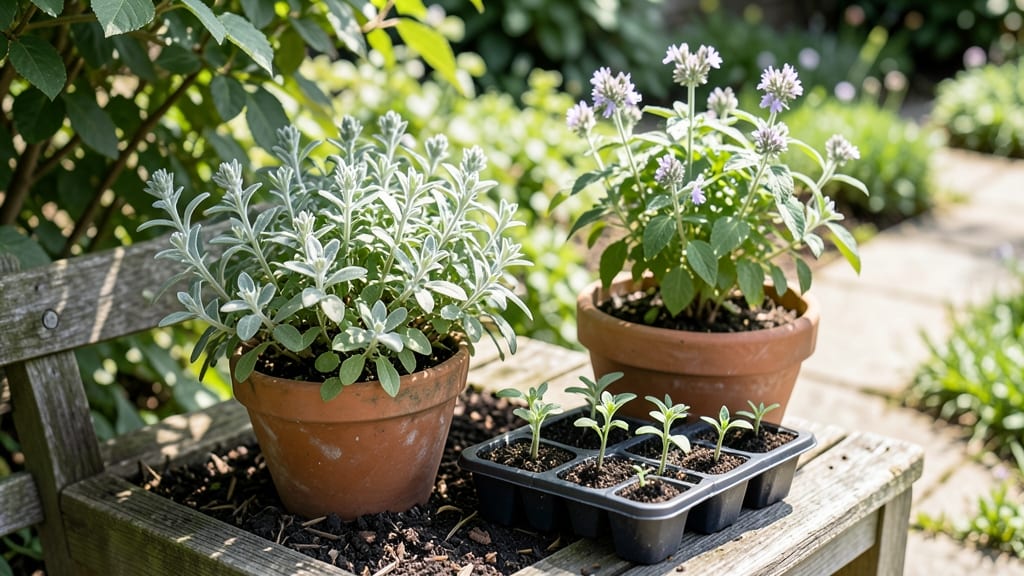
Planting herbs in Indiana at the right time means the difference between a fragrant harvest and a sad, frost-nipped failure.
Indiana’s 5b-6b climate gives you just 165 frost-free days—so timing is everything. Miss the window, and your basil bolts or your parsley freezes before it even tastes like parsley. Get it right, and you’ll enjoy fresh cilantro in May and thyme through October.
This isn’t just about avoiding frost—it’s about matching each herb’s needs to Indiana’s shifting seasons. Cool-lovers like parsley thrive in early spring, while heat-seekers like basil wait for late May. I’ll walk you through the exact months, soil temps, and tricks to stretch your growing season.
By the end, you’ll know when to plant, how to protect young sprouts, and which herbs to prioritize for year-round flavor—no more guessing, just peak harvests every season.
Indiana herb planting calendar: best months by herb type for USDA Zones 5-6
Indiana’s USDA Zones 5-6 mean your herb garden must work with a 165-day frost-free window—that’s why timing is everything. Cool-season herbs like parsley and cilantro thrive in spring’s chill, while basil and oregano crave summer’s warmth.
Miss the window, and you’ll either face frost damage or watch your plants bolt prematurely.
To nail the perfect planting schedule, I’ll break it down by herb type, including soil temperature thresholds (most herbs need 50°F+ for germination) and frost-free date calculations. Use your local last frost date (typically April 15) as your starting point, then adjust based on the herb’s heat tolerance.
Here’s the non-negotiable rule: Plant cool-season herbs 4-6 weeks before your last frost, and warm-season herbs 2-3 weeks after. For Indiana, that usually means March-April for cool lovers and May-June for heat seekers. But let’s get specific—because not all herbs play by the same rules.
| Herb Type | Best Planting Months (Zones 5-6) | Soil Temp Threshold | Sunlight Needs | Key Notes |
|---|---|---|---|---|
| Cool-Season Herbs | March–April (spring) or August (fall) | 45–55°F (7–13°C) | Full sun to partial shade | Bolt-resistant varieties preferred; avoid summer heat. |
| Parsley | March–April, August–September | 50°F+ (10°C+) | Partial shade (tolerates heat better) | Biennial; harvest leaves before bolting. |
| Cilantro | March–April, August–September | 55°F+ (13°C+) | Full sun to partial shade | Bolt-resistant ‘Calypso’ variety recommended. |
| Warm-Season Herbs | May–June (after last frost) | 60–70°F (16–21°C) | Full sun (6+ hours) | Start indoors 4–6 weeks before transplanting. |
| Basil | May–June | 65°F+ (18°C+) | Full sun (no shade) | Frost-sensitive; harvest before flowers form. |
| Oregano | April–May (perennial) | 55°F+ (13°C+) | Full sun to partial shade | Hardy perennial; plant once, harvest yearly. |
| Thyme | April–May (perennial) | 50°F+ (10°C+) | Full sun | Drought-tolerant; thrives in poor soil. |
| Rosemary | May (container-grown) | 60°F+ (16°C+) | Full sun | Not winter-hardy; bring indoors or mulch heavily. |
Let’s start with cool-season herbs, which are your spring and fall workhorses. In Indiana, parsley and cilantro can handle light frosts, so I recommend sowing seeds 4-6 weeks before your last frost date (around March 15 for most areas).
For a fall harvest, plant again in late July to early August—this gives them time to mature before the first frost (October 15).
For warm-season herbs like basil and oregano, wait until the soil is consistently above 60°F (usually mid-May). Basil, in particular, is frost-intolerant, so don’t rush it—plant too early, and you’ll risk stunted growth or death.
Pro tip: Use black plastic mulch to warm the soil faster if you’re eager to get started.
Perennials like ore
How to extend your Indiana herb growing season with smart timing
Indiana’s 165-day frost-free window means every extra week counts for your herb garden. With the right strategies, you can push harvests earlier in spring or later into fall—without risking frost damage or bolting.
The key is understanding how to manipulate your microclimate and planting schedule to match each herb’s ideal conditions.
For warm-season herbs like basil and dill, the goal is to start them early enough to avoid late frosts while still capturing the full summer heat. Meanwhile, cool-season herbs such as parsley and cilantro thrive when planted in late summer for a fall harvest.
The difference between success and failure often comes down to timing and protection.
- 1 Use cold frames or row covers to start warm-season herbs 2-3 weeks earlier
- 2 Practice succession planting every 2 weeks for continuous harvests
- 3 Choose late-season varieties like 'Winterbor' parsley or 'Mammoth' parsley
- 4 Harvest before bolting by pinching flower buds early
- 5 Overwinter hardy herbs like thyme and oregano with mulch
Set up hoop houses or low tunnels over seedlings to trap heat. Remove covers when soil warms to 55°F+.
Sow basil or cilantro in small batches from May through July to replace bolting plants.
These varieties tolerate light frosts and continue producing until November in Indiana.
Remove flower stems when they’re 1-2 inches tall to redirect energy to leaf growth.
Apply 3-4 inches of straw mulch after first frost to protect roots from 20°F+ temperatures.
One common mistake I see is planting warm-season herbs too early. When you sow basil in March, the seedlings often become leggy and weak from stretching toward light. Instead, wait until mid-May when nighttime temperatures stay above 50°F consistently.
For cool-season herbs, the opposite is true—plant cilantro in late August to avoid the summer heat that causes it to bolt prematurely.
Another game-changer is using container gardening for herbs. Pots can be moved to protected locations like porches or greenhouses when frost threatens. For example, I keep my rosemary in a 12-inch pot and bring it indoors before October 15, the average first frost date.
This simple move extends my harvest window by 4-6 weeks compared to in-ground planting.
Don’t forget about soil preparation—amending your beds with compost before planting gives herbs a head start. I mix in aged compost and a slow-release fertilizer (like 10-10-10) to ensure nutrients are available when plants need them most.
This reduces the risk of stunted growth later in the season when herbs compete for resources.
With these strategies, you can enjoy fresh basil in June, parsley through September, and even cilantro in October—all while avoiding the pitfalls of Indiana’s unpredictable weather. The secret isn’t just planting at the right time; it’s creating the right conditions for your herbs to thrive when they’re most vulnerable. 🌱