
Plants
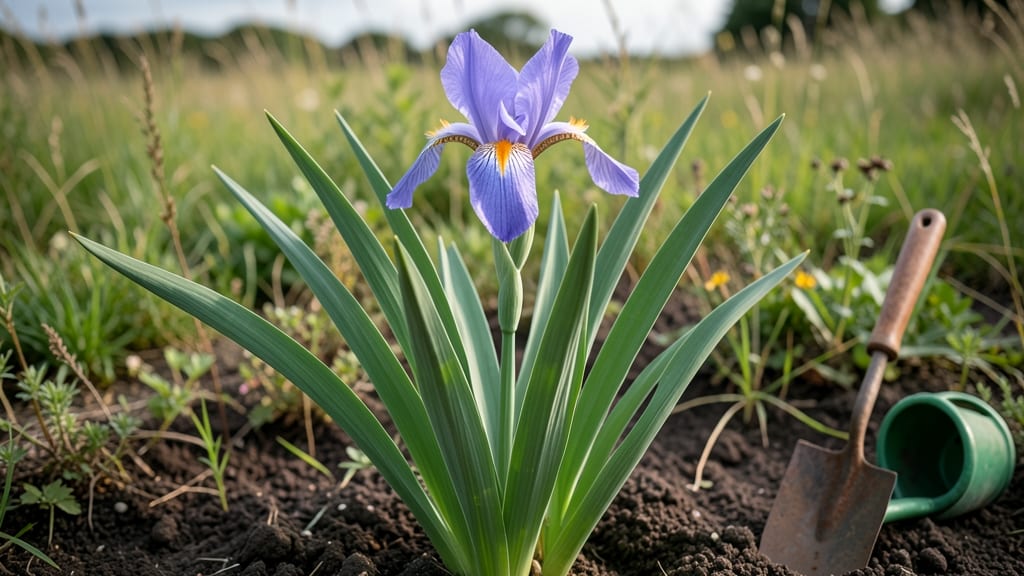
Plant iris bulbs in Illinois between late August and early October to give roots time to establish before frost hits.
Timing your iris bulb planting just right in Illinois can mean the difference between vibrant blooms next spring and wasted effort—get it wrong, and frost will ruin your chances before roots even establish.
In zones 5-6, where most of Illinois falls, the key is planting 4-6 weeks before the first hard frost—typically by mid-October. This window ensures the rhizomes settle in without facing winter dormancy too soon.
Below, I’ll break down the exact frost deadlines by region, how to prep your soil, and why spring planting is a backup option—plus how to tell if your bulbs are ready to go in the ground.
Best fall planting window for Illinois iris bulbs (with frost deadline guide)
Timing your iris bulb planting in Illinois is all about beating the first frost while giving roots time to establish. Since Illinois spans USDA Zones 5-6, your local frost date can vary by 2-3 weeks between northern and southern regions.
Aim to plant iris rhizomes 4-6 weeks before the average first frost—typically late August to early October—for the best results.
Iris rhizomes (not true bulbs) need 6-8 weeks of warm soil to develop strong roots before winter dormancy. In northern Illinois, where frost arrives earlier, focus on late September planting.
Southern Illinois gardeners have more flexibility, with early October often still safe. Always check your local frost date using the USDA Plant Hardiness Zone Map for precision.
Missing the fall window? Don’t worry—iris rhizomes can also be planted in early spring (March-April), but fall planting yields larger, more vigorous blooms the following year. The key is avoiding freezing soil temperatures, which can kill tender new roots.
Here’s a quick reference for Illinois’ frost-free window: Most areas enjoy 165 frost-free days annually, but northern Illinois (like Chicago) may see frost as early as mid-October, while southern Illinois (like St. Louis) often holds off until early November. Adjust your planting date accordingly.
For gardeners in Zone 5 (northern Illinois), prioritize planting by September 15 to ensure roots establish before frost. Use a soil thermometer to confirm temperatures are above 55°F—this is critical for rhizome growth.
If your soil cools too quickly, consider adding a 2-3 inch layer of mulch to insulate the soil.
In Zone 6 (southern Illinois), you have a slightly longer window, but don’t delay past early October. Warmer soils in this region can actually encourage too much early growth, which may get damaged by unexpected late frosts.
Balance is key—plant when soil is warm but not yet cooling rapidly.
Pro tip: If you’re unsure about frost dates, use the 500-degree-day rule. Iris rhizomes need 500 growing degree days (GDD) after planting to establish roots. Track your local GDD using online calculators or weather apps to fine-tune your timing.
Adjust for early or late winters by monitoring weather forecasts. If an unusually early frost is predicted, plant rhizomes in containers and bury them in the ground temporarily for winter protection. This flexibility ensures your irises thrive regardless of Illinois’ unpredictable climate.
Remember, iris rhizomes are hardy perennials, but their first year is critical. By planting at the right time, you’ll set the stage for years of stunning blooms with minimal effort. Happy planting!
How to prepare iris bulbs for Illinois fall planting (soil, depth, and spacing secrets)
Once you've picked your optimal fall planting window, preparing iris rhizomes properly ensures they establish strong roots before Illinois' first frost. Unlike true bulbs, irises grow from rhizomes—thick, fleshy stems that need specific care to thrive in our USDA Zones 5-6 climate.
Start by selecting a sunny planting site with at least 6 hours of direct sunlight daily. Southern Illinois gardeners can tolerate slightly more shade, but northern regions like Chicago demand full sun for vibrant blooms. Test your soil's drainage—irises hate soggy conditions, which are common in Illinois' clay-heavy soils.
⚠️ WARNING: Planting Too Late or Too Early ⚠️
Amend your soil with 2-3 inches of compost or well-rotted manure to improve drainage and fertility. Irises prefer slightly acidic to neutral soil (pH 6.0-7.0). If your soil tests high in clay, mix in sand or perlite to prevent waterlogging. Northern Illinois gardeners should add extra compost since cooler soils break down nutrients slower.
When planting, position rhizomes horizontally with the top half exposed—never bury them completely. The planting depth should be 3-4 inches deep (about 2-3 times the rhizome's height).
Use a sharp spade to create trenches, spacing rhizomes 12-24 inches apart in rows 18-24 inches apart for proper airflow and reduced disease risk.
Southern Illinois gardeners can space rhizomes slightly closer (12 inches apart) since warmer winters promote faster growth. After planting, water deeply to settle the soil, then maintain moderate moisture (about 1 inch per week) until frost.
Apply a 2-inch layer of mulch (straw or shredded leaves) to insulate rhizomes and retain moisture through winter.
For container planting, use a well-draining mix of potting soil and perlite (50/50 ratio). Plant rhizomes in shallow pots with drainage holes, keeping the top exposed. Place containers in a protected location (like a garage or cold frame) if early frost threatens.
With proper preparation, your irises will reward you with bold spring blooms for years to come! 🌸