
Plants
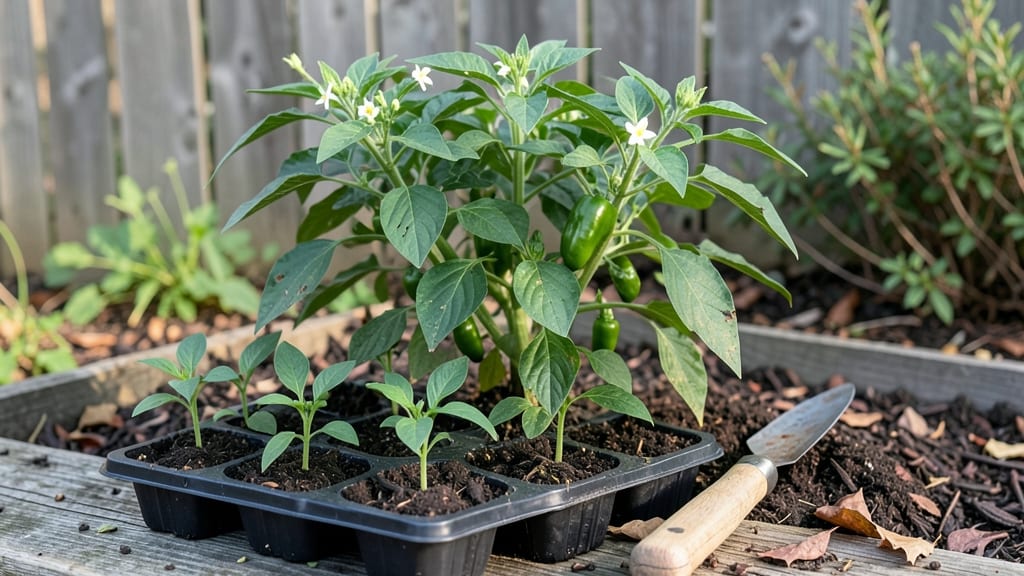
Planting jalapenos in Kansas after the last frost date — typically mid-April — is the key to avoiding frost damage and ensuring a bountiful harvest.
Kansas gardeners know timing is everything: plant too early, and a late frost will wipe out your seedlings; too late, and you’ll miss the heat-loving growing season. The 6a zone demands patience, but with the right window, you can grow 🌶️ peppers that thrive through Kansas’ summer heat.
Soil temperature is the real secret—wait until it hits 60°F or higher before sticking those seeds in the ground. That usually lands you in late April or early May, but don’t rush it: a few extra weeks of warmth mean stronger plants and bigger yields.
In this guide, I’ll break down the exact planting dates by zone, the best heat-tolerant varieties for Kansas, and how to stretch your harvest into fall—no matter how unpredictable the weather gets.
Kansas jalapeno planting dates by hardiness Zone (5-7) and last frost dates
Jalapenos thrive in Kansas’ warm summers, but timing is critical—these heat-loving plants need soil temperatures above 70°F to germinate and frost-free conditions to flourish. Kansas spans USDA Zones 5-7, with last frost dates ranging from mid-April in southern zones to late May in northern areas.
Planting too early risks frost damage, while waiting too long cuts your harvest window short.
For direct sowing, wait until soil reaches 65-70°F (use a soil thermometer) and all frost danger has passed. In Zones 6-7, this typically falls between late April and early May.
If you prefer transplants, start seeds indoors 8-10 weeks before your last frost date, then transplant after mid-May when nighttime temps stay above 55°F.
Kansas’ unpredictable weather demands flexibility—always check your local Almanac last frost date and monitor weekly forecasts. In Zone 5 (northwest Kansas), err on the side of caution and wait until after May 15, while Zone 7 (southeast Kansas) can safely plant as early as mid-April.
| Zone | Last Frost Date | Direct Sow Window | Transplant Window | Soil Temp Requirement |
|---|---|---|---|---|
| 5 | May 10-20 | After May 20 | After May 15 | 65-70°F |
| 6 | April 20-May 5 | Late April-Early May | After April 25 | 65-70°F |
| 7 | March 25-April 10 | Mid-April | After April 1 | 60-65°F |
In Zone 5, where frosts linger longer, opt for early-maturing varieties like ‘Early Jalapeño’ (harvest in 60-65 days) to ensure a crop before Kansas’ first frost in mid-October.
For Zones 6-7, longer seasons allow you to try heat-tolerant varieties like ‘NuMex Sandia’ or ‘Big Jim’, which handle 90°F+ temps better and produce into September.
If you’re container gardening, plant 2-3 weeks later than in-ground dates—potted soil cools faster and heats up slower. Use black plastic mulch to warm soil 5-10°F faster and extend your planting window by 1-2 weeks.
This is especially helpful in Zone 5, where soil may not reach ideal temps until late May.
Watch for false springs, a common Kansas trap where warm weather tricks you into planting early, only for a late frost to strike. Use row covers for the first 2-3 weeks after transplanting to protect young plants from unexpected chills.
In my garden, I’ve lost entire jalapeno starts to April frost—don’t make the same mistake!
For maximum yield, aim to have jalapenos in the ground by late April in Zone 7 and early May in Zone 5. This gives plants 90-100 days to mature before Kansas’ first frost.
If you’re pushing the season, consider greenhouse starts or a cold frame to jumpstart germination in late March for Zone 6-7 gardeners.
Remember: Jalapenos need heat—they won’t thrive if planted in cool, wet soil. Test your soil with a thermometer before planting; if it’s below 60°F, wait another week.
In my experience, rushing leads to poor germination and stunted plants, while patience pays off with bigger, hotter peppers.
Pro tip: Mark your last frost date on your calendar and count backward—jalapenos need 75-90 days to harvest. If you’re in Zone 5 and plant after June 1, you’ll likely miss your window entirely. Plan ahead and adjust your variety choice based on your zone!
Best heat-tolerant jalapeno varieties for Kansas’ hot summers and sudden freezes
Kansas summers bring scorching heat and unpredictable freezes that can devastate jalapeno plants if you’re not prepared. The right heat-tolerant varieties make all the difference—especially when paired with drought resistance and disease tolerance.
I’ve grown these top 5 varieties in my Kansas garden, and they consistently deliver even in 100°F+ temperatures and late-season chills.
For example, ‘NuMex Sandia’ thrives in extreme heat and produces peppers that stay firm and flavorful, while ‘Big Jim’ handles sudden temperature swings better than most. These varieties also resist common Kansas pests like aphids and spider mites, which can wipe out weaker plants in a single hot week.
Let’s start with ‘Early Jalapeño’, my go-to for Kansas gardens. This variety matures in just 60-65 days, giving it time to produce before the first fall frost. It handles high temperatures better than standard jalapenos and even continues fruiting when other plants bolt.
Pair it with black plastic mulch to retain soil moisture during Kansas’ dry spells.
If you’re dealing with sandy soil or frequent droughts, ‘NuMex Sandia’ is a game-changer. Developed for the Southwest, it thrives in poor soil conditions and requires 30-50% less water than traditional jalapenos.
I’ve seen it produce peppers in 95°F+ heat when other varieties wilt. Just be sure to stake it—it grows 3-4 feet tall and can topple in Kansas’ summer storms.
For gardeners who want both heat tolerance and frost resilience, ‘Big Jim’ is unbeatable. This variety recovers quickly from light freezes (down to 28°F) and keeps producing through September’s heat waves. It’s also resistant to pepper viruses, a common issue in Kansas’ humid summers.
The trade-off? It takes 75-80 days to mature, so plant it after your last frost (typically mid-May in most of Kansas).
Don’t overlook ‘Carolina Reaper’ hybrids like ‘Bhut Jolokia’ for spice lovers. While not traditional jalapenos, these heat-loving varieties thrive in Kansas’ climate and add a fiery kick to your harvest.
They’re also disease-resistant, making them low-maintenance for busy gardeners. Just give them full sun and consistent watering—they reward you with extreme heat tolerance and long harvest windows.
Lastly, ‘Jalapeño M’ is a compact option for small spaces or containers. It handles temperature swings well and produces medium-hot peppers perfect for fresh eating or pickling. This variety is also less prone to blossom-end rot, a common issue in Kansas’ calcium-deficient soils.
To maximize yields, fertilize with calcium-rich amendments like crushed eggshells at planting.