
Plants
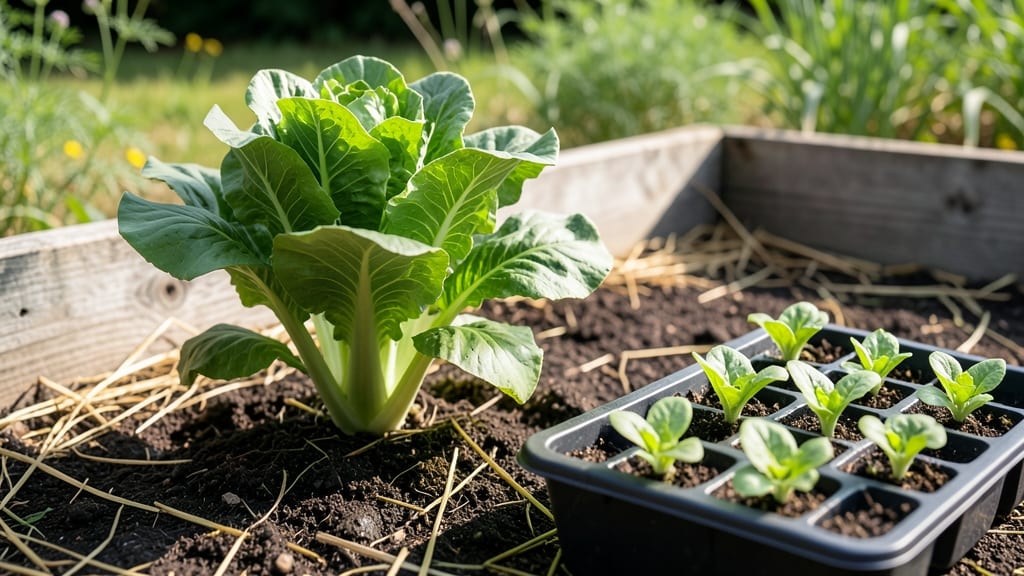
Planting lettuce in Seattle at the right time means the difference between crisp, sweet harvests and bitter bolts—so timing your 🥬 seeds between late February and early April is your best bet.
Seattle’s unpredictable weather can turn your lettuce into bitter bolts faster than you can say "spring rain," but getting the timing right ensures you’ll enjoy fresh greens all season.
The key? Start seeds indoors 4-6 weeks before your last frost (around March 15) or sow directly once soil warms to at least 40°F.
This city’s microclimates—from West Seattle’s coastal chill to Ballard’s urban heat islands—mean planting windows shift by neighborhood. Cool-season varieties thrive in the mild winters, while summer heat can trigger bolting, so a little planning goes a long way.
Below, I’ll break down the exact months to plant, adjust for your Seattle zone, and share tips to extend your harvest into fall—no bitter surprises included.
Seattle’s lettuce planting calendar: avoid bolting with perfect timing
Seattle’s mild but unpredictable climate makes lettuce planting a delicate dance between cool-season thrives and heat-induced bolting. The key? Planting at the right time to match your variety’s tolerance—whether it’s heat-resistant romaine or cold-hardy butterhead.
With Seattle’s last frost date around March 15 and first frost near November 15, you’ve got a 6-month window to grow lettuce—but timing is everything to avoid bitter, bolted greens.
Your microclimate matters. Urban areas like Ballard or Downtown can be 5–10°F warmer than coastal neighborhoods like West Seattle or Shoreline, while the Eastside often sees earlier springs.
Adjust your planting schedule accordingly—coastal zones stay cooler longer, while inland spots may need earlier starts or shade cloth in summer.
Bolting is your enemy, and Seattle’s long daylight hours (even in winter) trigger it. Warm-season varieties like romaine or oakleaf can handle 70°F soil temps, but butterhead or bibb bolt at 65°F. Plan for successive plantings every 2–3 weeks to ensure a steady harvest before summer heat sets in.
| Month | Best Varieties | Planting Window | Soil Temp (°F) | Bolting Risk |
|---|---|---|---|---|
| February | Butterhead, Bibb, Winter Density | Direct sow after Feb 15 | 40–50°F | Low (cool nights) |
| March | Romaine, Loose-leaf, Oakleaf | Sow March 1–31 | 45–60°F | Moderate (watch for warm spells) |
| April | Heat-tolerant romaine, Black Seeded Simpson | Sow April 1–15 | 50–65°F | High (bolting risk increases) |
| May | Leaf lettuce (short-day varieties) | Sow May 1–10 (shade cloth) | 55–70°F | Very High (avoid unless shaded) |
| August | Buttercrunch, Winter Density (fall crop) | Sow Aug 15–31 | 60–65°F (cool nights) | Low (cooler evenings) |
| September | Romaine, Bibb, Loose-leaf | Sow Sept 1–15 | 50–60°F | Moderate (transition month) |
| October | Winter varieties (cold-hardy) | Sow Oct 1–31 | 40–50°F | Low (ideal for winter harvests) |
For spring plantings, start cool-season varieties like butterhead or bibb in February if you’re in a warmer microclimate (e.g., Eastside). In cooler coastal areas, wait until mid-March to avoid cold soil, which slows germination.
Use row covers if nights dip below 40°F—lettuce roots struggle in chilly soil.
Summer lettuce is trickier. By June, Seattle’s urban heat islands can push soil temps to 80°F+, triggering bolting in 3–5 days. Opt for heat-tolerant romaine or leaf lettuce and plant in partial shade. Drip irrigation keeps roots cool—overhead watering can scald leaves in afternoon sun.
Fall is your golden window. Start August plantings of buttercrunch or winter density for harvests through November. Use shade cloth (30–50%) if your garden bakes in after
Microclimate secrets: how Seattle’s neighborhoods affect lettuce success
Seattle’s neighborhoods create distinct microclimates that can shift your lettuce’s growing season by weeks. West Seattle’s coastal breezes delay spring planting, while Ballard’s urban heat islands force earlier shade adjustments.
Even the Eastside’s warmer microclimate lets you plant lettuce 2-3 weeks sooner than downtown. Understanding these variations helps you avoid bolting disasters and maximize harvests.
Your location-specific timing starts with soil temperature. Coastal areas like West Seattle need to wait until soil reaches 45°F (usually mid-April), while Eastside gardens can start as early as late February.
Urban pockets like Ballard may experience heat spikes that push lettuce to bolt by June—so choose shade-tolerant varieties like 'Black Seeded Simpson' or 'Winter Density' for these zones.
- 1 West Seattle (Coastal): Plant April 1-15 for spring harvests. Use row covers to protect from salty winds and extend season until October 15.
- 2 Ballard (Urban Heat): Start March 15-April 1 with shade cloth (30-50%) to prevent heat stress. Switch to heat-tolerant varieties like 'Jericho' after June 1.
- 3 Eastside (Early Spring): Begin sowing February 20-March 10. Use cold frames to push fall harvests to November 30 before first frost.
-
4
Soil Prep Tweaks:
- Coastal: Add composted manure for nutrient-rich, moisture-retentive soil.
- Urban: Mix in perlite to improve drainage in compacted soil.
- Eastside: Use mulch to retain warmth during cooler nights.
-
5
Variety Recommendations:
- Coastal: 'Arctic King' (cold-hardy) or 'Romaine' (wind-resistant).
- Urban: 'Buttercrunch' (shade-tolerant) or 'Oakleaf' (heat-resistant).
- Eastside: 'Winter Density' (early spring) or 'Little Gem' (fall harvests).
For urban gardens, prioritize container planting with self-watering pots to manage Ballard’s heat island effect. Add 2 inches of compost to urban soil before planting—Seattle’s compacted city soil drains poorly and lacks organic matter.
Test your soil’s pH (6.0-7.0 ideal) and amend with lime if needed, especially in acidic coastal areas.
Eastside gardeners can push fall harvests by using low tunnels to trap heat. Remove tunnels by October 15 to avoid overheating before the first frost. In West Seattle, protect young plants with floating row covers during windy March days—salt spray from Puget Sound can damage tender leaves.
Monitor your lettuce’s daylength sensitivity. Seattle’s 14+ hour summer days trigger bolting—use shade cloth to reduce light exposure by 30-40% during peak sun hours. For urban balconies, choose compact varieties like 'Salad Bowl' that thrive in partial shade and small containers.
Adjust your watering schedule based on microclimate. Coastal areas need daily watering due to high evaporation from ocean breezes, while Eastside gardens may only require every 3 days in summer. Always water early morning to prevent fungal diseases like downy mildew, which thrives in Seattle’s humid conditions. 🥬