
Plants
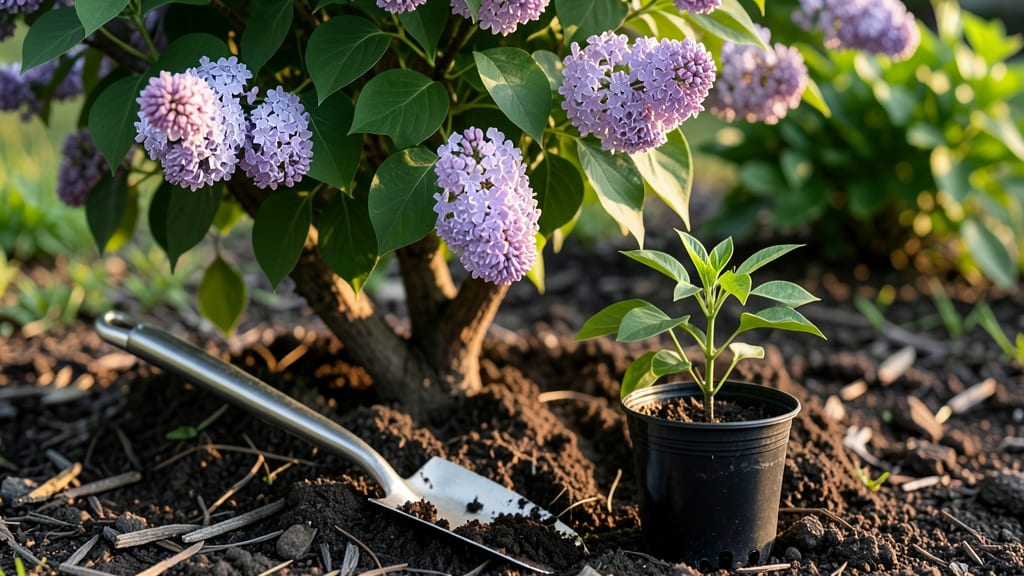
Planting lilacs in Colorado at the right time ensures fragrant blooms for years to come — aim for early spring or fall, when soil temps are cool but frost is gone.
Colorado’s variable climate can make or break your lilac blooms—plant too early, and frost will damage tender roots; too late, and winter’s chill stunts growth. Timing is everything for these fragrant favorites, but zone-specific deadlines often confuse gardeners.
For most of Colorado’s USDA Zones 5-7, early spring (March–April) is ideal, but high-altitude areas like Denver or Colorado Springs may need adjustments. Fall planting (September–October) also works, offering a second chance for gardeners who miss the spring window.
Below, I’ll break down the best months by zone, soil prep tips, and how to tell if your lilac is ready to thrive — no more guesswork, just blooming success.
Colorado planting Zones for lilacs: when to plant by USDA Zone
Colorado’s diverse microclimates mean your lilac’s planting window can shift dramatically from Denver’s urban heat to mountain valleys. Most Colorado gardens fall within USDA Zones 4-7, but elevation changes everything—planting in Zone 5 Denver (5,280 ft) differs from Zone 4 mountain regions (7,000+ ft).
Understanding these frost-free windows ensures your lilacs thrive, not just survive.
Lilacs prefer cool soil temperatures between 40°F and 60°F for root establishment. In Colorado, this typically aligns with early spring (March–April) or fall (September–October), but exact timing depends on your elevation and last-frost date.
For example, Colorado Springs (Zone 6) averages its last frost by April 15, while Fort Collins (Zone 4) may see frost until May 10 at higher elevations.
Here’s your zone-by-zone planting guide, including soil temperature thresholds and elevation adjustments to avoid frost damage or stunted growth:
| USDA Zone | City/Region | Avg. Last Frost | Optimal Planting Window | Soil Temp. Threshold | Elevation Adjustment |
|---|---|---|---|---|---|
| Zone 4 | Steamboat Springs, Grand Junction | May 5–15 | April 15–May 10 (spring) or Sept 15–Oct 10 (fall) | 40°F–50°F | Delay 1–2 weeks for elevations >7,000 ft |
| Zone 5 | Denver, Fort Collins, Boulder | April 15–May 1 | March 20–April 15 (spring) or Sept 1–Oct 1 (fall) | 45°F–55°F | Add mulch for high-altitude sites (6,000–8,000 ft) |
| Zone 6 | Colorado Springs, Pueblo | April 1–15 | March 1–April 1 (spring) or Aug 20–Sept 15 (fall) | 50°F–60°F | Urban heat islands may allow earlier spring planting |
| Zone 7 | Southwestern CO (Durango, Pagosa Springs) | March 20–April 5 | February 20–March 15 (spring) or Sept 1–Oct 1 (fall) | 55°F–65°F | Fall planting preferred to avoid late-spring frosts |
For bare-root lilacs, aim to plant within 24–48 hours of purchase to prevent root desiccation. Soak roots in water mixed with rooting hormone before planting, then bury the crown 2–3 inches above soil level—this prevents rot from winter moisture while allowing flexibility for snow cover.
Elevation plays tricks on timing: every 1,000 feet gain delays spring planting by 3–5 days.
For example, a Zone 5 garden at 6,500 ft (like Boulder) may need to wait until April 1 for safe planting, while a 5,200 ft Denver yard could start as early as March 20. Use a soil thermometer to confirm readiness—50°F+ soil is ideal for root growth.
Fall planting offers a second chance for Colorado gardeners. In Zones 5–7, aim to plant 6–8 weeks before first frost (typically September
Signs your lilac planting timing is perfect (or terrible)
Colorado’s spring frost risks and fall freeze warnings demand precise timing for lilac planting. The ideal window is when soil temperatures hit 40–50°F—warm enough for root growth but cool enough to avoid drought stress.
For Denver gardeners, this usually falls in late March to early April, while mountain regions may wait until May.
Look for leaf buds swelling on your lilac—this is your green light to plant. These purple-pink buds appear in late winter and signal the plant’s readiness to establish roots before summer heat arrives. If you see no buds by March 15, hold off until conditions improve.
Check the soil temperature with a soil thermometer—if it’s below 40°F, wait. Cold soil slows root development and can kill tender lilac roots. In Colorado Springs, this often means waiting until mid-April for safe planting.
Colorado’s first hard frost typically arrives in mid-October, but late-season planting (after September 15) risks root damage. If you plant in fall, choose bare-root lilacs and mulch heavily to insulate roots. Container-grown plants have a slightly longer window but still need 6+ weeks to establish before winter.
🌱 Pro Tip: Test soil moisture—if it’s dry 2 inches deep, delay planting until after spring rains.
For fall planting, aim for September to early October when daytime temps stay above 50°F. Lilacs planted in fall benefit from cooler weather and established roots before winter. Watch for new leaf growth—if your lilac sprouts green leaves in late summer, it’s ready for transplant.
If your lilac arrives bare-root, plant it immediately upon receipt—dried roots struggle to rehydrate. Soak roots in water for 2–4 hours before planting to revive them. Container-grown lilacs are more flexible but still need well-draining soil and full sun to thrive.
Missed the spring window? Don’t panic—fall planting works too, but avoid planting after October 15 in most of Colorado. Use mulch (3–4 inches) to protect roots from temperature swings. Water deeply before the first freeze to ensure roots stay hydrated through winter.