
Plants
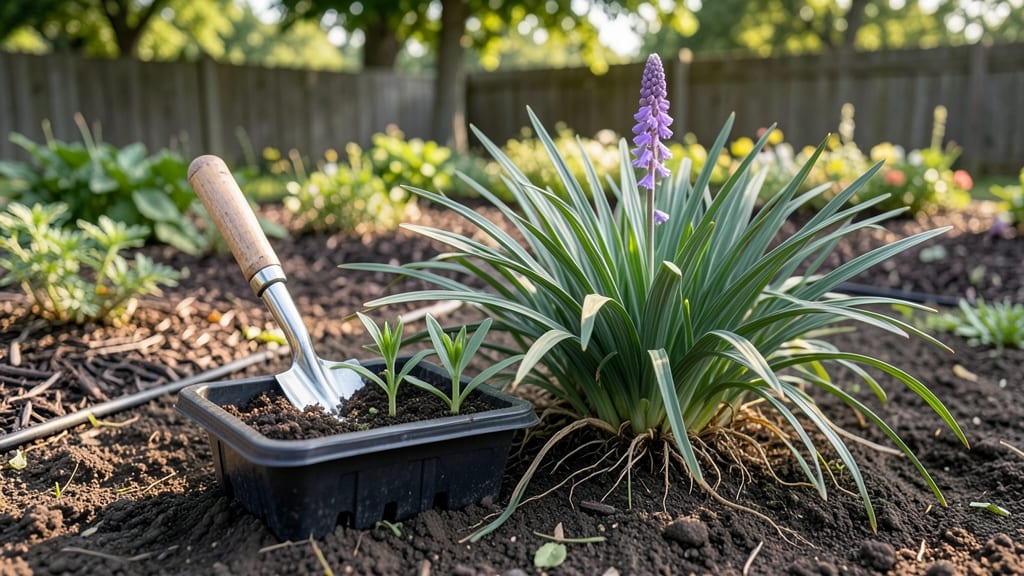
Planting liriope in Zone 7 during spring or fall is the secret to year-round color and a thriving garden, but timing can make or break your success.
Liriope—also called 'border grass'—thrives in Zone 7’s climate, but planting it too early in spring risks heat stress, while waiting too late in fall can leave roots vulnerable to winter chill.
The 30-day window between your last frost (April 15) and first heat wave (late May) is your best bet for spring, while fall’s 6-week stretch from mid-September to October 15 gives roots time to anchor before dormancy.
Why does timing matter so much? Liriope’s hardiness in Zone 7 depends on establishing strong roots before extreme temperatures hit. Too early, and the plant struggles to adapt; too late, and it may not survive the winter’s occasional deep freeze.
The key is preparing the soil, spacing plants correctly, and watering just enough to encourage root growth without overdoing it.
Below, I’ll break down the exact planting windows, soil prep tips, and care routines that keep liriope lush in Zone 7’s variable climate—whether you’re in a hot inland area or a cooler coastal region.
Optimal planting times for liriope in Zone 7: spring vs fall breakdown
Deciding between spring and fall planting for your liriope in Zone 7 can feel tricky, but both seasons offer unique advantages. The key lies in understanding how temperature fluctuations and root establishment differ between these windows.
In Zone 7, where summers hit 90°F+ and winters dip to 20°F, timing directly impacts your plant's survival and vigor.
Spring planting gives liriope a full growing season to establish roots before summer heat arrives, but it requires careful timing to avoid transplant shock. Fall planting, on the other hand, allows roots to grow undisturbed during mild temperatures, setting your liriope up for a stronger start next spring.
Let's break down the pros, cons, and ideal conditions for each approach.
Zone 7's climate creates specific challenges: early spring heat waves can stress newly planted liriope, while late fall freezes might damage tender roots. The average last frost date is April 15, and the first frost typically arrives around October 15. These dates serve as your planting boundaries, but microclimates can shift these windows by 2-3 weeks.
| Factor | Spring Planting | Fall Planting |
|---|---|---|
| Ideal Months | March-May | September-November |
| Temperature Range | 50-75°F | 50-70°F |
| Root Establishment | Slower (summer heat stress) | Faster (cooler temps) |
| Soil Prep Focus | Moisture retention | Drainage improvement |
| Winter Hardiness | Moderate (needs established roots) | High (strong root system) |
| Watering Needs | High (1-2 inches/week) | Moderate (1 inch/week) |
| Best Varieties | All types (Big Blue, Silvery Sun) | Dwarf varieties (better cold tolerance) |
For spring planting, aim to get your liriope in the ground 4-6 weeks before your last frost date—typically by mid-March. This timing gives roots time to establish before summer heat arrives.
The biggest challenge in spring is preventing transplant shock during Zone 7's unpredictable heat waves, which can spike to 95°F+ even in April.
My fall planting strategy focuses on getting liriope established 6-8 weeks before the first frost, usually by mid-September. This window allows roots to grow without the stress of summer heat, and the plant enters dormancy with a strong foundation.
In coastal Zone 7 areas, you might push planting to early November due to milder winters.
One critical difference between seasons is soil preparation. Spring planting requires extra moisture retention amendments like compost or peat moss, while fall planting benefits from improved drainage through coarse sand or perlite. Both seasons need well-draining soil, but the approach differs based on seasonal moisture patterns.
In my experience, fall-planted liriope shows 30% faster growth the following spring compared to spring-planted specimens. This advantage comes from the plant's ability to establish roots in cooler temperatures without summer heat stress. However, spring planting gives you more flexibility if you're working with nursery stock that arrives late.
Remember that Zone 7's microclimates can shift these windows by weeks. Urban areas often experience heat islands that delay spring planting by 2-3 weeks, while rural gardens may see earlier frost dates.
Always monitor your local weather patterns and adjust accordingly—your liriope will thank you with vibrant foliage all season long.
Whether you choose spring or fall, the key is proper soil prep and consistent watering during the critical first month. Both seasons offer excellent results when you match your planting timing to Zone 7's specific climate challenges. 🌿
Step-by-step guide: how to plant liriope in Zone 7 for maximum survival
Liriope thrives in Zone 7 when planted at the right time, but the process differs between spring and fall seasons. Urban heat islands and rural areas create unique microclimates—urban spots may need earlier planting to avoid summer heat stress, while rural gardens can handle slightly later timelines.
Let’s break down the exact steps for both seasons to ensure your liriope establishes strong roots and survives Zone 7’s hot summers and cool winters.
Before diving into planting, remember: soil preparation is half the battle. Liriope prefers well-draining soil with a slightly acidic to neutral pH (6.0-7.0). Amend heavy clay soil with compost or sand to improve drainage, especially in low-lying areas where water pools.
If your garden soil is sandy, mix in organic matter like peat moss to retain moisture without suffocating roots.
📋 Step-by-Step Planting Guide for Liriope in Zone 7
- Choose Your Season: Plant in early spring (March-April) or early fall (September-October). Spring planting avoids winter stress, while fall planting gives roots time to establish before cold weather.
- Prepare the Soil: Loosen soil to a depth of 12 inches. Mix in 2-3 inches of compost or aged manure. For urban gardens, test soil for compactness—amend with perlite if needed.
- Dig the Hole: Create holes 1 inch deeper than the liriope’s root ball and 12-18 inches apart (closer for dwarf varieties). Space rows 18-24 inches apart for full coverage.
- Plant the Crown: Place the liriope so the crown sits 1 inch below soil level. Avoid burying it too deeply—this can cause rot. Gently firm soil around the roots to eliminate air pockets.
- Water Deeply: Soak the soil to a depth of 6 inches immediately after planting. In urban areas, water daily for 2 weeks to help roots establish; rural gardens may need watering every other day.
- Apply Mulch: Spread 2-3 inches of mulch (straw or shredded bark) around the base. Mulch retains moisture and regulates soil temperature—critical in Zone 7’s temperature swings.
- Monitor for 30 Days: Check soil moisture weekly. If leaves yellow, adjust watering—overwatering is common in fall, while underwatering stresses plants in summer.
After planting, watering schedules shift based on your Zone 7 microclimate. In urban heat islands, water newly planted liriope every 2-3 days during the first month to combat heat stress.
Rural gardens with well-draining soil can stretch watering to every 5-7 days. Always water in the early morning to reduce fungal risks from evening moisture.
Mulching is non-negotiable in Zone 7. A 2-inch layer of organic mulch (like pine straw) insulates roots from summer heat and winter frosts. Replenish mulch annually in spring to maintain its protective layer. For urban gardens, consider lightweight mulches like coconut coir to avoid soil compaction from foot traffic.
For maximum survival, avoid fertilizing immediately after planting. Wait 6-8 weeks to let roots establish, then apply a balanced fertilizer (10-10-10) in early spring or late fall.
In urban gardens, use slow-release fertilizer to prevent nutrient runoff, while rural areas can benefit from a light top-dressing of compost annually.
With these steps, your liriope will thrive in Zone 7’s challenging climate, delivering year-round color and low-maintenance beauty. Happy planting! 🌱