
Plants
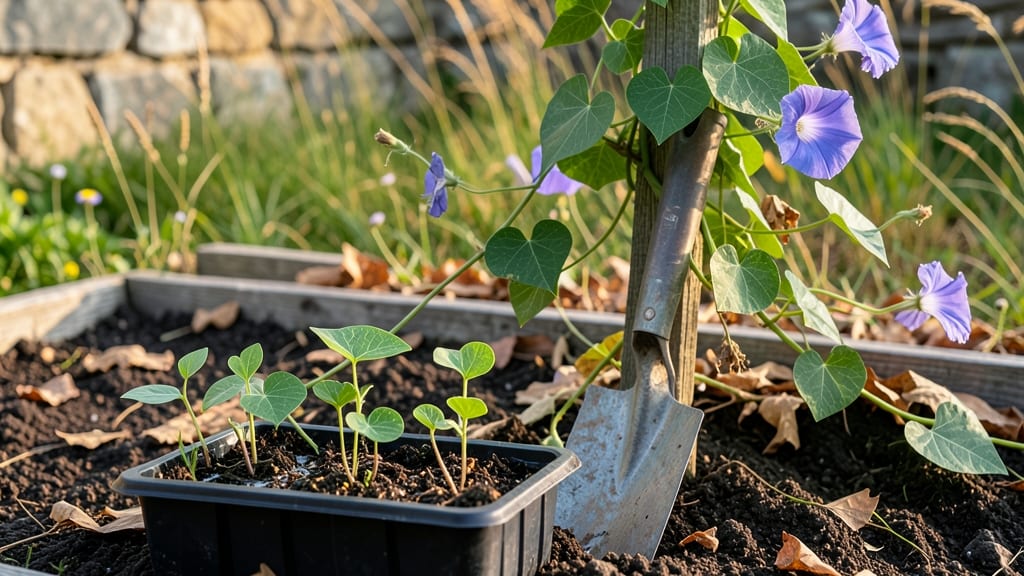
To plant morning glories in Texas, aim for March through May—when soil warms to 60°F and the risk of frost has passed for good.
Texas gardeners know the struggle—planting too early risks frost-killed vines, while waiting too long means missing the state’s legendary morning glory blooms. Timing is everything for these heat-loving climbers, and a few key factors can mean the difference between a lush vertical garden and a failed experiment.
Unlike cool-season crops, morning glories thrive in heat, so the goal is to get seeds in the ground as soon as the last frost date has come and gone.
In North Texas (Zone 8a), that’s usually mid-March, while South Texas (Zone 10b) gardeners can start as early as February.
Below, I’ll break down the exact planting windows by region, how to prep your soil for these fast-growing vines, and pro tips to keep your 🌸 morning glories flowering all summer long—no matter where you are in the Lone Star State.
Best planting months for morning glories in Texas regions (North vs. Central vs. south)
Texas’ diverse climate zones create unique challenges for growing morning glories. In North Texas (Zone 7b-8a), late frosts can linger until mid-March, while South Texas (Zone 9a-10a) enjoys frost-free conditions year-round.
Central Texas sits in between, with Zone 8a-8b offering a balance. Getting the timing right ensures your vines thrive and produce those iconic blue, purple, and pink blooms all summer.
Morning glories are heat-loving annuals that prefer warm soil temperatures above 60°F (15°C). Direct sowing after the last frost is ideal, but transplanting young plants can extend your blooming season. Let’s break down the best planting windows for each Texas region to maximize your success.
In North Texas, aim to plant morning glory seeds between mid-April and mid-May after the last frost. If you’re transplanting young plants, start as early as mid-March to give them a head start.
For Central Texas, you can begin sowing seeds in mid-March and continue through late April, with transplanting possible as early as late February.
South Texas gardeners have the advantage of year-round planting. Start seeds as early as mid-February for a summer display or sow again in September for fall blooms. The key is maintaining consistent soil moisture during establishment, especially in the hotter months.
For a continuous bloom, consider staggered planting. Sow seeds every 2-3 weeks from March through May in North and Central Texas. In South Texas, you can extend this to February through June.
This technique ensures fresh flowers throughout the growing season and prevents gaps in your vertical garden display.
Pro tip: Morning glories are fast growers and can reach 10 feet in a season. Provide a trellis, fence, or pergola for support.
In North Texas, choose a south-facing wall to capture maximum sunlight, while South Texas gardeners can plant in partial shade during the peak summer heat to prevent wilting.
Don’t forget about fall planting! In all regions, sow seeds in late summer (August-September) for cool-season blooms. This works especially well in Central and South Texas, where frost is rare. Just be prepared to protect young plants if an unexpected cold snap occurs.
Remember, soil temperature is just as critical as air temperature. Use a soil thermometer to confirm readings above 60°F (15°C) before planting. In North Texas, this might mean waiting until late April even if frost risk has passed.
With the right timing, your morning glory vines will reward you with vibrant blooms from early summer through fall. Whether you’re in freeze-prone North Texas or tropical South Texas, these heat-loving climbers will thrive with just a little regional know-how.
5 Critical factors that determine morning glory success in Texas heat
Morning glories thrive in Texas’ intense heat, but only if you nail these five non-negotiable conditions. Skipping any step risks stunted growth, powdery mildew, or early bolting—common pitfalls in our humid summers. Let’s break down what separates a vibrant vertical garden from a failed experiment.
First, soil temperature is your #1 priority. Morning glories won’t germinate until soil hits 60°F (15°C). Test with a soil thermometer—cold soil delays sprouting by weeks, and Texas’ spring temperature swings can trick even experienced gardeners into planting too soon.
🌱
- 1
- 2
- 3
- 4
- 5
Next, moisture balance is where most Texas gardeners stumble. Morning glories need deep, infrequent watering—think 1-2 inches per week—to develop strong roots. Shallow watering leads to weak stems that collapse in afternoon heat.
I’ve seen vines thrive with drip irrigation set to run for 20 minutes every other day during summer.
Don’t overlook shade tolerance during establishment. Young seedlings can’t handle Texas’ 100°F+ afternoons. I’ve had success using removable shade cloth (30-50% block) for the first 3 weeks, then gradually exposing vines to full sun. This mimics their native tropical origins while hardening them for Texas’ intensity.
Finally, pest and disease prevention separates a struggling vine from a showstopper. Powdery mildew is the #1 enemy—it appears as white dust on leaves and can kill vines in weeks. My secret weapon?
A baking soda spray (1 tsp baking soda + 1 quart water + drop of dish soap) applied every 7 days during humid spells. For bolting, avoid rich compost near planting holes; morning glories prefer lean, well-draining soil.
🌿