
Plants
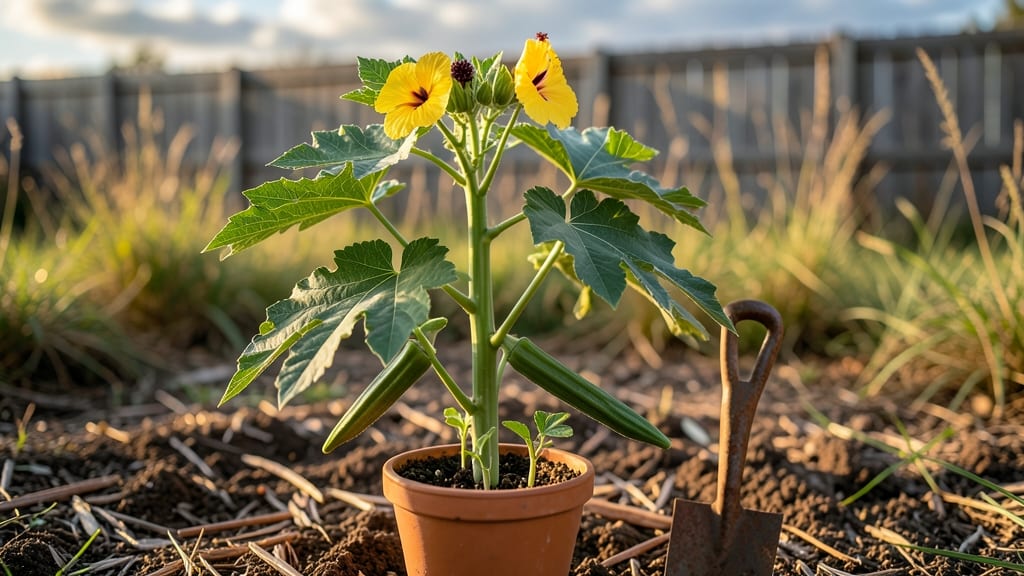
Planting okra in Kentucky after the last frost date—typically late April to early June—sets the stage for a thriving summer harvest 🌱.
If you’ve ever dreamed of harvesting crisp, tender okra pods straight from your Kentucky garden, timing is everything—this heat-loving plant demands precision to thrive in the Bluegrass State’s unpredictable climate.
Okra thrives in USDA zones 6a-7a when soil temperatures hit at least 60°F, which usually aligns with Kentucky’s average last frost around April 15. Plant too early, and a late frost will kill your seedlings; wait too long, and you’ll miss the 60-75-day growing window before fall’s first chill.
In this guide, I’ll walk you through the exact planting timeline for your zone, soil prep secrets to jumpstart growth, and how to stretch your harvest into early October—plus the one mistake Kentucky gardeners make that ruins their okra every year.
Optimal okra planting dates in Kentucky’s climate zones
Kentucky’s USDA Hardiness Zones 6b, 7a, and 7b create a unique challenge for growing okra, a plant that thrives in heat but despises cold snaps.
Unlike frost-hardy vegetables, okra needs consistent soil temperatures above 70°F to germinate and grow. Missing this window means stunted plants or no harvest at all.
In my Zone 7a garden, I’ve learned the hard way that planting too early—even just a few weeks off—can mean okra struggling through Kentucky’s unpredictable spring weather. The key is aligning your planting with frost-free dates and soil warmth, not just calendar months.
🌱
For Zone 6b gardeners, the window is tighter—you’ll want to wait until late May or early June when soil temperatures reliably stay above 70°F.
I once planted in early May and watched my okra seeds rot in the cold soil. Use a soil thermometer to confirm readiness; okra seeds won’t germinate below 60°F, but growth stalls below 70°F.
In Zone 7a and 7b, you gain flexibility. Zone 7a can start as early as mid-April if you use black plastic mulch to warm the soil faster. I’ve had success planting 'Clemson Spineless' in early April under mulch, but only if nighttime temps stay above 55°F.
💧
Don’t assume Kentucky’s frost-free dates are set in stone—microclimates matter. Gardens in higher elevations (like Eastern Kentucky) may need to wait 2-3 weeks longer than those in Western Kentucky’s warmer valleys. Check your local Cooperative Extension Service for precise frost data.
Pro tip: If you’re eager to start earlier, try container growing. Pots absorb and retain heat better than garden beds, letting you plant 3-4 weeks ahead of ground planting. Just ensure containers have drainage holes to prevent root rot.
🌡️
Even with perfect timing, late summer heat waves can stress okra plants. In Zone 7b’s sweltering July, I’ve seen pods curling or dropping due to heat stress. Provide afternoon shade with row covers or shade cloth during extreme heat (above 95°F) to protect your plants.
Remember: Okra’s 60-75 day harvest window means you’ll need to plan for succession planting if you want a continuous supply. In Kentucky, that means two plantings: one in late May and another in early July for a fall harvest.
✂️
How to extend Kentucky’s okra growing season for maximum yield
Kentucky’s short growing season can feel like a race against time for okra lovers, but with the right strategies, you can stretch your harvest from late summer well into October.
Okra thrives in heat, so extending its season means giving it the longest possible warm window before the first frost—typically around October 15 in most of Kentucky. The key is combining heat-tolerant varieties, protective row covers, and succession planting to keep your plants productive until the very end.
One of my favorite tricks is planting heat-tolerant okra varieties like 'Clemson Spineless' or 'Emerald', which handle Kentucky’s late-summer heat better than traditional types. These varieties also produce pods consistently, even when temperatures dip slightly.
Pairing them with season-extending techniques ensures you won’t miss out on a single harvest window. Let’s dive into the actionable steps to make this work in your garden.
- 📅 Start with late varieties: Plant 'Emerald' or 'Clemson Spineless' in early June for a fall harvest. These varieties mature faster in cooler temps.
- 🌡️ Use row covers: Install floating row covers in late August to protect plants from light frosts (28°F+). Remove covers during the day to prevent overheating.
- 🌱 Succession plant every 2 weeks: After your first planting in late April, add 2-3 more batches through early July to stagger harvests.
- 💧 Mulch heavily: Apply 3-4 inches of straw mulch to retain soil warmth and moisture, especially critical in Kentucky’s humid summers.
- ☀️ Maximize sunlight: Ensure plants get 8+ hours of sun daily—even in fall. Prune nearby trees or relocate plants if shade becomes an issue.
Succession planting is a game-changer for Kentucky gardeners. Instead of relying on a single planting, I recommend sowing okra seeds every 2 weeks from late April through early July. This creates a rolling harvest, ensuring you always have fresh pods while the first batch matures.
For example, if your first planting yields in July, your second batch (planted in early June) will be ready in August, and the third (planted in late June) will keep producing into September.
Row covers are another secret weapon. Once temperatures start to dip in late August, drape lightweight floating row covers over your okra plants. These covers protect against light frosts (28°F+) while still allowing sunlight and water to penetrate.
Just remember to remove them during the day to prevent overheating—okra hates being smothered! I’ve seen gardeners in USDA Zone 6b extend their harvests by 3-4 weeks using this method.
Don’t overlook the power of mulching. A thick layer of straw or wood chips keeps the soil warm longer, which is especially important in Kentucky’s humid climate. Mulch also suppresses weeds and retains moisture, reducing the stress on your okra plants as summer transitions to fall.
Aim for 3-4 inches of mulch around each plant, keeping it 2-3 inches away from the stem to prevent rot.
Finally, keep an eye on the forecast and be ready to act. If a hard frost (below 28°F) is predicted, harvest all remaining pods immediately or cover the plants with blankets or cardboard for extra insulation.
With these strategies, you can enjoy homegrown okra well past the typical harvest window—maybe even through early October in warmer microclimates like Lexington or Louisville.