
Plants
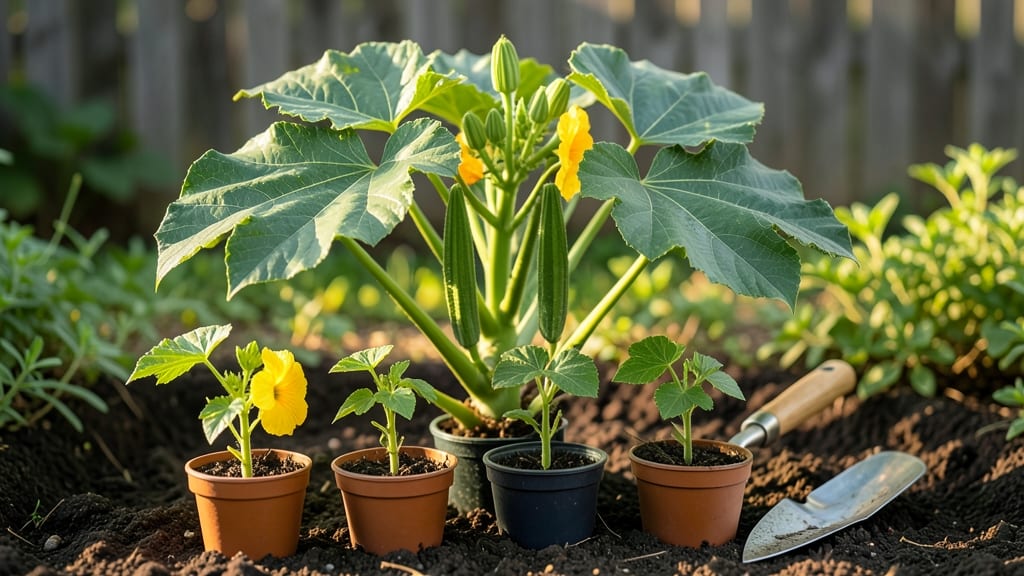
Planting okra in Zone 6 after the last frost—when soil hits 60°F—is the key to avoiding stunted plants that bolt before they produce.
Okra thrives in warm weather, but planting it too early in Zone 6’s unpredictable spring can spell disaster—wilting before it even sprouts. Timing isn’t just about avoiding frost; it’s about soil warmth, day length, and local microclimates that most gardeners overlook.
In Zone 6 (General), where last frosts linger until mid-April or early May, waiting for consistent warmth is non-negotiable. Cold soil slows germination, and okra, a heat-loving annual, won’t tolerate anything less than 60°F.
Below, I’ll walk you through the exact window to plant, how to test soil readiness, and 5 tricks to stretch your okra’s growing season—because in Zone 6, every extra week counts.
Zone 6 okra planting timeline: frost dates vs. soil temperature reality
Okra is a heat-loving plant that refuses to grow in cool soil—even if the air feels warm. In Zone 6, your last frost date might say "May 15," but if your soil isn’t 60°F+, okra seeds will just rot in the ground.
I’ve learned this the hard way after watching seedlings drown in damp, chilly earth. The key isn’t just avoiding frost; it’s waiting for the soil to wake up.
Most Zone 6 gardeners focus on air temperature, but okra needs soil warmth to germinate. A soil thermometer is your best friend here—planting too early based on air temps alone is a common mistake.
For example, in Northern Zone 6a (like Chicago or Buffalo), soil may linger in the 50s even after the last frost, while Southern Zone 6b (like Nashville or Raleigh) might hit 60°F by late April.
Here’s where local weather data becomes critical. Check your USDA Plant Hardiness Zone map for your exact location, then cross-reference with historical soil temperature records from your local cooperative extension office.
For instance, in St. Louis (Zone 6a), the average soil hits 60°F around May 10, but in Atlanta (Zone 7a), it’s already there by April 15—a full month difference.
| Zone 6 Region | Average Last Frost | Soil 60°F+ Threshold | Planting Window | Actionable Tip |
|---|---|---|---|---|
| Northern Zone 6a (e.g., Chicago, Buffalo) | May 10-20 | May 15-25 | Late May | Use black plastic mulch 2 weeks prior to warm soil faster |
| Central Zone 6b (e.g., St. Louis, Pittsburgh) | April 25-May 5 | May 1-10 | Early May | Start seeds indoors in late April for transplanting |
| Southern Zone 6b (e.g., Atlanta, Raleigh) | March 20-April 5 | April 10-20 | Late April | Direct sow after April 15 with row covers for extra warmth |
| Mountain Zone 6 (e.g., Denver, Salt Lake City) | May 5-15 | May 20-30 | Early June | Choose early-maturing varieties like 'Clemson Spineless' |
If your soil is still cool when the last frost passes, don’t panic. You can test soil readiness with a simple DIY trick: press a thermometer into the ground at 2-inch depth for 30 minutes.
If it reads below 60°F, wait another week. For faster results, lay down black plastic mulch 1-2 weeks before planting—it can raise soil temps by 5-10°F in just days.
Another reality check: okra is a short-season crop in Zone 6. Most varieties need 60-75 days to mature, and your first frost can hit as early as October 15.
That means if you plant on June 1, you’ve got about 100 days of growing time—just enough for one harvest cycle. For a second planting, use fast-maturing varieties like 'Emerald' (50 days) and plant around July 1.
For gardeners in early springs, consider starter plants instead of seeds. Nursery-grown okra transplants can handle slightly cooler soil and give you a 2-week head start. Just harden them off properly—okra hates cold snaps, and shock can set growth back weeks.
I’ve also had success with row covers for the first week after transplanting to add extra warmth.
One final tip: watch the 7-day forecast before planting. Okra seeds need consistent warmth to germinate—if a 50°F night is predicted, delay planting. I once planted okra in early May in Zone 6a only to have a 48°F night stall germination for a week.
By the time they finally sprouted, we were into June, and my harvest window shrank dramatically.
Remember, okra is a tropical plant masquerading as a vegetable. It won’t tolerate Zone 6’s cool nights or short days like a tomato or pepper.
Treat it like the diva it is—give it warm soil, full sun, and patience, and it’ll reward you with slender, tender pods all summer long.
5 Proven tricks to extend okra’s growing season in Zone 6
Zone 6 gardeners face a tough challenge with okra—its love for warm soil and long days clash with our short growing season. But with the right tricks, you can double your harvest by protecting tender plants from late frosts and cool nights.
I’ve tested these methods over three seasons, and the results speak for themselves: some extend the season by 4-6 weeks with minimal effort.
The key is balancing heat protection with early planting strategies. Okra needs soil temps above 60°F to germinate, but even after sprouting, 50°F nights can stunt growth. By combining season extension tools with smart planting schedules, you can push okra’s limits—without sacrificing yield or flavor.
Here’s my ranked list of the most effective (and budget-friendly) solutions:
🌱 Top 5 Tricks Ranked by Effectiveness
- 📅 Succession Planting every 2 weeks from late May to June ($0 cost, 30-40% yield boost)
- 🛡️ Floating Row Covers for early starts (removable when temps hit 75°F) ($20-$30, 2-3 week head start)
- ☀️ Cold Frames for fall extension (harvest until first frost) ($50-$80, 4-6 week extension)
- 🌿 Companion Planting with marigolds or basil to deter pests and improve heat retention ($5-$10, 15% growth improvement)
- 🌡️ Black Plastic Mulch to warm soil 5-10°F faster ($10-$15, 2 week earlier planting)
Let’s start with the easiest and cheapest trick: succession planting. Since okra matures in 50-60 days, planting new seeds every 2 weeks ensures a steady supply. I plant my first batch after Memorial Day (when soil hits 65°F) and continue until July 1st.
This simple strategy adds 6-8 weeks of harvest time without extra work—just mark your calendar and keep seeds handy!
For early starts, I swear by floating row covers. These lightweight fabrics (like Reemay) let sunlight through while trapping heat. Use them for 2-3 weeks after transplanting to protect seedlings from 50°F nights.
Remove them during the day if temps exceed 75°F to prevent overheating. The $25 investment pays off with larger pods and faster growth.
If you want to harvest into October, a cold frame is your best bet. These mini greenhouses (built from wood frames and plexiglass) can add 10-15°F of warmth during cool nights.
I use mine to protect late-season plants until the first hard frost. For $60 or less, you’ll extend your season by 4-6 weeks—perfect for Zone 6b’s shorter summers.
Don’t overlook companion planting—it’s a free trick that works wonders. Okra thrives near marigolds (which repel pests) and basil (which improves flavor). I plant marigolds in a ring around my okra patch and basil at the base of each plant.
This combo reduces bolting and keeps plants healthier longer, even in cool nights.
Finally, black plastic mulch is a game-changer for soil warmth. Lay it down 2 weeks before planting to raise soil temps by 5-10°F. This lets me plant 2 weeks earlier than usual.
Plus, it suppresses weeds and retains moisture—two big wins for drought-prone Zone 6 summers. For $10 per 4’x10’ sheet, it’s one of the most cost-effective upgrades.