
Plants
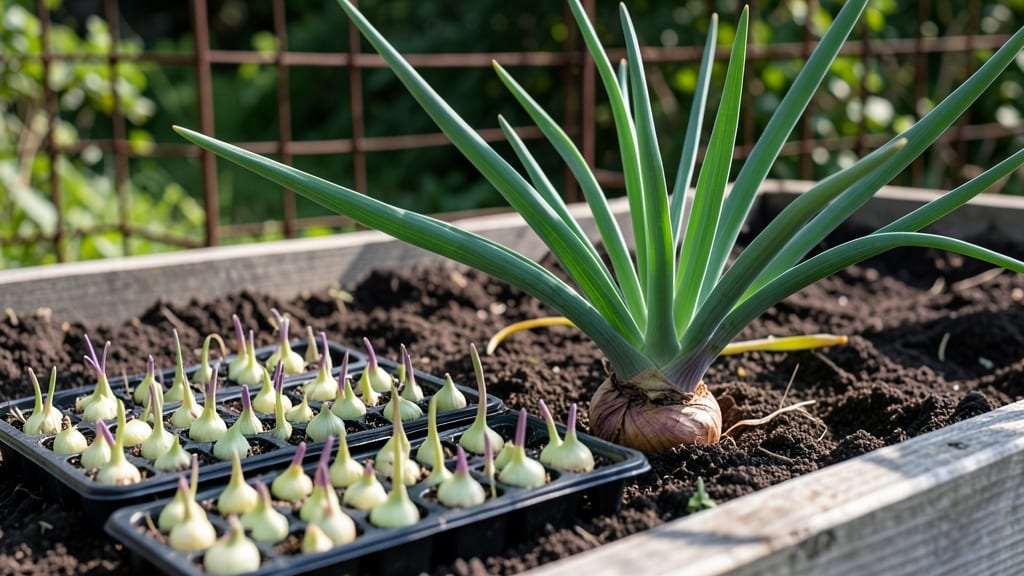
Planting onions in New Hampshire at the right time means the difference between sweet, plump bulbs and bitter, stunted failures — and the window is narrower than you think.
New Hampshire’s frost dates can shift by weeks from year to year, leaving gardeners guessing whether their 🧅 onions will bolt in the heat or rot in the cold. But with a few key adjustments, you can outsmart the climate and lock in a reliable harvest every season.
Spring plantings go in as early as mid-March, but fall onions need to hit the ground by mid-August to mature before winter. The trick? Start seeds indoors or harden off sets just right to avoid transplant shock in NH’s chilly soils.
Below, I break down the exact frost-free timeline for your zone, the best onion varieties for NH’s short season, and how to salvage late plantings if the weather turns on you.
New Hampshire onion planting calendar: frost dates & hardening off
New Hampshire’s USDA Zones 5b-6a create a tight window for growing onions—just 150 frost-free days per year. If you plant too early, late frosts will damage tender seedlings. Too late, and your bulbs won’t mature before winter.
The key? Strategic timing based on your onion type and frost dates that range from mid-April to early May for last frost, and mid-October to early November for first frost.
Onions fall into two categories in NH: short-day varieties (like 'Sweet Spanish') and intermediate-day types (such as 'Candy'). Short-day onions need 10-12 hours of daylight to bulb, while intermediate-day varieties tolerate 12-14 hours.
This difference means your planting schedule should adjust based on whether you’re growing for spring harvests or fall storage.
For spring onions, start seeds indoors 8-10 weeks before your last frost date (around February 15 for most of NH). Transplant 4-6 weeks before last frost (early to mid-April). For fall storage onions, plant sets or seeds 8-10 weeks before first frost (late July to early August).
| Stage | Action | Timing (NH) | Notes |
|---|---|---|---|
| Indoor Seed Start | Sow seeds | Feb 15 - Mar 1 | Use grow lights; 65°F soil |
| Transplant Seedlings | Move outdoors | Apr 1 - Apr 15 | After hardening off |
| Plant Sets (Spring) | Direct sow | Mar 20 - Apr 30 | Soil 50°F+ |
| Plant Sets (Fall) | Direct sow | Aug 1 - Sep 15 | 8-10 wks before frost |
| Hardening Off | Acclimate seedlings | 3-4 weeks before transplant | Gradual exposure to outdoors |
Hardening off is critical in NH’s unpredictable spring weather. Start 3-4 weeks before transplanting by placing seedlings outdoors in partial shade for 2-3 hours daily.
Gradually increase exposure to full sun and wind over 10-14 days. Skip this step, and your seedlings will suffer transplant shock from sudden temperature swings.
For spring onions, aim to have transplants in the ground by April 15 to avoid late frosts. Use row covers if nights dip below 28°F.
For fall storage onions, plant by September 1 to ensure bulbs mature before winter. Choose varieties like 'Texas Early White' that tolerate cooler soils.
NH’s short growing season demands efficiency. Space onion sets 4-6 inches apart in rows 12-18 inches apart to maximize sunlight. Use black plastic mulch in early spring to warm soil faster and extend the season. Remove mulch once soil reaches 50°F to prevent overheating.
Monitor your garden closely in May and June. Onions need consistent moisture—about 1 inch per week—but avoid waterlogging, which causes rot. Drip irrigation works best in NH’s variable rainfall. Watch for onion thrips; use floating row covers early in the season to deter pests.
If you miss the spring window, don’t despair! Plant green onions or scallions as late as June 1 for a quick harvest. These tolerate cooler soils and shorter days. For storage onions, a late August planting can still yield bulbs ready by October if cured properly.
Remember: Timing is everything in NH’s climate. Use this calendar as your guide, but always check your local NH Agricultural Experiment Station frost dates for the most accurate predictions. With the right schedule, you’ll enjoy homegrown onions from June through November—no bitter disappointment here! 🧅
Best onion varieties for New Hampshire’s climate & how to adapt
New Hampshire’s short growing season demands onion varieties that mature quickly and tolerate cool temperatures. The Sweet Spanish onion thrives here—its mild flavor and 60-day maturity make it ideal for NH’s USDA Zone 5b-6a.
For storage onions, Texas Early White is a top pick, maturing in 90 days and storing well through winter.
If you love shallots, try the 'Candy' variety, which adapts beautifully to NH’s climate and produces delicate, sweet bulbs. These varieties all share one key trait: they’re intermediate-day onions, meaning they don’t need long daylight hours to bulb up—perfect for NH’s variable spring weather.
Pro Tip: For a continuous harvest, plant half your onions in early spring (March-April) and the other half in late summer (August-September). This staggered approach ensures fresh onions from June through October.
Spring Planting (March-April) vs. Fall Planting (August-September)
Spring Planting
- Pros: Early harvest (June-July), great for fresh eating
- Cons: Shorter storage life, risk of late frost damage
Fall Planting
- Pros: Longer storage (up to 6 months), avoids bolting from heat
- Cons: Later harvest (October-November), needs curing time
NH-Specific Tip: Use row covers for spring plantings to protect from late frosts (common in May).
To adapt to NH’s climate, harden off seedlings for 10-14 days before transplanting. This acclimation process prevents shock from temperature swings common in spring. For fall plantings, choose shorter-day varieties like 'Red Baron' to avoid premature bolting.
Store harvested onions in a cool, dry place (50-60°F) with good airflow. Braid dried tops and hang them or store in mesh bags to prevent rot. NH’s humid summers mean proper curing is critical—let bulbs dry in the sun for 2-3 weeks before storing.
For container gardening, opt for short varieties like 'Everlasting' (great for pots) and use well-draining soil to prevent root rot. NH’s clay-heavy soils often need amendments—mix in compost to improve drainage and fertility.
Experiment with green onions too! They’re fast-growing (40 days) and perfect for cut-and-come-again harvesting. Plant them every 2 weeks for a continuous supply all season. 🌱