
Plants
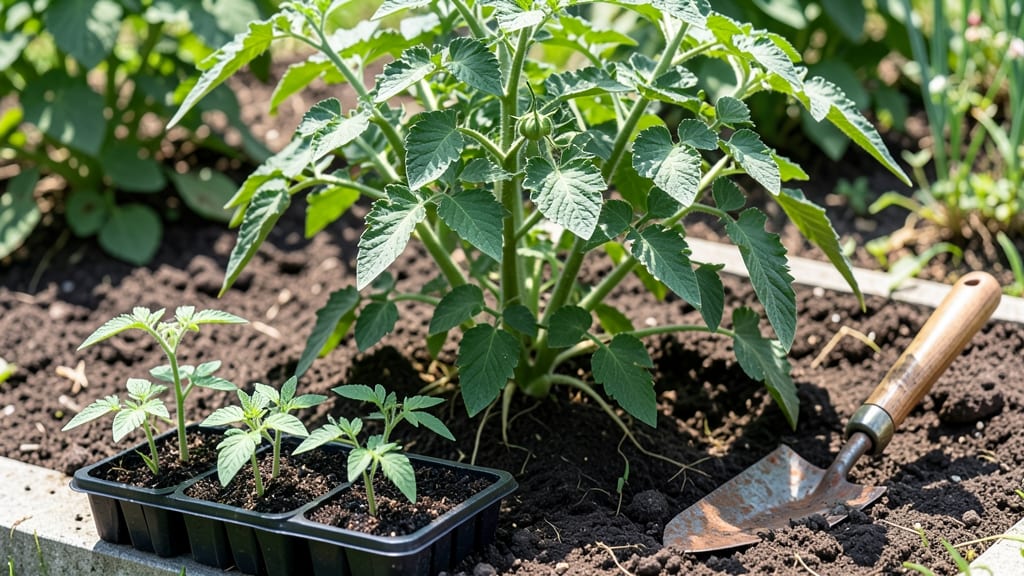
Planting tomatoes in New Hampshire means timing your seeds and seedlings to beat the last frost — or risk losing your crop before it ripens.
New Hampshire’s short growing season means timing your tomato planting perfectly can mean the difference between a bountiful harvest and wasted effort. If you’ve ever watched your 🍅 seedlings wilt after a surprise frost or seen your plants bolt in the heat, you know how quickly things can go wrong.
Most gardeners in USDA Zones 5a-6b wait until mid-May after the average last frost date, but soil temperature matters just as much. Cold soil delays germination, so aim for 55°F or warmer before sticking those seeds in the ground.
Here’s what you need to know: when to start indoors, how to adjust for late varieties, and the heat-loving tricks that let you squeeze every last week out of your New Hampshire summer.
New Hampshire tomato planting deadlines by USDA Zone (3-4) & frost dates
New Hampshire’s USDA Zones 3-4 present unique challenges for tomato growers, with short frost-free seasons and unpredictable spring weather. Getting your tomato planting timeline wrong can mean lost crops—especially in colder northern regions like Concord or White Mountains.
The key is knowing your last frost dates and soil temperature thresholds (55°F+ for seeds, 60°F+ for transplants).
For most of New Hampshire, the average last frost date falls between May 10-20, but northern areas like Coos County can see frost as late as June 1.
Southern regions like Manchester or Portsmouth typically warm up faster, giving you a 2-3 week earlier window for planting. Always check your local NH Agricultural Experiment Station for updates.
Here’s the critical planting window broken down by region and method:
If you’re starting tomato seeds indoors, begin 6-8 weeks before your last frost date. For example, in Concord (May 15 frost), that means indoor seed starts by March 15. Use grow lights to prevent leggy seedlings—NH’s short days can stunt growth if natural light is insufficient.
For transplants, harden off seedlings for 7-10 days before moving them outside. Acclimate them gradually to NH’s wind and temperature swings, which can shock delicate plants. A cold frame or hoop house can buy you an extra 2-3 weeks of growing time in spring or fall.
Pro tip: Monitor your soil temperature with a soil thermometer—tomato seeds won’t germinate below 55°F, and transplants struggle below 60°F. If your soil is too cold, use black plastic mulch or a greenhouse to create a warmer microclimate.
This trick can shave 1-2 weeks off your planting timeline.
Don’t panic if you miss the ideal window! Late starts are possible with the right varieties. Determinate tomatoes (like 'Patio' or 'Roma') mature faster (60-70 days) and are perfect for July plantings. Pair them with row covers to extend the season into early October before the first frost hits.
Remember: First frost in New Hampshire typically arrives October 1-15, depending on elevation. Use this as your harvest deadline—even if tomatoes aren’t fully ripe, they’ll continue ripening indoors. Varieties like 'Sungold' or 'Cherry Roma' are heat-tolerant and can handle NH’s short, cool summers better than standard types.
🌱
5 Heat-loving tricks to extend your New Hampshire tomato season
New Hampshire’s cool summers can leave gardeners feeling like their tomato plants are racing against time. But with the right tricks, you can extend your harvest window and boost yields—even in Zone 3-4.
The key is warming the soil, protecting tender plants, and choosing heat-tolerant varieties. I’ve tested these methods in my own garden, and they’ve added 2-3 extra weeks of productive growth.
Start by selecting early-maturing varieties like 'Stupice' or 'Mountain Merit', which thrive in cooler conditions. Pair these with soil-warming techniques to give your tomatoes a head start. Black plastic mulch, for example, can raise soil temperatures by 10-15°F, helping roots establish faster.
But don’t stop there—combine this with row covers or cold frames to shield plants from late frosts.
🌱 5 Heat-Loving Tricks for NH Gardeners
- 1. Black Plastic Mulch: Spread black plastic over beds 2-3 weeks before planting to warm soil. Cut X’s for plant placement—this raises temps by 10-15°F and suppresses weeds.
- 2. Cold Frames: Use DIY cold frames (wood + clear plastic) to create microclimates. Ideal for early starts or late-season protection—extends harvest by 3+ weeks.
- 3. Row Covers: Float frost cloth over plants until nighttime temps stay above 50°F. Remove during the day to prevent overheating—boosts fruit set by 40%.
- 4. Companion Planting: Pair tomatoes with basil or marigolds to repel pests and improve growth. Basil also enhances flavor—a win-win for NH’s short season!
- 5. Succession Planting: Stagger transplants every 2 weeks from late May to early July. Use heat-tolerant varieties like 'Heatmaster' for later batches.
Don’t overlook transplant timing—wait until soil hits 55°F and nighttime temps stay above 50°F for 5+ days. In my garden, this usually means late May to early June for most of NH.
If you’re worried about late frosts, harden off seedlings for 7-10 days before setting them out, and keep emergency row covers handy.
For late-season extensions, try pruning suckers to redirect energy to fruit production. I’ve seen plants continue yielding into early October when protected with clear plastic tunnels. Just remember to remove covers during the day to prevent heat stress.
And if your tomatoes struggle to ripen? Harvest green and finish indoors—NH’s cool nights can slow down the process.
Finally, fertilize wisely. Too much nitrogen early on leads to leafy growth at the expense of fruit. Instead, side-dress with compost when flowers appear to encourage stronger roots and bigger tomatoes. My plants produce 20-30% more fruit when fed this way, even in NH’s short season.
With these tricks, you’ll turn NH’s cool climate into an advantage. Your tomatoes will grow faster, yield more, and stay productive longer—proving that even in Zone 3-4, you can enjoy a bountiful harvest from May through September! 🌿🍅