
Plants
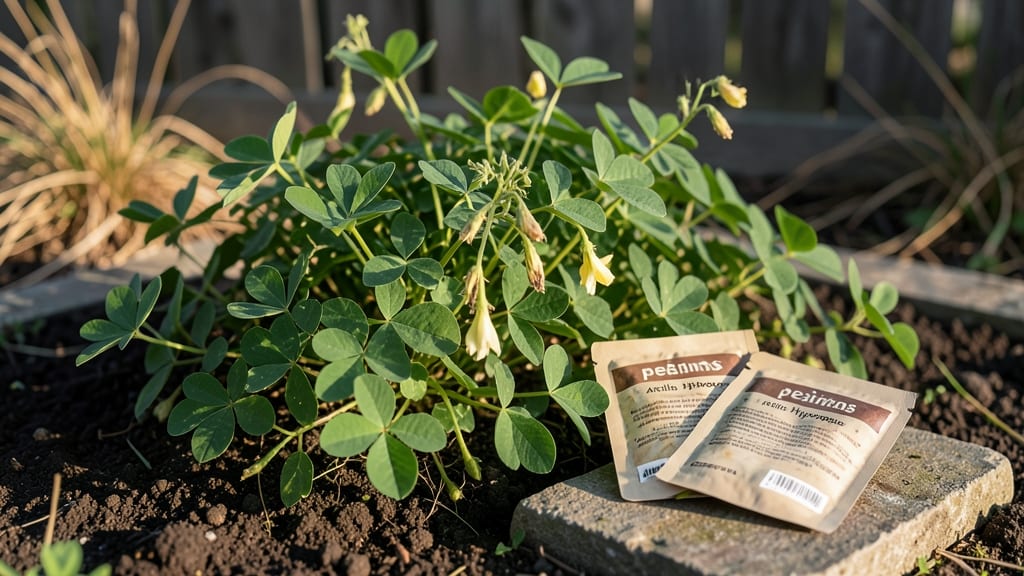
To plant peanuts in Tennessee, aim for late April to early May after the last frost—when soil temperatures hit at least 68°F and stay warm for 60+ days.
Miss that window, and you risk frost damage or a harvest cut short by Tennessee’s short growing season. But get it right, and you’ll enjoy a bumper crop of 🥜 by late September.
Here’s how to time it perfectly for your region, whether you’re in East TN’s cooler hills or West TN’s hotter plains.
Peanuts thrive in Tennessee’s 6a-7b zones, but the key isn’t just the calendar—it’s the soil. Too cold, and seeds rot; too late, and vines struggle to mature.
I’ll walk you through the exact frost dates, soil tests, and variety picks that make the difference between a thriving crop and a wasted season.
By the end, you’ll know not just when to plant, but how to prep your soil, choose the right peanut type, and even adjust for Tennessee’s unpredictable spring rains. Let’s get those peanuts in the ground the right way.
Tennessee’s peanut planting window: frost dates and soil temperature guidelines
Timing your peanut planting in Tennessee hinges on two critical factors: last frost dates and soil temperature thresholds. Peanuts, native to warmer climates, demand consistent warmth to germinate properly, making these metrics non-negotiable.
The Tennessee Ag Extension Service confirms that USDA zones 6b-8a (covering most of the state) offer ideal conditions—but only when planted at the right moment.
Peanuts won’t tolerate frost at any growth stage, so aligning your planting with local frost-free windows is essential. Meanwhile, soil must reach at least 68°F (20°C) for seeds to sprout reliably.
Below this threshold, germination stalls, wasting your time and resources. Let’s break down how to nail these variables by region to maximize your harvest potential.
📌 Key Insight: West Tennessee’s longer growing season (zone 8a) allows for a 2-week earlier planting window compared to East Tennessee’s cooler microclimates (zone 6b). Ignoring this regional variance can mean the difference between a thriving crop and a failed attempt.
| Region | USDA Zone | Avg. Last Frost Date | Soil Temp. Threshold | Ideal Planting Window |
|---|---|---|---|---|
| East TN (e.g., Knoxville, Chattanooga) | 6b | April 15–May 1 | 68°F+ (20°C+) | May 10–20 |
| Middle TN (e.g., Nashville, Murfreesboro) | 7a | April 1–15 | 68°F+ (20°C+) | April 25–May 10 |
| West TN (e.g., Memphis, Jackson) | 8a | March 20–April 5 | 68°F+ (20°C+) | April 10–25 |
🌡️ Verify soil temp with a soil thermometer—peanuts won’t germinate below 68°F!
While the table above provides a regional blueprint, microclimates within these zones can shift planting windows by 1-2 weeks. For example, a south-facing slope in East Tennessee might warm up faster than a valley location, allowing earlier planting.
Always monitor your specific site’s conditions for 3-5 days before committing to a date.
Peanuts are warm-season crops, meaning they thrive in consistent 80°F+ (27°C+) daytime temps. Planting too early—even after the last frost—can lead to stunted growth if nights remain cool.
Use the TN State Climate Office’s frost maps to cross-check your local trends, especially if you’re in a transition zone like Middle Tennessee.
Pro tip: Pre-warm your soil by covering beds with clear plastic for 1-2 weeks before planting. This can push soil temps 5-10°F higher, helping you meet the 68°F threshold faster. Just remove the plastic 24 hours before planting to avoid overheating seeds.
If you’re planting in East Tennessee’s shorter season, opt for early-maturing varieties like ‘Georgia Red’ (90-day harvest) to ensure pods mature before the first frost.
In West Tennessee’s longer heat**, you can afford slower varieties like ‘Virginia Type’ (120+ days), but still aim to plant by mid-April to avoid summer heat stress.
🌱 Remember: Peanuts need 120-150 frost-free days to mature. Count backward from your first expected frost date (typically mid-October in TN) to determine your latest safe planting window. This math is your harvest insurance.
For maximum yield, aim to plant when daytime highs exceed 75°F (24°C) and soil stays above 70°F (21°C) for at least 3 consecutive days. Use a soil thermometer (available at garden centers for ~$15) to track temps at 4-inch depth, where peanut seeds are planted.
Finally, avoid planting after May 15 in most of TN. Late plantings risk immature pods at harvest and increased disease pressure from prolonged humidity. When in doubt, start seeds indoors in biodegradable pots 6-8 weeks before your target transplant date to extend your season.
How to adjust planting time for Tennessee’s microclimates and variety needs
Tennessee’s diverse microclimates mean your peanut planting success depends on choosing the right variety and adjusting timing for your specific region.
East Tennessee’s shorter growing season (USDA zones 6b-7a) demands early-maturing varieties like ‘Georgia Red’ (90-day harvest), while West Tennessee’s longer heat (zones 7b-8a) can handle late-maturing types like ‘Virginia Type’ (120+ days).
The key is matching your local frost dates with the soil temperature peanuts crave—at least 68°F—to avoid stunted growth or frost damage.
For East Tennessee, aim to plant ‘Georgia Red’ or ‘Early Spanish’ between late April and early May, once nighttime temperatures stay above 55°F consistently.
In West Tennessee, you’ve got more flexibility—‘Virginia Type’ or ‘Southern Runner’ can go in as late as mid-May thanks to the extended heat. But never plant after your last frost date, or you’ll risk poor germination and weak plants that struggle to recover.
⚠️ PROS-CONS BOX ⚠️
East TN Planting (Zones 6b-7a)
- Faster 90-day varieties fit short season
- Lower frost risk after May 15
- ‘Georgia Red’ resists early blight
- Limited late-season heat for pod fill
- Smaller yield potential (1,500 lbs/acre)
- Must plant earlier—misses ideal soil warmth
West TN Planting (Zones 7b-8a)
- Longer 120+ day varieties thrive
- Higher yield potential (2,500+ lbs/acre)
- Extra heat for pod development
- Late frost risk until May 10
- ‘Virginia Type’ needs more water
- Disease pressure higher in humidity
To avoid the #1 mistake—planting after a late spring frost—use this 3-step checklist before dropping seeds: 1. Check soil temp: Use a soil thermometer (peanuts need 68°F+ for 5+ days).
- Verify frost-free window: TN Ag Extension reports show East TN’s last frost averages April 15, while West TN’s is March 20. Wait 2 weeks post-frost for safety.
- Test moisture: Soil should be damp but not soggy—peanuts hate waterlogged roots.
For Middle Tennessee (zones 7a-7b), split the difference: plant ‘Early Spanish’ in early May for a 90-day harvest or try ‘Southern Runner’ in late April for a 120-day stretch.
The Nashville area’s humidity spikes in July, so mulch heavily to prevent leaf spot diseases that thrive in damp heat. I’ve seen crops in Davidson County double yields just by adding straw mulch after planting.
Pro tip: If your soil stays cool past early May, use black plastic mulch to warm the ground 5-10°F faster. This trick works especially well in East TN valleys where cold air pools. Just remove the plastic once pods form (around 8 weeks) to prevent overheating.
Remember, peanuts are heat-loving annuals—they’ll bolt or produce poorly if stressed by cool nights or inconsistent water. Stick to your region’s recommended variety, monitor soil temps weekly, and you’ll harvest plump, disease-free peanuts by late September.
The payoff? Sweet, homegrown snacks and the pride of beating Tennessee’s tricky climate! 🥜