
Plants
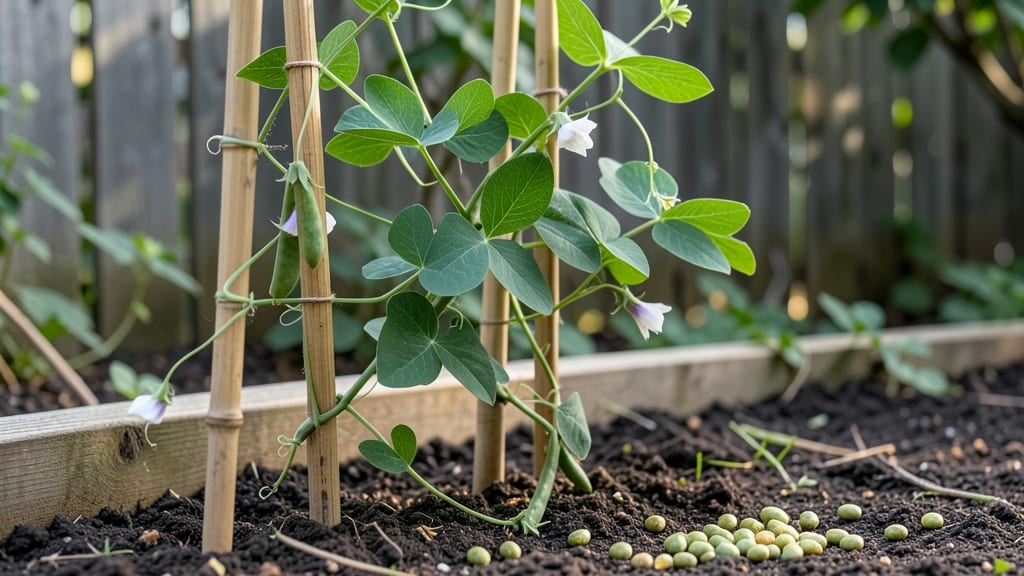
Plant peas in Kentucky about 4-6 weeks before your last spring frost — typically by mid-March for most of the state — to catch the sweetest harvest window.
Timing is everything when growing peas in Kentucky’s unpredictable climate—plant too early and risk frost damage, too late and miss the sweetest harvest window. Get your planting schedule right to enjoy crisp, flavorful peas straight from your garden.
Kentucky’s USDA Zones 6a-7a mean you’ve got two chances a year: early spring for the main crop and late summer for a fall harvest. But those 165 frost-free days fly by, so knowing the exact window keeps your garden productive.
Below, I’ll break down the best planting dates for your region, the cold-hardy varieties that thrive in Kentucky’s chill, and how to stretch your growing season with simple tricks.
Kentucky’s frost-free planting zones for peas: when to start seeds
Kentucky’s USDA Zones 6a-7a create a unique challenge for pea growers—cool springs and warm summers demand precise timing to avoid frost damage while maximizing harvests. Unlike heat-loving crops, peas thrive in cooler temperatures (40-75°F) but bolt when summer heat arrives.
My experience shows that planting too early risks frost-killed seedlings, while waiting too long means missing the sweetest spring harvest.
The key is understanding Kentucky’s microclimates. Northern regions (like Zone 6a) have later last-frost dates (around April 15), while southern areas (Zone 7a) can start as early as March 15.
Even within these zones, valleys and higher elevations can experience 2-3 weeks of delayed warming. Always check your local Almanac’s frost dates for precision.
For most of Kentucky, the optimal frost-free window for peas spans March 15 to April 30 for spring plantings and August 15 to September 15 for fall varieties. This timeline ensures peas mature before summer heat sets in or winter frosts arrive.
I’ve found that early varieties (50-60 days to harvest) work best in northern Kentucky, while medium-maturity types (60-70 days) suit southern regions.
Soil temperature is just as critical as air temperature. Pea seeds won’t germinate below 40°F, and ideal germination occurs between 50-70°F. In Kentucky, this typically means waiting until soil warms to 50°F at 2-inch depth.
Use a soil thermometer—don’t guess! I’ve seen many gardeners rush planting in March only to watch their seeds rot in cold, wet soil.
| Zone & Region | Last Frost Date | Optimal Planting Window | Soil Temp for Germination | Variety Recommendation |
|---|---|---|---|---|
| Zone 6a (Northern KY) | April 15 | April 1-15 | 50-60°F | Early varieties (e.g., Sugar Ann) |
| Zone 6b (Central KY) | April 1 | March 20-April 10 | 45-55°F | Medium-early (e.g., Green Arrow) |
| Zone 7a (Southern KY) | March 15 | March 1-March 25 | 50-65°F | Early to medium (e.g., Wando) |
| All Zones (Fall Planting) | November 15 | August 15-September 15 | 60-70°F | Heat-tolerant (e.g., Oregon Sugar Pod) |
If you’re planting in late winter (February), focus on cold-hardy varieties like Sugar Snap or Telephone, which can tolerate light frosts. These varieties are perfect for early sowings under row covers to extend your growing season.
I’ve successfully grown peas as early as February 15 in Zone 7a using floating row covers, but this requires vigilance against late frosts.
For fall plantings, aim for August 15-September 15 to ensure peas mature before the first frost. Choose heat-tolerant varieties like Oregon Sugar Pod or Tom Thumb, which can handle summer’s residual heat better than standard types.
Fall peas often produce sweeter pods because they grow slower in cooler temperatures, avoiding the bitterness that comes with summer heat.
Pro tip: Use succession planting every 2 weeks from March through April to stagger harvests. This ensures a continuous supply of fresh peas and reduces the risk of losing your entire crop to pests or weather.
I’ve found that 3-4 plantings spaced 2 weeks apart give me peas from May through July—a harvest window I couldn’t get with a single planting.
Don’t forget that microclimates matter. South-facing slopes warm up faster than north-facing gardens, and urban areas can be 5-10°F warmer
Best pea varieties for Kentucky gardens & their planting timelines
Kentucky gardeners have plenty of pea varieties to choose from, but selecting the right type depends on your planting timeline and taste preferences. Snap peas, snow peas, and shelling peas each thrive in Kentucky’s climate, but their optimal planting windows differ.
Cold-hardy varieties like Sugar Ann snap peas can handle early spring plantings, while heat-tolerant options like Oregon Sugar Pod II work for late summer sowings.
Understanding frost dates and soil temperatures is key—Kentucky’s last frost typically occurs around March 15, giving you a 165-day frost-free season. Early plantings should happen 4-6 weeks before the last frost, while late plantings can extend into August for fall harvests.
Let’s compare the best varieties and their ideal planting windows to maximize your harvest.
| Variety | Type | Best Planting Window | Days to Maturity | Cold Tolerance |
|---|---|---|---|---|
| Sugar Ann | Snap | Early spring (Feb-March) | 55-65 days | High |
| Oregon Sugar Pod II | Snap | Late summer (August-Sept) | 60-70 days | Moderate |
| Wando | Shelling | Early spring (March-April) | 60-70 days | High |
| Oregon Sugar Pod II | Snow | Late spring (April-May) | 60-70 days | Moderate |
| Tom Thumb | Shelling | Early spring or fall (Sept) | 55-65 days | High |
For early spring plantings, prioritize cold-hardy varieties like Sugar Ann or Wando, which can handle Kentucky’s chilly nights.
These varieties thrive when planted 4-6 weeks before the last frost date, giving you an early harvest by late May. Tom Thumb, a dwarf shelling pea, is another excellent choice for small gardens or containers.
If you prefer late-season harvests, consider heat-tolerant varieties like Oregon Sugar Pod II snap or snow peas. Plant these in late summer (August) for a fall harvest before the first frost hits. These varieties handle Kentucky’s warm September temperatures better than traditional spring peas, extending your harvest window.
Don’t overlook succession planting—sow new seeds every 2 weeks in early spring for a continuous harvest. This works especially well with snap peas, which mature quickly.
For fall plantings, stick to varieties like Tom Thumb that can tolerate cooler temperatures and still produce sweet pods before winter sets in.
Pro tip: Use trellises or stakes to support climbing varieties like Oregon Sugar Pod II, saving space and improving air circulation. This also helps prevent disease issues common in Kentucky’s humid climate. With the right variety and timing, you’ll enjoy fresh peas straight from your garden for months!