
Plants
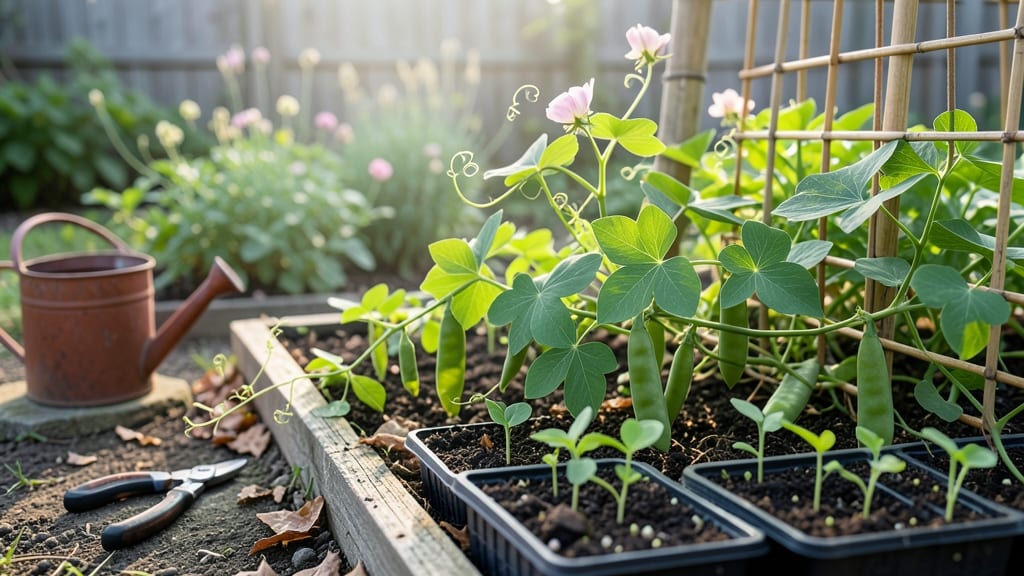
Plant sugar snap peas in Zone 9 between October and November or February and March to beat the heat and get a crisp harvest.
Sugar snap peas thrive in cooler weather, but Zone 9’s relentless heat can turn your garden dreams into a wilting disaster—unless you plant at the perfect time. The key is timing: fall planting lets them mature before summer arrives, while spring starts avoid the worst of the midday sun.
Here’s the secret: shade cloth and morning watering can stretch your harvest by weeks, even in Phoenix or Southern California. I’ve grown them in 9b for years, and the difference between a 3-month harvest and a 6-week struggle comes down to these simple tricks.
You’ll learn how to pick the right variety, prep soil for heat resistance, and use companion plants to keep pests off—so your peas stay sweet and your garden stays productive, no matter how hot it gets.
Best planting times for sugar snap peas in Zone 9’s heat
Zone 9’s scorching summers make sugar snap peas a tricky crop—but with the right timing, you can enjoy crisp harvests all year. These cool-season plants despise temperatures above 80°F, so planting during fall and early spring is key.
The secret? Start seeds when soil temps drop below 75°F and days stay mild.
Most gardeners in Zone 9 skip summer planting entirely. Instead, focus on October-November for fall crops or February-March for spring. This timing aligns with natural cooling trends and avoids the brutal 100°F+ heat waves that fry young seedlings.
| Planting Window | Ideal Soil Temp | Air Temp Range | Harvest Window | Notes |
|---|---|---|---|---|
| Late September - October | 65-75°F | 70-80°F | December - March | Best for fall harvests; use shade cloth if temps rise |
| February - March | 60-70°F | 65-75°F | April - June | Avoid planting after March 15 if heat arrives early |
| August (shaded areas only) | 70-75°F | Below 85°F | September - October | High-risk; only attempt with heavy mulch and shade |
For the most reliable results, aim for October planting—this gives vines time to establish before winter rains arrive. In coastal Zone 9 areas (like San Diego), you can push planting into November, but inland regions (like Phoenix) should finish by mid-October to avoid heat stress.
Succession planting works wonders in Zone 9. Sow seeds every 2-3 weeks from October through January to stretch your harvest. Just remember: each new batch needs 60-70 days to mature, so time your last planting to finish before summer heat sets in.
Microclimates play a huge role in Zone 9. If your garden sits in a hotter microclimate (like near pavement or dark fences), plant 2-3 weeks earlier than recommended. Conversely, shaded spots (under trees or against north-facing walls) can handle later plantings into December.
Never plant sugar snap peas when daytime temps exceed 85°F—they’ll bolt or develop bitter, stringy pods. Use a soil thermometer to confirm temps are safe before sowing. Most garden centers sell them for under $15, and they’re worth the investment.
Pro tip: Mix in compost before planting to improve soil moisture retention. Zone 9 soils dry out quickly, and sugar snap peas hate dry roots. Aim for 1-2 inches of compost per planting hole to keep roots cool and hydrated.
Watch for false starts—when seedlings emerge but then wilt in sudden heat. If this happens, cover young plants with row fabric during the hottest part of the day until they’re established. This simple trick can save your entire crop.
With the right timing, you’ll enjoy crisp, sweet pods from December through April—long after most Zone 9 gardeners have given up. The key is planting early enough to avoid heat stress while still catching the cooler months.
Once you master this, sugar snap peas will become your favorite Zone 9 crop! 🌱
How to beat Zone 9 heat: cool-season hacks for sugar snap peas
Zone 9’s scorching summers can turn sugar snap peas into a high-maintenance nightmare, but with the right strategies, you can grow crisp, sweet pods year-round. The key is creating a microclimate that mimics their ideal 60-75°F growing conditions while protecting them from afternoon heat.
I’ve learned that shade cloth, mulching, and strategic watering are non-negotiable for survival in this climate.
First, focus on heat-tolerant varieties like ‘Sugar Sprint’ or ‘Oregon Sugar Pod,’ which handle warmer temperatures better than traditional types. These varieties won’t bolt as quickly, giving you a longer harvest window.
Pair them with morning planting—sow seeds in the early morning hours when soil temps are cooler, and avoid afternoon heat stress from the get-go.
🌱 5 Heat-Beating Hacks for Sugar Snap Peas in Zone 9
- 1. Shade Cloth Shield: Use 30-50% shade cloth to block midday sun (10 AM–4 PM). Secure it 2-3 feet above plants to allow airflow.
- 2. Mulch Like a Pro: Apply 3-4 inches of straw mulch to retain moisture and cool soil. Replenish every 4-6 weeks.
- 3. Drip Irrigation Only: Water deeply at dawn (1-2 cups per plant) to avoid evaporation. Never water leaves to prevent fungal risks.
- 4. Companion Planting: Grow sugar snaps near radishes or lettuce—their shallow roots won’t compete, and they provide light shade.
- 5. Succession Plant Every 2 Weeks: Stagger plantings in fall (Oct-Nov) and early spring (Feb-Mar) for continuous harvests.
For irrigation, drip systems are your best friend. Overhead watering leads to fungal diseases like powdery mildew, which thrives in Zone 9’s humidity. Aim for consistent moisture—sugar snaps hate drying out, but soggy roots are just as deadly.
Test soil moisture daily: stick your finger 1 inch deep; if it’s dry, water immediately.
Don’t overlook soil prep, either. Amend your beds with compost and aged manure to improve water retention. In my Zone 9 garden, I mix in perlite to aerate the soil, which helps roots breathe during heatwaves.
A light feeding with 5-10-10 fertilizer at planting (and again in early spring) gives them the boost they need without burning tender vines.
If you’re planting in late summer or early fall, start seeds indoors under grow lights 4-6 weeks before transplanting. Harden them off gradually to avoid shock.
And here’s a pro tip: harvest in the morning when pods are coolest and crispiest. This not only improves flavor but also encourages more production.
With these tactics, I’ve extended my sugar snap harvest from 4 weeks to 3 months in Zone 9. The secret? Treating heat as an obstacle to outsmart, not overcome. Your peas will thank you with sweet, snappy pods all season long. 🌿